2026 Best Deck WPC Exterior Solutions for Global Buyers?
The global demand for outdoor living solutions is evolving. One standout option for 2026 is Deck Wpc Exterior. These composite materials blend wood and plastic, offering durability and aesthetic appeal. Buyers are increasingly drawn to their low maintenance and weather-resistant qualities. However, selecting the right product can be challenging.
Some options may not meet expectations in terms of lifespan or sustainability. It's essential to research brands that prioritize quality and eco-friendly practices. Consider the climate and usage when choosing Deck WPC Exterior solutions. The market is growing, but not every option is ideal for every region or application.
As consumers, questioning our choices can lead to better investments. Understanding the specifics of Deck WPC Exterior will empower buyers to make informed decisions. We should be aware of potential pitfalls in terms of price versus quality. Overall, careful selection can enhance outdoor spaces while aligning with personal values.
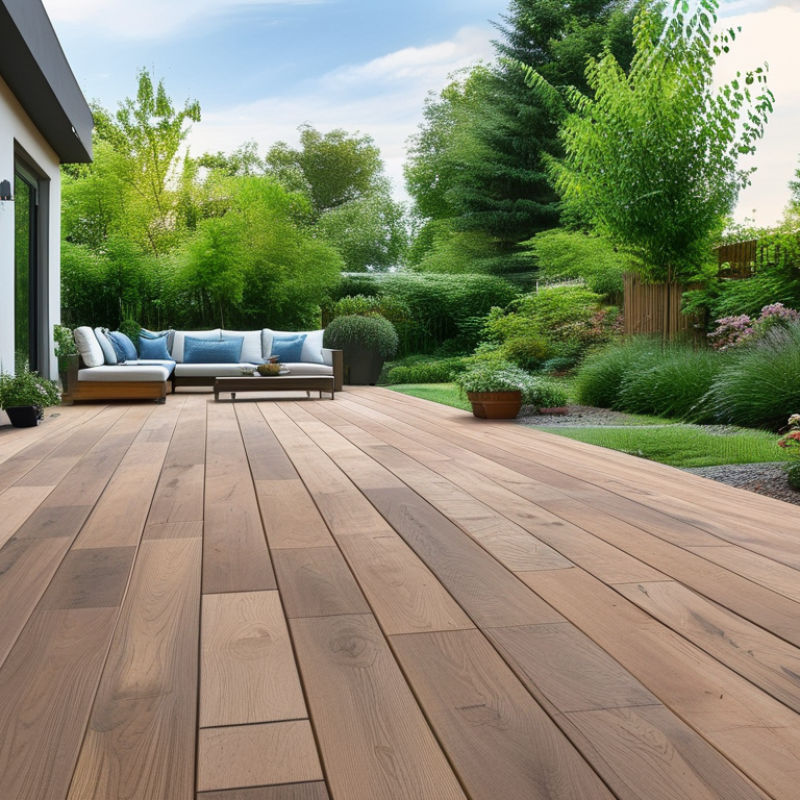
2026 Trends in Deck WPC Exterior Solutions for Global Buyers
The demand for WPC (Wood Plastic Composite) decking solutions is rapidly growing. In 2026, global buyers will see innovative designs and sustainable materials shaping the market. WPC offers durability and aesthetics, making it a preferred choice. Many homeowners are looking for eco-friendly options that require less maintenance.
When considering WPC for your deck, think about its lifespan. While it can resist weathering, not all products are created equal. Some may fade or warp over time. Always check user reviews and test samples before making a commitment.
Tips for choosing the right WPC decking include understanding climate suitability and installation requirements. Be aware of local trends and regulations, as they can influence your selection. Explore different textures and colors, as these can dramatically change your outdoor space. Remember, the quality of your choice will affect your long-term satisfaction. Investing in WPC needs careful consideration, as mistakes can be costly.
Key Benefits of WPC Decking Compared to Traditional Materials
WPC decking, made from wood and plastic composites, offers numerous advantages over traditional materials. One significant benefit is its durability. WPC is resistant to moisture, rot, and insects. This means less maintenance and longer lifespan, translating to savings over time. Many homeowners appreciate the reduced need for upkeep, allowing them to enjoy their decks without constant repairs.
Another vital aspect of WPC decking is its aesthetic appeal. The material can mimic the look of wood while offering a wider range of colors and textures. This versatility allows homeowners to find the perfect match for their outdoor spaces. Despite its advantages, some may worry about the initial cost. It is essential to weigh these concerns against potential long-term benefits.
Environmental considerations are also noteworthy. WPC is often made from recycled materials, making it a greener choice. However, not all WPC products are created equal. It's crucial to research and choose high-quality options that align with sustainability goals. The decision-making process can be daunting, but understanding these key benefits helps in making an informed choice.
Environmental Impact of WPC Decking: Sustainability Metrics and Data
WPC decking, made from wood and plastic composites, offers an eco-friendly alternative for outdoor spaces. Many buyers are drawn to its durability and low maintenance needs. However, understanding the environmental impact is crucial. WPC decking often uses recycled materials, reducing waste. Yet, how much waste is actually saved? It’s important to assess this sustainability claim.
Life cycle assessments often reveal mixed results. On one hand, WPC can decrease the need for traditional timber, helping to preserve forests. On the other, the production process consumes energy and can release pollutants. The transportation of materials also adds to the carbon footprint. In many cases, local sourcing could mitigate some of these impacts.
Sustainability metrics are not black and white. Buyers must consider end-of-life options for WPC. Can it be recycled effectively? What happens when it deteriorates? Consumers should seek transparent information on the production and disposal processes. Making informed decisions is essential for promoting true sustainability in WPC decking.
Market Analysis: Global Demand and Growth Projections for WPC Decking
The global demand for Wood Plastic Composite (WPC) decking is on the rise. As homeowners seek durable and eco-friendly options, WPC decking offers a compelling solution. Projections indicate significant growth in this market through 2026. Rising awareness of sustainability and aesthetic appeal are driving factors. Consumers value low maintenance and long-lasting materials.
Tips for choosing WPC decking: Consider your climate. Some WPC products perform better in extreme temperatures. Research the composition of the material, as not all WPC is created equal. Check the warranty and installation recommendations from reliable sources.
Market analysis shows a shift towards composite materials in outdoor living spaces. WPC decks reduce environmental impact while providing design versatility. However, some users find certain options less durable than expected. It’s essential to weigh the pros and cons carefully. Educate yourself on the types and applications of WPC to make an informed decision. Understanding local regulations regarding outdoor materials is also crucial for compliance and safety.
Top Manufacturers and Innovations in WPC Decking for 2026
As the demand for sustainable building materials grows, WPC decking has emerged as a popular choice for outdoor spaces. Manufacturers are focusing on creating innovative and durable solutions that meet the needs of global buyers. In 2026, eco-friendly materials blend with aesthetic design. The lightweight nature of WPC makes it easy to install, but its longevity remains a subject for discussion. Buyers often seek answers about durability and maintenance before making a decision.
Recent advancements in technology allow for enhanced weather resistance and color retention. Some manufacturers are adopting post-consumer recycled products, reducing environmental impact. However, not all companies fully disclose their material sources, which can lead to confusion. Buyers must research companies to ensure responsible practices. It's essential to ask about certifications and test results. Transparency can significantly influence purchasing decisions.
In addition to sustainability, aesthetics play a key role. New designs mimic natural wood without the associated upkeep. Yet, some variations in color and texture may not meet every buyer's expectations. As styles evolve, it becomes vital for buyers to evaluate their preferences. Understanding the balance between innovation and traditional appeal can help in making informed choices.