2026 Top Trends in Carton Packaging for Sustainable Solutions?
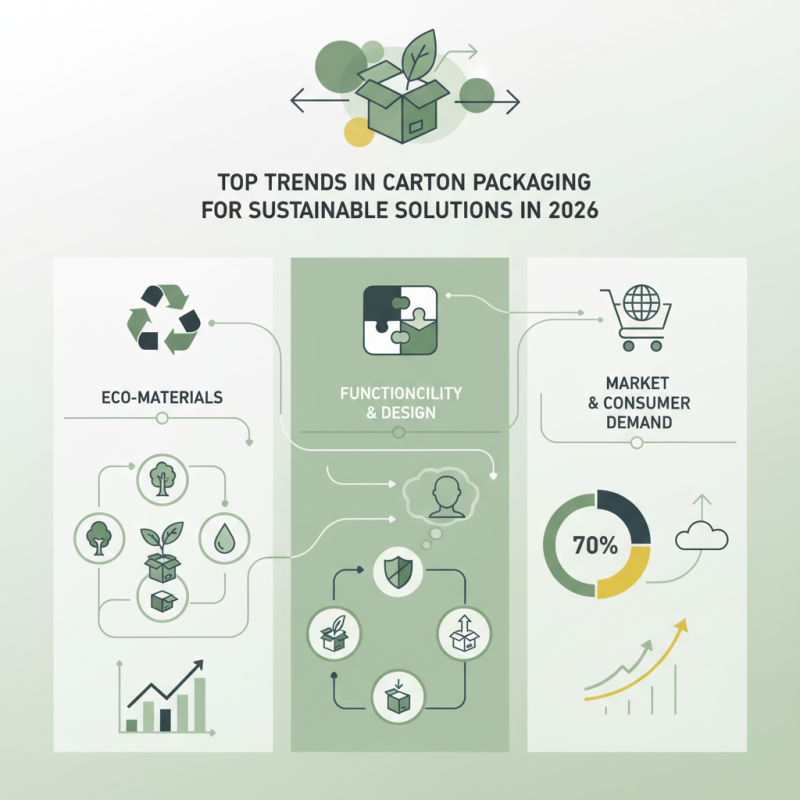
The rising demand for sustainable solutions in packaging has led to a significant evolution in carton packaging. According to a recent market report by Smithers Pira, the global market for sustainable packaging is projected to reach $500 billion by 2026. This emphasizes the growing importance of eco-friendly materials. Carton packaging, in particular, plays a pivotal role in this transformation, as it offers a renewable and recyclable alternative to plastic.
However, challenges remain. Many companies struggle with sourcing sustainable materials that meet both environmental standards and consumer expectations. Additionally, the process of designing carton packaging to ensure durability while remaining lightweight can be complex. A McKinsey report highlighted that 70% of consumers actively seek sustainable packaging options. This reflects a critical need for innovation in carton packaging solutions.
As we look ahead to 2026, the carton packaging industry must not only focus on sustainability but also on enhancing functionality and aesthetics. Balancing these priorities will be essential in capturing market share. Industry leaders need to reflect on their strategies, as the path forward is fraught with both opportunities and potential pitfalls.
Key Drivers of Sustainability in Carton Packaging for 2026
As we look toward 2026, sustainability in carton packaging is becoming increasingly crucial. Companies are shifting their focus to materials that minimize environmental impact. One major driver is the demand for recyclable materials. Consumers are leaning towards brands that prioritize eco-friendly packaging. Forgotten materials, like biodegradable options, are beginning to see a resurgence as well.
Another critical aspect is the production process. Innovative methods that reduce energy consumption are gaining attention. However, not all companies adopt these practices effectively. Some still rely on traditional methods, creating a gap in sustainability efforts. Organizations need to address these inconsistencies to stay relevant in the market.
Consumer education plays a vital role too. Many individuals are still unaware of the benefits of sustainable packaging. Communicating the importance of recyclable and biodegradable materials is essential. It may seem like a simple task, yet it presents challenges for brands. Enhancing awareness without overwhelming customers remains a complex endeavor.
Innovative Materials Revolutionizing Carton Packaging Solutions
Innovative materials are shaping the future of carton packaging. One notable trend is the use of plant-based fibers. These fibers are biodegradable, reducing waste. They can be sourced from agricultural byproducts. This practice not only promotes sustainability but also decreases reliance on traditional wood pulp.
Another exciting development is the emergence of water-based inks and adhesives. These materials are safer for the environment and people. They minimize harmful emissions during production. However, their long-term durability needs more testing. Some users have complained about lower resistance to moisture compared to conventional options.
Recycling has also evolved. New technologies allow for the efficient recycling of mixed-material cartons. This process can recover more resources but is still challenging. There is a need for better public education on proper recycling methods. Clearly, while advancements are promising, there are areas that require further exploration and improvement.
2026 Top Trends in Carton Packaging for Sustainable Solutions
This chart illustrates the projected growth of various sustainable materials used in carton packaging by 2026. Key trends include the rise of recycled paperboard, bioplastics, and lightweight materials, reflecting the industry’s shift towards environmentally friendly practices.
Design Strategies for Enhancing Recyclability in Carton Packaging
Carton packaging is evolving rapidly. Designers are exploring innovative strategies to enhance recyclability. One approach is the use of water-based inks. These inks reduce harmful chemicals in the recycling process. Brands are encouraged to prioritize materials that can be easily separated. Adhesives and coatings often complicate recycling.
Another key strategy is minimalistic design. Simple designs use fewer materials, making recycling easier. Excessive print and embellishments can hinder the recycling process. It's important to balance aesthetics with functionality. However, this is not always easy. Many designs aim for visual appeal, sometimes at the cost of sustainability.
Moreover, educating consumers on proper recycling practices is vital. Clear instructions on packaging can help. An effort to simplify recycling can lead to higher recovery rates. Yet, misconceptions about what can be recycled persist. Reflecting on these areas can drive improvements in carton packaging solutions.
2026 Top Trends in Carton Packaging for Sustainable Solutions - Design Strategies for Enhancing Recyclability in Carton Packaging
| Trend |
Description |
Impact on Sustainability |
Recyclability Enhancement |
| Use of Recycled Materials |
Incorporating recycled fibers in carton production. |
Reduces waste and resource consumption. |
Improves the circular lifecycle of packaging. |
| Minimalist Design |
Streamlined packaging for less material use. |
Decreases overall material usage. |
Simplifies recycling processes. |
| Biodegradable Coatings |
Use of natural coatings to enhance performance. |
Reduces environmental impact of non-degradable materials. |
Facilitates composting and recycling. |
| Digital Printing |
High-quality prints with less waste. |
Lowers ink and energy consumption. |
Promotes customizable and sustainable packaging. |
| Smart Packaging Solutions |
Incorporating technology for tracking and recycling info. |
Enhances consumer engagement with sustainability. |
Encourages proper disposal and recycling actions. |
Emerging Technologies Shaping the Future of Carton Production
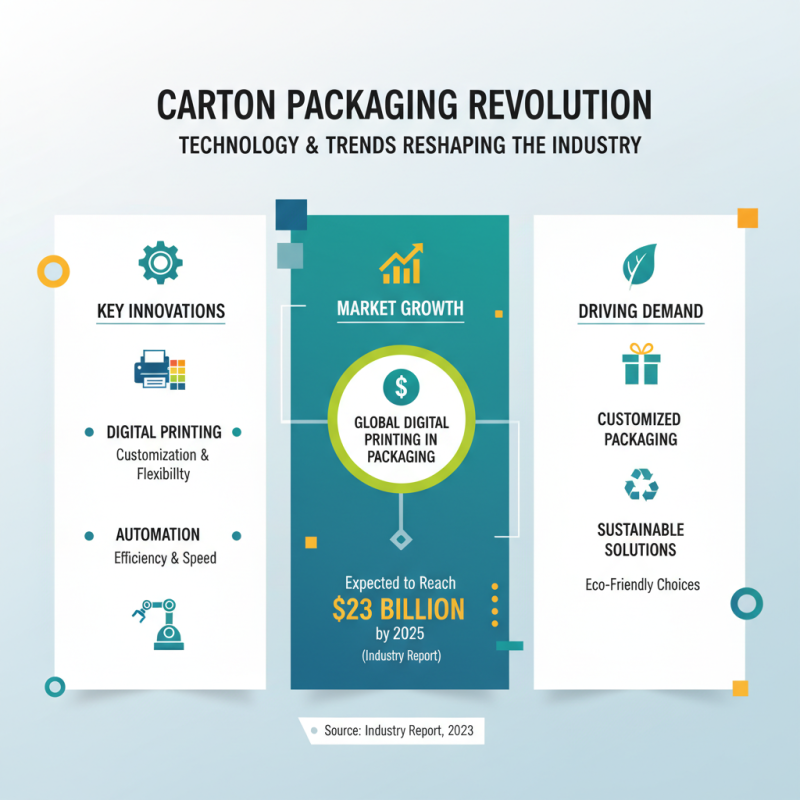
The carton packaging industry is witnessing a significant shift driven by emerging technologies. Innovations such as digital printing and automation are reshaping how cartons are produced. According to a recent industry report, the global market for digital printing in packaging is expected to reach $23 billion by 2025. This growth reflects the increasing demand for customized and sustainable packaging solutions.
Automated production lines are enhancing efficiency but also present challenges. For instance, while automation reduces labor costs, it requires upfront investment in technology. The integration of AI and machine learning into manufacturing processes can optimize operations, but many small companies struggle with implementation. As firms navigate these changes, finding the right balance between technology and sustainability is crucial.
Sustainable materials have emerged as a key focus. Research indicates that about 70% of consumers prefer brands that use eco-friendly packaging. Innovations like biodegradable coatings and recyclable materials are gaining traction. However, the recycling infrastructure in many regions is still inadequate. Despite technological advances, the industry must rethink its approach to ensure that sustainability efforts are effective and accessible to all.
Consumer Trends Influencing Sustainable Carton Packaging Choices
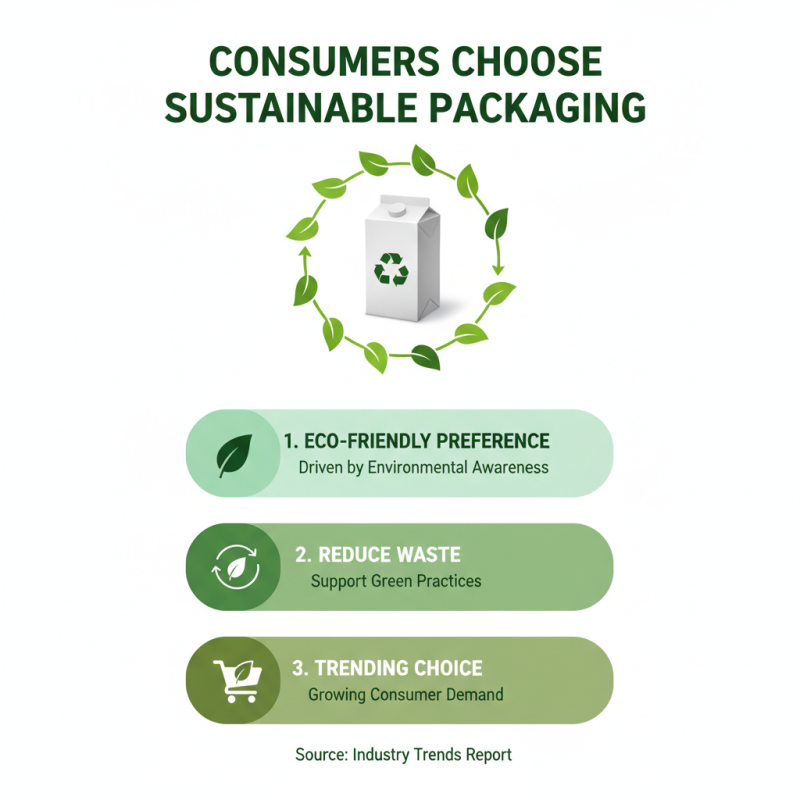
Sustainable carton packaging is trending among consumers. They increasingly prefer eco-friendly options. This shift is driven by growing environmental awareness. Consumers want to reduce waste and support green practices.
Many people are looking for clear labeling. They want to know if the packaging is recyclable or biodegradable. Transparency builds trust. Additionally, functional design matters. Packaging that is easy to open and dispose of is more appealing. Some may overlook these details in their rush to purchase.
Also, convenience is key. Busy lifestyles drive consumers to favor practical packaging. However, this can come at the cost of sustainability. Striking a balance remains a challenge for brands. More eco-friendly options are emerging, but not all are user-friendly. There is still room for improvement in this area. As preferences evolve, so must the packaging solutions offered.