Top 10 Benefits of Printed Packaging for Global Buyers?
Printed packaging has become a vital component in today's global marketplace. It offers numerous advantages that resonate with both manufacturers and consumers. One key benefit is its role in brand identity. Companies use printed packaging to create a distinct image, making their products recognizable. This recognition fosters consumer trust. When shoppers see familiar designs, they often feel a sense of reliability.
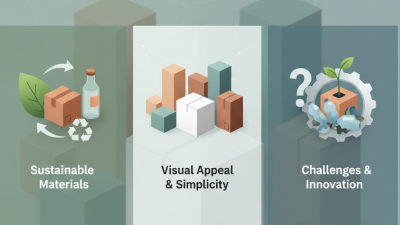
Another significant aspect is sustainability. With increasing environmental awareness, businesses are shifting towards eco-friendly printed packaging solutions. These options reduce waste and appeal to conscious consumers. Brands that adopt sustainable practices often gain a competitive edge. However, implementing these solutions can be challenging and may involve higher costs.
Ultimately, printed packaging enhances not just the visual appeal but also the usability of products. It informs consumers about the product inside. Clear labeling can break down complex information effectively. While there are challenges in balancing aesthetics and functionality, the benefits of printed packaging for global buyers are profound. Embracing these innovations can lead to greater customer satisfaction and long-term success.
Benefits of Printed Packaging: Enhancing Brand Visibility and Recognition
Printed packaging plays a crucial role in enhancing brand visibility and recognition in today's competitive market. According to a study by the Paper and Packaging Board, 72% of consumers believe that packaging design influences their purchasing decisions. Effective packaging goes beyond mere aesthetics; it communicates a brand's identity and values. High-quality printing can convey information about the product, its ingredients, and its benefits. This transparency fosters trust between brands and consumers.
Moreover, printed packaging is an invaluable tool for differentiation. A survey by Luxe Pack found that 60% of consumers are attracted to a brand due to its unique packaging alone. The right colors, textures, and designs can create a lasting impression, making products memorable. However, brands should balance creativity with functionality. Overly complex designs can lead to confusion about product use or safety. Simplifying messages can sometimes enhance understanding and appreciation.
Sustainability is also becoming essential in printed packaging. The global packaging industry is shifting towards eco-friendly materials. The Ellen MacArthur Foundation reports that 70% of consumers are willing to pay more for sustainable packaging. Yet, combining sustainability with compelling design requires careful planning. Companies must continuously evaluate how their packaging reflects their brand values while meeting consumer expectations.
Top 10 Benefits of Printed Packaging for Global Buyers
This chart illustrates the top 10 benefits of printed packaging, highlighting the significant advantages that can enhance brand visibility and recognition for global buyers. The benefits, rated by their importance, indicate a wide-ranging impact on consumer behavior and brand perception.
Cost-Effectiveness of Printed Packaging in Reducing Marketing Expenses
Printed packaging offers significant cost-effectiveness for global buyers. When businesses choose printed packaging, they often find a reduction in overall marketing expenses. This packaging type acts as a visual advertisement, conveying brand values and product information effectively. A well-designed package can catch the eye, leading to increased sales.
Moreover, businesses can save by minimizing the need for additional advertising. Printed packaging can eliminate separate labels and pamphlets, cutting costs further. It provides a two-in-one solution, integrating information delivery and brand representation. However, some companies may overlook the importance of quality in design. Poor print quality can lead to a negative brand perception, which might negate potential savings.
Investing in high-quality printed packaging requires a careful balance between cost and design. This ensures that the packaging reflects the brand's identity and resonates with consumers. It is essential to test different designs and gather consumer feedback. Companies need to remain adaptable, as the market demands can shift, impacting packaging effectiveness and brand image.
Sustainability Impact: Eco-Friendly Materials in Printed Packaging
Printed packaging has a significant role in enhancing sustainability. The shift towards eco-friendly materials is crucial. Many companies now select biodegradable plastics or recycled papers. These materials reduce waste and lower carbon footprints. By choosing sustainable options, businesses can appeal to environmentally conscious consumers.
The visual appeal of printed packaging creates a strong connection. Beautiful designs made from sustainable materials can attract attention. However, some may still prioritize aesthetics over sustainability. This mindset can lead to over-packaging and increased environmental impact. Reflecting on the balance between design and eco-friendliness is important. Resources can be allocated towards developing innovative, sustainable solutions.
Transparency is essential in printed packaging. Buyers appreciate knowing the source of materials. This awareness fosters trust and encourages responsible consumption. Brands can communicate their commitment to sustainability effectively. Yet, not all companies are upfront about their practices. Ongoing industry changes require continuous learning and adaptation. Embracing an eco-conscious approach can create lasting benefits for both buyers and the planet.
Top 10 Benefits of Printed Packaging for Global Buyers - Sustainability Impact: Eco-Friendly Materials in Printed Packaging
| Benefit |
Description |
Sustainability Impact |
| Enhanced Brand Recognition |
Printed packaging helps create a unique visual identity, making brands more memorable. |
Increased brand loyalty promotes responsible consumer behavior. |
| Eco-Friendly Materials |
Use of biodegradable and recyclable materials reduces environmental impact. |
Less plastic waste contributes to a healthier planet. |
| Cost-Effectiveness |
Bulk printing reduces costs per unit, benefiting buyers globally. |
Investing in eco-friendly materials can reduce long-term disposal costs. |
| Customizable Designs |
Flexibility in design allows for tailored packaging solutions. |
Promotes the use of sustainable graphics and messages to increase awareness. |
| Protection of Products |
Effective packaging protects products from damage during transit. |
Reducing waste from damaged goods aligns with sustainability goals. |
| Consumer Appeal |
Attractive packaging can enhance consumer purchasing decisions. |
Increased sales of eco-friendly products support sustainable practices. |
| Enhanced Information Delivery |
Printed packaging can provide essential information about the product. |
Educates consumers on recycling and disposal methods. |
| Regulatory Compliance |
Meets industry standards for safety and environmental impact. |
Promotes sustainable business practices in compliance with regulations. |
| Increased Market Reach |
Printed packaging can cater to diverse markets with different preferences. |
Supports the promotion of global sustainability initiatives. |
| Durability |
High-quality printed materials offer strong protection against wear and tear. |
Results in less waste and less frequent replacement of packaging. |
Consumer Preferences: Statistics on Printed Packaging Influence on Purchases
Consumers today are heavily influenced by printed packaging. Approximately 72% of shoppers admit that packaging design impacts their purchasing decisions. This statistic highlights the importance of visual appeal. Eye-catching graphics and vibrant colors can draw attention in crowded retail spaces. Shoppers often associate quality with well-designed packaging, expecting better products inside.
Printed packaging conveys brand identity. It tells a story about the product and company values. Sustainable materials and eco-friendly designs resonate with environmentally conscious consumers. When shoppers see clear labeling, they feel more informed. Transparency builds trust and fosters loyalty. However, not all packaging is effective. Some designs can be overwhelming or unclear, leading to confusion.
The tactile nature of printed packaging adds another layer. Many consumers enjoy the experience of holding a product. The texture and weight contribute to their perception of quality. Some people may still prefer simple, minimalistic designs over elaborate ones. This varies based on individual tastes and trends. Brands must constantly evaluate their strategies to keep pace with shifting consumer preferences.
Protection and Safety: How Printed Packaging Ensures Product Integrity
Printed packaging plays a crucial role in ensuring product integrity. It provides a layer of protection against external factors like moisture, dust, and damage. This is especially important for businesses that ship products globally. When items are securely packaged, they arrive at their destination intact. This builds trust between buyers and sellers.
Investing in quality printed packaging can reduce losses from damaged goods. For example, boxes with padded layers are more secure. They also minimize shifts during transport. However, not all printed packaging is created equal. Buyers must choose materials that are robust and suitable for their products.
Consider the environment when choosing printed packaging. Sustainable options are often effective too. Buyers should evaluate the benefits of biodegradable materials. They offer protection while also reducing environmental impact. Sustainability can also enhance brand image, appealing to eco-conscious customers. Proper research into packaging choices can yield significant long-term benefits. Evaluate your needs carefully before making a decision.