What Are the Benefits of Using Shrink Sleeves for Packaging?
Shrink sleeves have emerged as a highly effective solution in the packaging industry. According to a recent market analysis by Smithers Pira, the global shrink sleeve market is projected to reach $4.82 billion by 2027, highlighting its growing importance. This packaging method offers unique benefits, such as enhanced product visibility and increased shelf appeal.
Shrink sleeves are known for their versatility and adaptability. They can conform to any product shape, providing a 360-degree coverage that enhances branding. This is particularly valuable in competitive markets. Additionally, a report from Grand View Research indicates that shrink sleeves have a lower environmental impact compared to traditional labels, making them a more sustainable choice.
Despite these advantages, some businesses overlook the potential of shrink sleeves. There are concerns regarding the initial investment for machinery and materials. Companies need to evaluate if the long-term benefits outweigh these costs. Balancing aesthetics with practicality requires careful consideration. Overall, embracing shrink sleeves could lead to improved brand recognition and greater consumer engagement.
Definition and Overview of Shrink Sleeves in Packaging
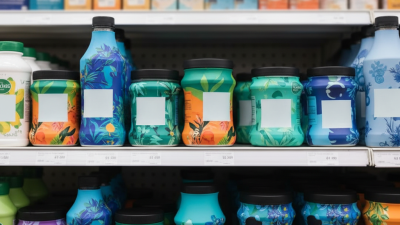
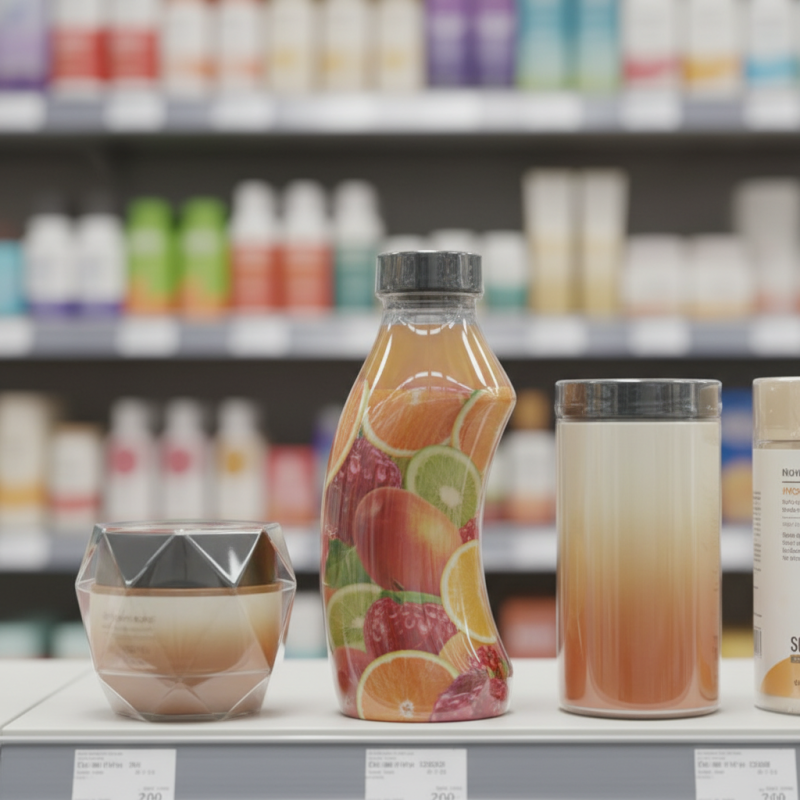
Shrink sleeves are a popular choice in packaging. They are made from a polymer material that shrinks when heat is applied. This creates a tight fit around products, offering protection and enhancing appearance. Companies often utilize them to improve product branding. The vibrant graphics on shrink sleeves attract consumers’ attention.
The versatility of shrink sleeves is noteworthy. They can accommodate various shapes and sizes. From bottles to cans, shrink sleeves provide a snug fit. Their ability to conform means better product visibility on shelves. However, it is essential to select the right material for optimal performance. If the material is too thin, it may tear easily. If it's too thick, it might not shrink evenly.
Shrink sleeves also offer tamper-evident features. This creates an added layer of safety for consumers. Yet, some may question their environmental impact. Awareness around sustainability is growing in packaging. Consumers often seek eco-friendly options, which can lead companies to reconsider their packaging choices. A balance must be found between functionality and ecological responsibility.
Benefits of Using Shrink Sleeves for Packaging
Advantages of Shrink Sleeves for Brand Visibility and Aesthetics
Shrink sleeves have become increasingly popular in the packaging industry, especially for enhancing brand visibility and aesthetics. Unlike traditional labels, shrink sleeves can wrap around complex shapes and provide a 360-degree branding canvas. A report from Smithers Pira indicates that the shrink sleeve market is expected to grow at a CAGR of 4.2% from 2021 to 2026. This growth showcases how brands are investing in visually striking packaging solutions.
These sleeves offer vibrant colors and high-resolution graphics, making products stand out on shelves. In research conducted by the Packaging Machinery Manufacturers Institute, studies show that product packaging can influence consumer purchasing decisions by up to 70%. This impact demonstrates the importance of aesthetics in packaging design. Additionally, shrink sleeves can simulate textures and effects, which enhance tactile experiences. However, achieving the right balance between eye-catching designs and functionality is a challenge for many brands.
While shrink sleeves are effective, brands must also consider transparency. Some consumers prefer eco-friendly options. A survey by Nielsen revealed that 66% of global consumers are willing to pay more for sustainable brands. Therefore, brands need to reflect on materials and their sourcing efforts. This balance between aesthetics and sustainability poses an ongoing challenge for the industry and requires ongoing evaluation.
Cost-Effectiveness and Efficiency of Shrink Sleeves in Production
Shrink sleeves offer a compelling advantage in packaging by significantly enhancing cost-effectiveness and efficiency throughout production. Unlike traditional packaging methods, shrink sleeves can accommodate various shapes and sizes. This flexibility not only saves on material costs but also reduces waste. With fewer packaging materials needed, businesses can lower their overall expenses, which is essential for staying competitive.
The efficiency of shrink sleeves extends beyond material savings. Using this method streamlines the packaging process. Machines can apply shrink sleeves quickly, speeding up assembly lines. This reduction in labor time translates to lower operational costs. Yet, there are challenges to consider. Improper sealing or shrinking temperatures can lead to product waste. Maintaining quality control is crucial, as discrepancies can lead to increased costs and negatively impact brand credibility.
Moreover, shrink sleeves can enhance shelf appeal. Their full-body graphics allow for more vibrant designs. Eye-catching packaging can drive sales, but striking the right balance is vital. Brands must focus on sustainable options to meet growing consumer demand for eco-friendly practices. This is an area where continual reflection and improvement are necessary.
What Are the Benefits of Using Shrink Sleeves for Packaging?
| Benefit |
Description |
Cost-Effectiveness |
Efficiency |
| Versatility |
Shrink sleeves can accommodate various shapes and sizes, making them ideal for numerous products. |
Cost-effective for different product lines without requiring multiple packaging solutions. |
Streamlines the packaging process by reducing the need for custom molds. |
| Branding Opportunities |
Allows for full-color graphics and 360-degree branding, enhancing product visibility. |
Increases marketability at a lower cost compared to traditional forms of branding. |
Quick production runs help in testing new designs without high upfront investment. |
| Tamper Evidence |
Provides a clear visual indication if the package has been tampered with, ensuring product safety. |
Reduces losses due to contamination or tampering, protecting brand reputation. |
Efficient sealing process that minimizes handling and potential for error. |
| Environmental Considerations |
Shrink sleeves can be made from recyclable materials, supporting sustainability efforts. |
Potentially lower costs in waste management compared to non-recyclable materials. |
Efficient use of materials can lead to reduced environmental impact during production. |
Environmental Impact and Sustainability of Shrink Sleeve Materials
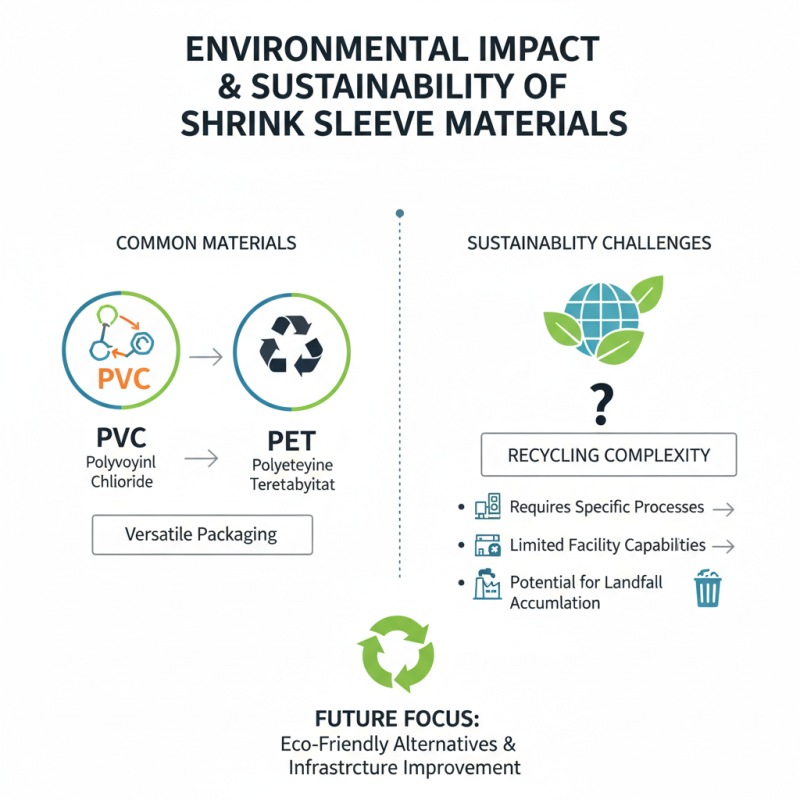
Shrink sleeves offer a versatile packaging solution that can significantly impact the environment. The materials used in shrink sleeve production are increasingly being scrutinized for their sustainability. Many shrink sleeves are crafted from PVC or PET, which can be recycled but may require specific processes. This can create a challenge for some facilities.
On the positive side, advancements in biodegradable and compostable shrink sleeves are emerging. These materials break down more easily, reducing landfill waste. However, not all biodegradable options are equally effective in various environments. Sometimes they may take longer to decompose than expected, raising questions about their overall effectiveness.
Moreover, the energy consumption during the manufacturing of shrink sleeves must be factored into their environmental impact. Although these sleeves can reduce the need for secondary packaging, manufacturers need to assess their full lifecycle. It’s crucial to remain aware of these complexities. The journey toward sustainable packaging is ongoing, with many facets requiring consideration and improvement. Every small step contributes to larger environmental goals. Distinguishing truly sustainable materials from traditional ones can be a challenge, but it is essential for informed choices.
Applications of Shrink Sleeves Across Various Industries
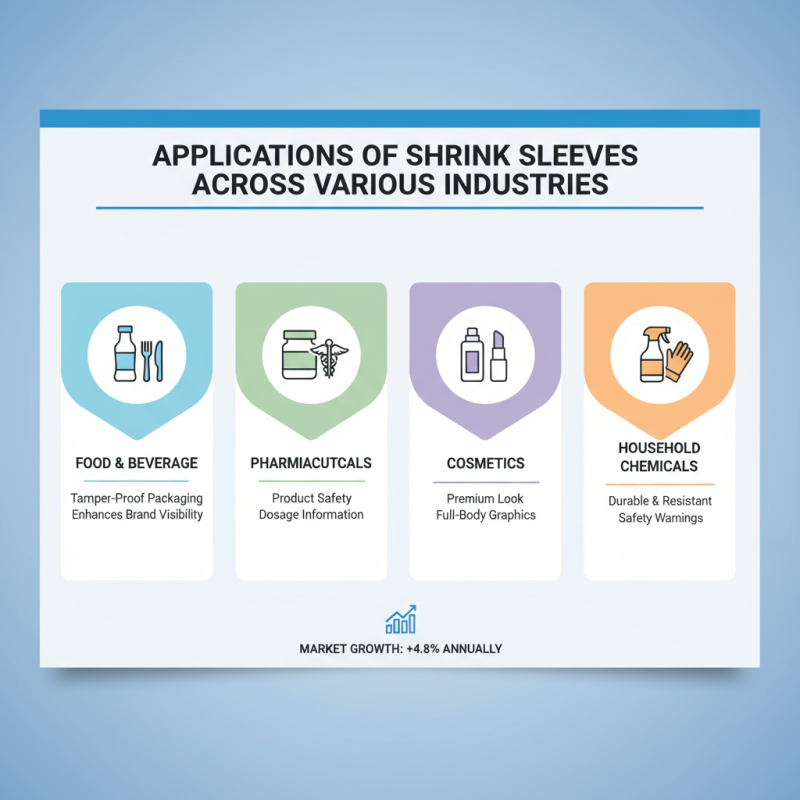
Shrink sleeves offer remarkable versatility across numerous industries. In food and beverage, they provide tamper-proof packaging, ensuring product safety. According to a recent market report, the shrink sleeve market is projected to grow by 4.8% annually, highlighting its importance in this sector. The colorful designs on shrink sleeves can attract customers, enhancing brand visibility on crowded shelves.
In pharmaceuticals, shrink sleeves serve as vital security seals. They help maintain product integrity and communicate essential safety information. A study indicated that packaging compliance can improve medication adherence by up to 30%, proving the effectiveness of this method. Additionally, shrink sleeves are increasingly used in the cosmetics industry, where aesthetics play a key role in consumer choice.
**Tips:** Always consider the environmental impact of shrink sleeves. Some materials are less eco-friendly than others. Research biodegradable options that maintain functionality. Ensure that the printing process adheres to safe standards. This is crucial for products used in sensitive areas. Balancing aesthetics with safety is mandatory. Being aware of these aspects can elevate the overall quality of packaging.