Best Boxes for Packaging Solutions for Your Business Needs?
In today's competitive market, finding the right boxes for packaging is crucial for any business. Packaging not only protects products but also enhances branding. The right boxes can help businesses stand out and attract customers. Many options exist, but not all boxes suit every need.
Selecting boxes for packaging involves understanding your product and target audience. Some businesses prioritize durability, while others focus on aesthetics. This process can be challenging and requires thoughtful consideration. Many companies struggle to find the perfect balance between functionality and visual appeal.
Investing in the right packaging solutions reflects a business's dedication to quality. However, it is essential to remain adaptable. Trends change, and what works today may not be effective tomorrow. Regularly examining packaging options can lead to improved customer satisfaction and brand recognition. Remember to seek expert advice and explore various sources to ensure informed choices.
Types of Packaging Boxes for Various Business Needs
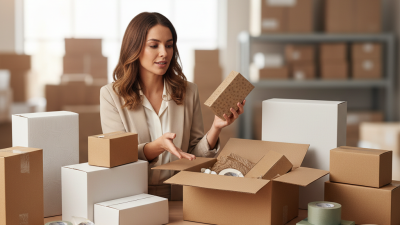
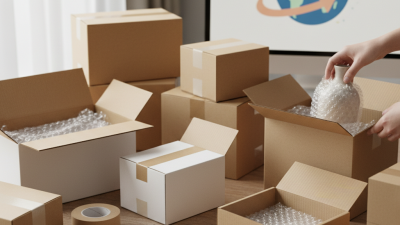
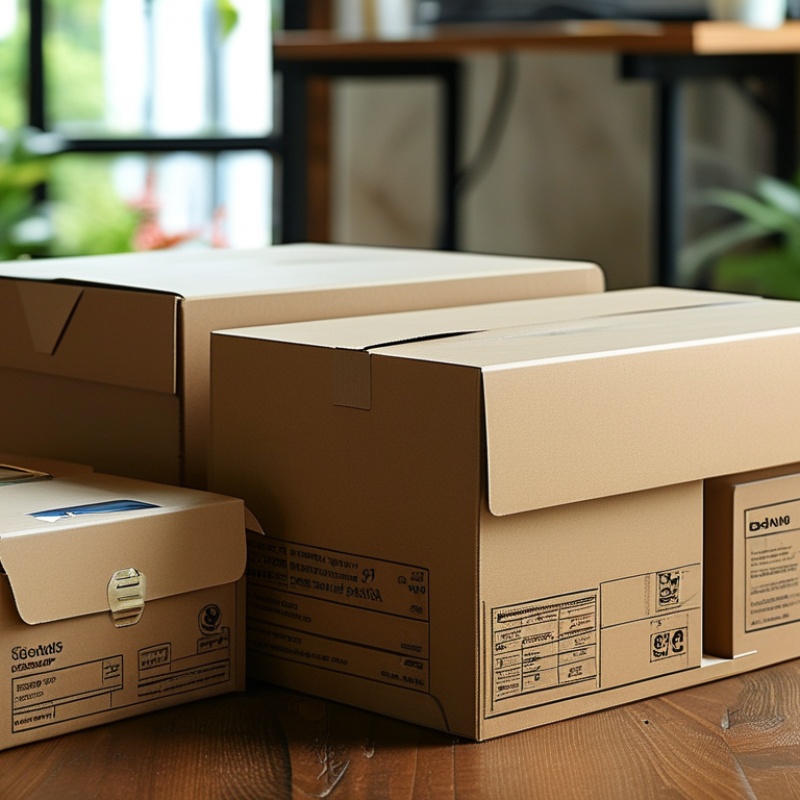
Choosing the right packaging box is crucial for any business. Different products require different packaging solutions. For example, fragile items need padded boxes, while bulkier products fit well in sturdy crates. Customizations, like size and material, can significantly impact the customer experience.
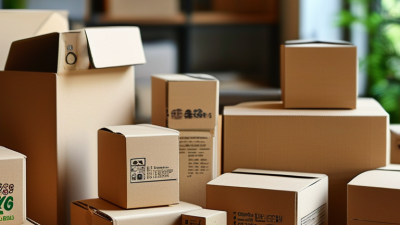
When selecting packaging, consider the weight and fragility of your items. Corrugated boxes are excellent for protection. If you’re shipping food items, opt for food-safe materials. Sustainability is another factor. Eco-friendly packaging is increasingly preferred by consumers. This can enhance your brand image and build trust.
Evaluate your packaging regularly. Are your boxes holding up during transit? Are they cost-effective? Gather feedback. Small changes can lead to significant improvements. Experiment with different types until you find the perfect match for your business. Always be open to innovation.
Factors to Consider When Choosing Packaging Solutions
Choosing the right packaging solution is critical for any business. There are several factors to consider. The type of product often dictates packaging requirements. For instance, fragile items need robust materials. According to a study by Smithers Pira, 74% of consumers are influenced by packaging design and quality. This emphasizes the need for businesses to prioritize durability and aesthetics.
Cost-effectiveness is another crucial aspect. A report from the Packaging Machinery Manufacturers Institute reveals that efficient packaging can reduce overall costs by about 30%. However, businesses should weigh quality against price. Choosing cheaper materials may save money initially but can lead to damage during transit, affecting customer satisfaction.
Sustainability is increasingly important too. A survey by Nielsen indicates that 66% of consumers are willing to pay more for eco-friendly packaging. That said, implementing sustainable practices often presents challenges. Companies must evaluate their entire supply chain to minimize environmental impact effectively. Finding a balance remains a work in progress for many organizations.
Benefits of Custom Packaging Boxes for Branding
Custom packaging boxes can significantly enhance your branding efforts. They offer a unique identity that reflects your business values. According to a recent report from the Packaging Design Association, 70% of consumers prefer products that come in custom packaging. This highlights the importance of first impressions. Eye-catching designs attract attention and encourage customers to explore your offerings further.
Another key aspect is the emotional connection packaging creates. A study by the Paper and Packaging Board discovered that 50% of consumers feel more positive towards brands that prioritize sustainable and attractive packaging. This suggests that investing in eco-friendly materials can improve customer loyalty. When customers resonate with your packaging, they are more likely to become repeat buyers.
Packaging tips include focusing on material choices that align with your brand image. For instance, if sustainability is a core value, consider biodegradable options. Additionally, ensure that your branding elements, like colors and logos, are consistent. Lastly, test different designs with your target audience to gauge their responses. This process can lead to insightful feedback and potential improvements for future packaging.
Benefits of Custom Packaging Boxes for Branding
Sustainable Packaging Options for Eco-Conscious Businesses
Eco-conscious businesses are increasingly searching for sustainable packaging options. They want to minimize their environmental impact while still meeting customer expectations. Achieving this balance can be challenging. Many companies are now exploring biodegradable materials, recycled boxes, and innovative designs. These options can help in reducing waste significantly.
Choosing materials like corn starch or recycled paper can make a difference. Biodegradable packaging breaks down easier in landfills. This choice also appeals to consumers who care about environmental issues. However, it’s crucial to ensure that these materials are sturdy enough for shipping. Some businesses may hesitate, fearing these alternatives won't protect their products.
Sustainability is an ongoing journey. Companies often face challenges in sourcing materials that align with their values. Adapting to new packaging solutions may require experimentation. Feedback from customers plays a vital role in this process. It informs businesses about what works and what doesn’t. Balancing sustainability with practicality requires reflection and adjustment.
Best Boxes for Packaging Solutions for Your Business Needs?
| Packaging Type |
Material |
Sustainability Rating |
Price Range |
Size Options |
| Kraft Boxes |
Recycled Paper |
A+ |
$0.50 - $2.00 |
Small, Medium, Large |
| Biodegradable Mailers |
PLA (Corn Starch) |
A+ |
$0.30 - $1.50 |
Various Sizes |
| Recycled Boxes |
Post-Consumer Waste |
A |
$1.00 - $3.00 |
Standard Sizes |
| Plant-Based Packaging |
Sugarcane Bagasse |
A |
$1.50 - $4.00 |
Custom Sizes |
| Recycled Paper Tape |
Recycled Paper |
A+ |
$0.10 - $0.50 per roll |
Standard Width |
Cost-Effective Packaging Solutions for Startups and Small Businesses
When it comes to startups and small businesses, cost-effective packaging solutions are essential. Packaging can impact both customer satisfaction and brand image. Choosing the right boxes can be daunting, especially with so many options available.
Startups often operate with limited budgets. They need affordable boxes that don’t sacrifice quality. A well-made box protects products during transit. It should also reflect the business’s branding. Custom designs might seem pricey, but there are practical alternatives. Stock boxes can be sourced at a lower cost while still offering ample protection.
Sustainability is another factor to consider. Eco-friendly options can attract environmentally-conscious consumers. However, they may not always be the cheapest. Businesses should weigh the pros and cons of using biodegradable materials. Finding a balance between cost and quality is tricky. Focusing solely on price might lead to poor packaging choices. This can result in damaged products and unhappy customers. Thus, thoughtful selection is key to sustainable growth.