2026 Best Business Packaging Solutions for Success?
In today’s competitive landscape, effective business packaging is crucial for success. It creates first impressions and communicates brand values. Packaging can make or break a customer's decision to purchase. Companies must recognize this connection and invest in innovative solutions.
The best business packaging combines functionality and aesthetics. It protects products while attracting consumer attention. Sustainable packaging is gaining popularity. Eco-friendly materials resonate with the growing customer base concerned about the environment. However, finding the right balance can be challenging.
Some businesses overlook the importance of packaging design. They may prioritize cost over quality. This can lead to missed opportunities for brand engagement. Reflecting on past packaging strategies is essential. Assessing previous successes and failures can guide better decisions in the future. Embracing creativity and thoughtfulness in business packaging allows brands to stand out.
Innovative Packaging Trends Shaping Business Success in 2026
In 2026, innovative packaging trends will shape business success in remarkable ways. Sustainable materials will dominate the industry. Many companies will prioritize eco-friendly options that minimize waste. This shift is essential, as consumers increasingly demand greener choices. Enhanced recyclability will not just reduce landfill waste; it will also improve a company's image. Businesses must embrace this urgency.
Smart packaging is another key trend. This technology incorporates sensors to monitor freshness and track products. It could lead to reduced spoilage. However, integrating these advanced features can be costly. Companies might struggle to justify the expense versus potential gains. Balancing innovation with budget constraints will challenge many.
Design will also play a critical role, with unique aesthetics capturing consumer attention. Minimalism might be favored, but it can risk appearing generic. Brands need to find a fine line between eye-catching and practical. Packaging that tells a story will resonate more deeply. Yet, striking that balance requires creativity and reflection on target markets. The future will demand evolving strategies to keep pace with these trends.
Key Factors Influencing Business Packaging Decisions in the Modern Market
When it comes to business packaging decisions, several key factors play a crucial role.
Functionality is vital.
Packaging must protect the product while being easy to use. If it’s difficult to open, customers may feel frustrated.
This can lead to negative experiences and lost sales.
Aesthetic appeal is also important. Visual design can attract consumers.
For example, bright colors and unique shapes can catch the eye.
However, simplicity often works best. Overly complex designs may confuse customers. They want packaging that is clear and intuitive.
Tips: Focus on eco-friendly materials. Customers appreciate sustainability.
It can influence their buying decisions. Also, remember that packaging reflects your brand.
Make sure it tells your story. Leave room for improvement.
Always ask for feedback on packaging. This insight can lead to better designs in the future.
Understanding these factors can lead to successful packaging solutions in 2026.
Sustainable Packaging Solutions for Reducing Environmental Impact
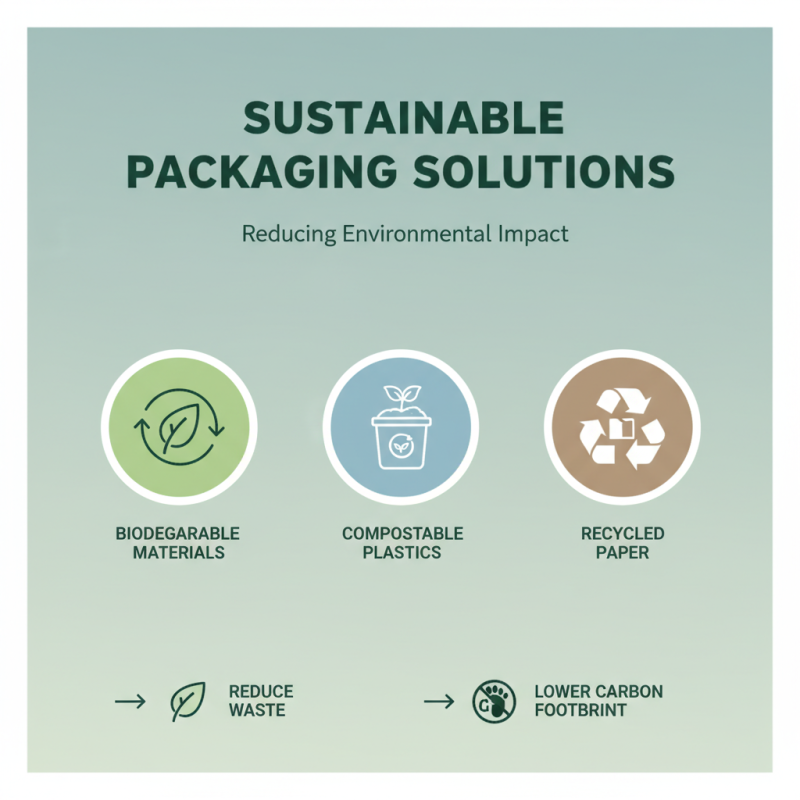
In recent years, businesses have started to rethink their packaging strategies. Sustainable packaging solutions are essential for reducing environmental impact. Companies are exploring biodegradable materials, compostable plastics, and recycled paper. These options help lessen waste and reduce carbon footprints.
Tips: Consider using plant-based materials. They often decompose faster than traditional plastics. This choice can also resonate with eco-conscious consumers. Explore innovative designs that minimize packaging waste. Streamlined packaging not only saves materials but can also cut costs.
Transparency is critical. Brands should communicate their sustainability efforts clearly. Sometimes, the eco-friendliest options may not have the same aesthetic appeal. It’s okay to reflect on the balance between appearance and function. Sometimes, solutions require small compromises for larger benefits. Evaluate packaging regularly. What worked last year might not now. Adaptation is necessary in this evolving landscape.
The Role of Technology in Enhancing Packaging Efficiency and Appeal
In today’s competitive market, technology plays a vital role in enhancing packaging efficiency and appeal. According to a recent report from Smithers Pira, the global smart packaging market is projected to reach $45 billion by 2026. This growth is driven by advances in materials and processes that improve functionality, sustainability, and visual appeal.
Implementing digital printing can reduce waste and lower costs. Companies often underestimate how quick changeovers and customization improve brand presence. Engaging packaging can capture consumer attention. It is crucial to analyze customer preferences and incorporate that data into design strategies.
Tip: Invest in research to identify the latest packaging trends. Avoid following every trend blindly; focus on what resonates with your audience. Packaging must connect emotionally with consumers. It’s easy to overlook this in the pursuit of efficiency. Balancing function with aesthetic appeal is essential for success. An effective strategy requires constant reflection on designs and technologies.
2026 Best Business Packaging Solutions for Success
This chart illustrates the effectiveness of various packaging technologies in enhancing packaging efficiency and appeal. The data showcases the percentage increase in efficiency and consumer appeal ratings for different packaging solutions in 2026.
Strategies for Selecting the Right Packaging for Different Product Types
Choosing the right packaging is crucial for product success. Different product types require different strategies. For fragile items, cushioning materials are essential. Bubble wrap or foam inserts can protect goods during transportation. A sturdy box is just as important. If it's flimsy, it won't hold up.
For food items, packaging must maintain freshness. Airtight seals help prolong shelf life. Clear windows allow customers to glance inside. This transparency builds trust. However, over-packaging can turn buyers away. Eco-conscious consumers prefer sustainable options. Finding a balance is key.
Cosmetics require a different focus. Aesthetics play a significant role in this market. Sleek designs can attract attention on shelves. But, usability is also vital. Packages that are hard to open can frustrate users. Evaluating feedback is essential. It's important to reflect on previous choices and learn. There is always room for improvement.