2026 Best Innovations in the Packaging Industry for Buyers?
In the ever-evolving packaging industry, innovation is key. Experts note that sustainable practices and cutting-edge technology are transforming how products are packaged. John Smith, a leading expert in the field, has said, "The future of packaging depends on our commitment to sustainability and creativity."
As we look ahead to 2026, it's essential to recognize advancements that cater to consumer demands and environmental challenges. This transition reflects a growing urgency to minimize waste and prioritize recyclable materials. Innovative designs are not just about aesthetics; they also enhance functionality and sustainability.
However, not all innovations receive equal attention. Some emerging solutions may go unnoticed, despite their potential impact. In a rapidly changing market, it’s crucial to stay informed about these significant trends. By doing so, we can better navigate the challenges ahead in the packaging industry and leverage new ideas for improved practices.

Overview of the 2026 Packaging Industry Innovations
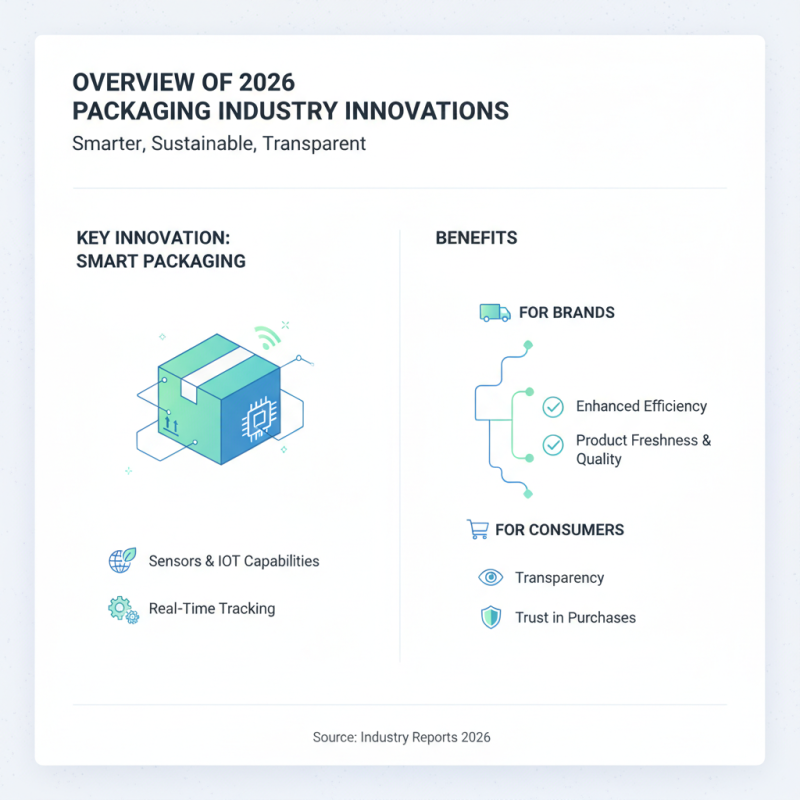
In 2026, the packaging industry is set to embrace innovative technologies that enhance efficiency and sustainability. One major focus is smart packaging, which integrates sensors and IoT capabilities. This technology allows brands to track products in real-time, ensuring freshness and quality. For consumers, this brings transparency and trust in their purchases.
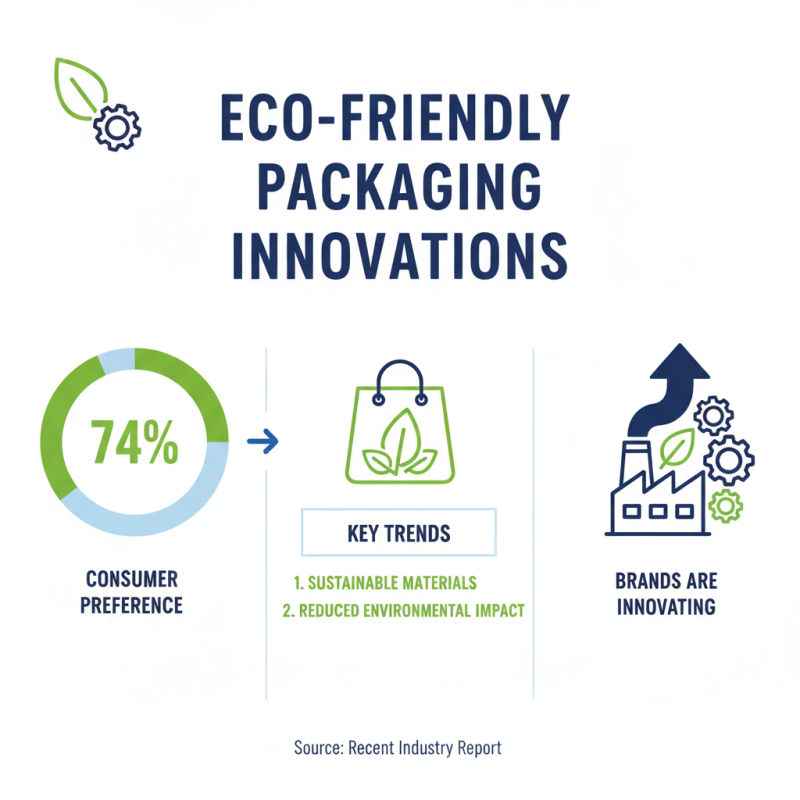
Sustainable materials are also evolving. Many manufacturers are shifting away from traditional plastics, opting for biodegradable or recycled alternatives. This shift not only reduces environmental impact but also meets increasing consumer demand for eco-friendly options. The challenge lies in balancing cost and performance while maintaining product integrity.
Tips: When exploring packaging options, consider the lifecycle of materials. Assess how they will be disposed of and their long-term effects. Engaging with suppliers early can lead to better choices and innovations tailored to your needs. Stay updated on industry trends and adapt your strategy accordingly. Embrace change; it leads to improvement.
Sustainable Packaging Solutions: Trends and Technologies
Sustainable packaging solutions are at the forefront of innovation in the packaging industry. Many companies are exploring biodegradable materials that break down easily in natural environments. These materials not only reduce waste but also promote eco-friendliness. For instance, plant-based plastics can serve as substitutes for traditional ones. They help in minimizing the carbon footprint.
Recyclability is another critical trend. Consumers are demanding packaging that is easy to recycle. Some brands are creating packaging designed to be reused multiple times. This change challenges conventional practices and encourages responsible consumer behavior. However, there are gaps in educating consumers on proper disposal methods. Misunderstandings can lead to contamination in recycling streams.
The industry is also focusing on lightweight packaging to reduce shipping costs and environmental impact. However, there are challenges in maintaining product safety and integrity. Achieving that balance is key. Exploring these innovations reveals a journey filled with opportunities and obstacles. Companies must adapt quickly to succeed in this evolving landscape.
Smart Packaging: Enhancing User Experience and Tracking
Smart packaging is revolutionizing the way consumers interact with products. This innovation goes beyond traditional functionality. It connects users with the brand through technology. Imagine a package that can notify you when the product inside is running low, or that changes color if the contents are spoiled. This enhances both the user experience and safety.
Tracking capabilities are becoming a game changer. Advanced sensors allow brands to monitor shipping conditions in real time. They can assess temperature or humidity, ensuring products arrive in optimal condition. This level of transparency builds trust between buyers and sellers. However, relying on technology can raise concerns. Not all users understand how to use these features effectively.
Moreover, the integration of smart packaging often comes with challenges. High costs and complex technology can deter smaller brands. Packaging needs to be user-friendly. If not, it risks alienating tech-averse consumers. As the industry grows, it’s crucial to find a balance between innovation and accessibility. Creating smarter packages isn't just about technology; it's about enhancing the user journey.
Customization and Personalization in Packaging Design
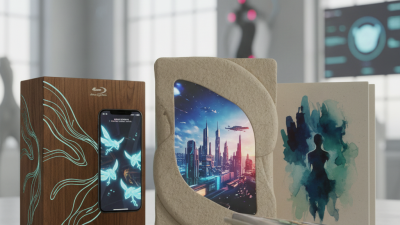
Customization and personalization are at the forefront of packaging design. Brands today understand that consumers crave unique experiences. This shift influences how products are packaged, aiming to engage customers on a personal level. A custom design can elevate a product's perception, making it more appealing on retail shelves.
The rise of digital printing technology allows for intricate designs that cater to individual preferences. Customers can order packages tailored to their tastes, enhancing emotional connections with products. This practice fosters loyalty, as consumers feel more valued and understood. However, achieving true personalization presents challenges. Brands must balance creative expression with practicality.
Sustainability also plays a vital role. Eco-friendly materials can limit design options, pushing brands to find innovative solutions. It's essential to thoughtfully navigate these constraints. Companies often struggle to maintain aesthetic appeal while being environmentally responsible. As the industry evolves, brands must continuously adapt, reflecting their commitment to both customization and sustainability.