
7 Best PVC Wearlayer Suppliers for Global Buyers

Buying Pvc Wearlayer materials globally is not a simple price comparison. A clear, durable surface layer can determine how long vinyl flooring keeps its color, texture, and protective finish. Small differences matter. A supplier’s resin selection, calendering control, printing compatibility, and quality documentation can affect every roll.

Dr. Chris DeArmitt, a recognized plastics materials expert, offers a useful reminder: “Plastics are not the problem; poor decisions are.” His observation fits Pvc Wearlayer sourcing closely. The right supplier should explain thickness tolerance, abrasion resistance, UV performance, gloss options, and production consistency. Buyers should also request samples, test reports, factory details, and realistic lead times. A polished website proves little.

This guide reviews seven Pvc Wearlayer suppliers serving international buyers. It considers manufacturing experience, technical capability, customization, export support, and communication reliability. Some suppliers may excel in high-volume production, while others may handle smaller, more specialized orders. That difference is easy to overlook.

There is no perfect supplier.

A low-cost offer may hide higher inspection costs, inconsistent color matching, or delayed replacement rolls. Even experienced purchasers can miss these risks when specifications remain vague. The shortlist therefore focuses on practical evidence, not marketing language alone. Buyers should still verify current certifications, sample performance, and contractual terms before placing an order. Suppliers change. Markets change faster.
7 Best PVC Wearlayer Suppliers for Global Buyers

What PVC Wearlayer Is and Why It Matters in Flooring

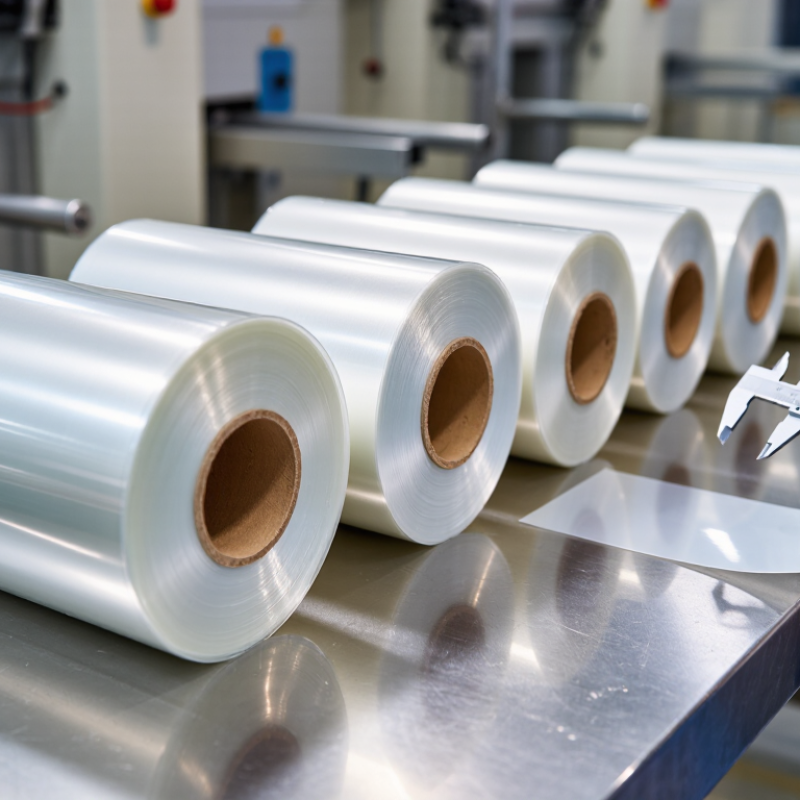
PVC wearlayer is the clear protective surface applied over printed flooring designs. It shields the pattern from abrasion, stains, moisture, and daily foot traffic. In practical terms, it is the floor’s first line of defense. A busy hallway may face thousands of shoe contacts each week. Without a suitable wearlayer, the printed image can lose clarity quickly. Its thickness matters, but thickness alone does not guarantee performance.

A reliable specification should include thickness, abrasion resistance, surface treatment, transparency, and UV stability. These details help buyers compare materials objectively. During flooring inspections, uneven gloss and small cloudy areas often reveal weak production control. Good suppliers should provide test reports, batch records, and clear tolerances. Ask how the film performs after repeated cleaning, not only how it looks in a sample room. Appearance can mislead.

Installation conditions also affect service life. Dust under the surface may create visible points and weak adhesion. Excessive heat can distort some PVC structures. I have seen attractive flooring fail because the substrate was poorly prepared. That is an uncomfortable but important lesson. Global buyers should review technical data, regulatory documents, and quality procedures before placing large orders. A balanced wearlayer supports safer cleaning, longer visual durability, and fewer replacement cycles. Still, no material is maintenance-proof. Proper installation and realistic traffic expectations remain essential.

PVC Wear Layer Thickness and Typical Flooring Use

The wear layer is the transparent protective PVC surface above the printed design layer. Greater thickness generally improves resistance to abrasion, scuffing, and traffic, making thicker wear layers more suitable for commercial and heavy-use environments. Values shown in mils are converted from millimeters using 1 mm = 39.37 mil.

Key Criteria for Evaluating Global PVC Wearlayer Suppliers

7 Best PVC Wearlayer Suppliers for Global Buyers

Key Criteria for Evaluating Global PVC Wearlayer Suppliers

Global PVC wearlayer buying requires more than comparing thickness and price. Grand View Research valued the global vinyl flooring market at about USD 40.8 billion in 2023, with strong growth expected through 2030. This expansion increases supplier choices, but also increases quality variation. Thickness alone misleads. Request abrasion results, surface gloss data, dimensional stability records, and batch-level traceability. A 0.55 mm layer should perform consistently, not only appear impressive in a sample book.

I assess wear resistance against ISO 10582 or equivalent ASTM methods. I also review production controls, calibration records, and third-party laboratory reports. SGS research on flooring testing highlights recurring risks involving chemical emissions, slip resistance, and inconsistent product declarations. Therefore, suppliers should provide VOC test results, REACH-related documentation, and technical data sheets in clear English. Ask for samples from current production, not old showroom stock. That small detail matters.

Capacity needs practical checking. Confirm minimum order quantities, roll widths, lead times, packaging protection, and replacement procedures. The Freedonia Group’s flooring industry analysis identifies renovation and commercial construction as important demand drivers, where delivery reliability affects project costs. I would also inspect how suppliers handle complaints. Slow replies are not proof of poor manufacturing, but they reveal weak accountability. My own evaluation would not rely on one audit; factories can improve briefly before inspection. A repeat test is wiser, although buyers sometimes skip it under deadline pressure.

Seven Leading PVC Wearlayer Suppliers for International Buyers

Seven leading PVC wearlayer suppliers for international buyers should be judged by performance, consistency, and service rather than price alone. Experienced buyers often compare flooring-grade films by thickness, abrasion resistance, surface texture, gloss, and color stability. Common thicknesses range from 0.2 to 0.7 millimeters. Embossed samples can reveal surface depth, clarity, and slip behavior more clearly than digital images. Ask each supplier for technical data, production samples, and recent test records.

A dependable supplier should explain resin selection, printing accuracy, roll width, packaging, and lead times. Batch traceability matters when large orders cross several markets. Independent testing can support claims about wear resistance and chemical performance. Buyers should also confirm documentation for applicable safety and environmental requirements. No supplier is flawless. A sample may perform well, while bulk production shows minor shade or thickness variation. That risk deserves honest discussion before signing a contract.

Tips: Request samples from all seven suppliers. Test them under similar conditions. Check the core, edges, and printed layer. Ask how rejected rolls are handled. Confirm whether replacement terms are written clearly. Keep one approved reference sample for future inspections. Small details matter.

Supplier Comparison by Quality, Customization, Capacity, and Price

7 Best PVC Wearlayer Suppliers for Global Buyers

A practical supplier comparison should measure quality, customization, capacity, and price together. Grand View Research’s 2024 luxury vinyl flooring report forecasts strong market growth through 2030. That growth increases pressure on suppliers to prove consistency, not merely offer low quotations. For seven shortlisted suppliers, inspect wear-layer thickness, coating uniformity, gloss retention, and abrasion performance. A 0.30 mm layer may suit residential rooms, while busy commercial areas often require 0.50 mm or more. Ask for recent EN 660 or equivalent abrasion-test records. Certificates alone are not enough.

Customization separates capable manufacturers from traders. Compare color matching, embossing depth, surface texture, roll width, and minimum order quantities. Capacity should include monthly output, curing time, inspection staffing, and backup production lines. Industry purchasing reports frequently identify lead-time reliability as a major sourcing risk. A supplier promising 500,000 square meters monthly may still struggle during peak seasons. Price must include tooling, packaging, testing, freight, and rejected-material allowances. My comparison is not perfect; public capacity figures can be optimistic.

Tips: Request three production samples from different batches. Measure thickness with a calibrated gauge. Rub the surface after cleaning, not before. Check whether the quoted price includes custom color development. A cheaper wear layer can become expensive after installation complaints. Allow a small pilot order before signing annual volume commitments.

7 Best PVC Wearlayer Suppliers for Global Buyers - Supplier Comparison by Quality, Customization, Capacity, and Price

Comparison basis: The figures below are anonymized, indicative industry benchmarks for PVC wear-layer film suppliers. Actual specifications, pricing, certifications, minimum order quantities, and lead times should be confirmed through a formal quotation and technical audit.
Rank Anonymized Supplier Profile Quality Capability Customization Typical Capacity Indicative Price Typical MOQ Lead Time Common Compliance Support Best Fit
1 Profile A — Large Integrated Export Manufacturer
Asia-Pacific production base
High consistency; thickness tolerance commonly around ±0.02–0.03 mm; suitable for embossed flooring structures. 0.10–0.70 mm thickness; custom widths, gloss levels, embossing, color matching, and UV-resistant formulations. Approximately 20–40 million m² per year. US$0.85–2.40/m², depending on thickness, resin system, finish, and order volume. 5,000–10,000 m² per color or specification. 25–40 days for repeat orders; longer for new tooling or formulations. ISO 9001 support; technical files for REACH, RoHS, heavy-metal, and phthalate requirements may be available. Large flooring programs, private-label production, and multinational buyers.
2 Profile B — Premium Calendered Film Specialist
European production base
Very high surface uniformity, optical clarity, and print definition; strong process control for premium decorative layers. Specialized textures, low-gloss and super-matt finishes, narrow thickness tolerances, and custom decorative printing. Approximately 8–18 million m² per year. US$1.60–3.80/m² for premium grades and smaller production runs. 2,000–5,000 m² per specification. 35–60 days, including artwork approval and production scheduling. ISO 9001 is common; support for indoor-air-emission testing and EU chemical compliance is typically available. Premium residential flooring, design-led collections, and demanding visual applications.
3 Profile C — High-Volume Cost-Optimized Producer
Asia-Pacific production base
Reliable commercial quality; standard grades are optimized for repeatability and competitive cost rather than highly complex finishes. Standard thicknesses, widths, colors, and embossing patterns; moderate flexibility for custom designs. Approximately 30–60 million m² per year. US$0.65–1.65/m² for standard commercial grades. 10,000–20,000 m² per specification. 20–35 days for standard items. Basic product test reports; documentation for REACH, RoHS, and restricted substances should be requested per shipment or batch. Large-volume importers, value-oriented flooring, and standardized product ranges.
4 Profile D — Flexible Mid-Sized Custom Manufacturer
Southeast Asian production base
Good balance of visual quality, mechanical performance, and batch flexibility; suitable for mid-range flooring products. Custom colors, widths, surface effects, calendered films, and selected wear-resistance packages. Approximately 6–15 million m² per year. US$0.90–2.20/m², depending on design complexity and resin content. 2,000–6,000 m² per specification. 30–50 days for customized products. ISO 9001 or equivalent quality documentation; third-party testing can usually be arranged. Regional distributors, medium-sized brands, and buyers requiring lower MOQs.
5 Profile E — Sustainable-Formulation Developer
North American or European production base
Strong formulation development, recycled-content integration, and low-emission product support; performance depends on recycled feedstock ratio. Recycled or mass-balance options, low-VOC formulations, custom thickness, color, and surface finish. Approximately 4–12 million m² per year. US$1.40–3.20/m², reflecting formulation development and certification costs. 3,000–8,000 m² per specification. 40–70 days for new sustainable formulations; 25–45 days for approved products. Environmental declarations, recycled-content evidence, low-emission testing, and chemical compliance may be available upon request. Green-building projects, environmentally focused flooring lines, and specification-driven tenders.
6 Profile F — Rapid-Prototyping and Small-Batch Supplier
Regional export manufacturer
Consistent standard grades with strong sampling support; production scale is more limited than large integrated manufacturers. Low-volume color matching, digital artwork trials, sample rolls, custom widths, and short-run embossing. Approximately 2–8 million m² per year. US$1.10–2.80/m²; smaller runs generally carry higher unit costs. 500–2,000 m² per specification. 15–30 days for samples; 25–45 days for regular production. Product test reports and common restricted-substance declarations; independent testing is advisable for regulated markets. Start-ups, product development teams, seasonal collections, and trial orders.
7 Profile G — Integrated Flooring-Component Producer
Middle East, Eastern European, or regional production base
Good application knowledge because wear layers are developed alongside flooring structures; strongest in standard and mid-range specifications. Compatible wear layers for click, glue-down, and loose-lay systems; moderate options for texture, gloss, and decorative design. Approximately 5–15 million m² per year. US$0.95–2.10/m² for standard to mid-range specifications. 3,000–10,000 m² per specification. 30–55 days, subject to production load and export documentation. Technical data sheets, flooring-system test support, and regional regulatory documentation are commonly available. Flooring manufacturers seeking matched components and shorter regional supply routes.
Buyer checklist: Confirm wear resistance, thickness tolerance, surface treatment, dimensional stability, print adhesion, UV resistance, phthalate status, VOC emissions, packaging format, Incoterms, and batch traceability before placing an order.

How Global Buyers Can Select and Purchase the Right Supplier

Global buyers should judge PVC wear layer suppliers by verified performance, not polished brochures. Request technical data for thickness, roll width, surface treatment, wear resistance, color tolerance, and backing compatibility. Then compare those figures with your flooring design and local installation conditions. Small details matter.

Ask for production samples from current batches. Inspect them under strong light for pinholes, uneven gloss, edge damage, and color variation. Independent testing can confirm abrasion resistance, dimensional stability, fire behavior, and chemical resistance. Check whether test reports match the exact product code, not a similar sample. That mistake is common.

A reliable supplier should explain raw material control, batch traceability, packing methods, and complaint handling. Request a factory audit, either in person or through an qualified inspection agency. Review equipment maintenance records and quality checkpoints. Also confirm minimum order quantities, lead times, payment terms, shipping documents, and acceptable claim procedures before purchasing.

Price deserves careful attention. An unusually low quote may exclude testing, protective film, inland freight, or replacement costs. Ask for a complete landed-cost calculation. No checklist is perfect. A supplier may pass one audit and still struggle during peak production. Start with a controlled trial order, record actual delivery performance, and keep approval criteria written and measurable. That creates useful evidence before a larger commitment.

Article Source:

Scroll to Top