2026 Best Shop Packaging Ideas for Effective Business Growth?
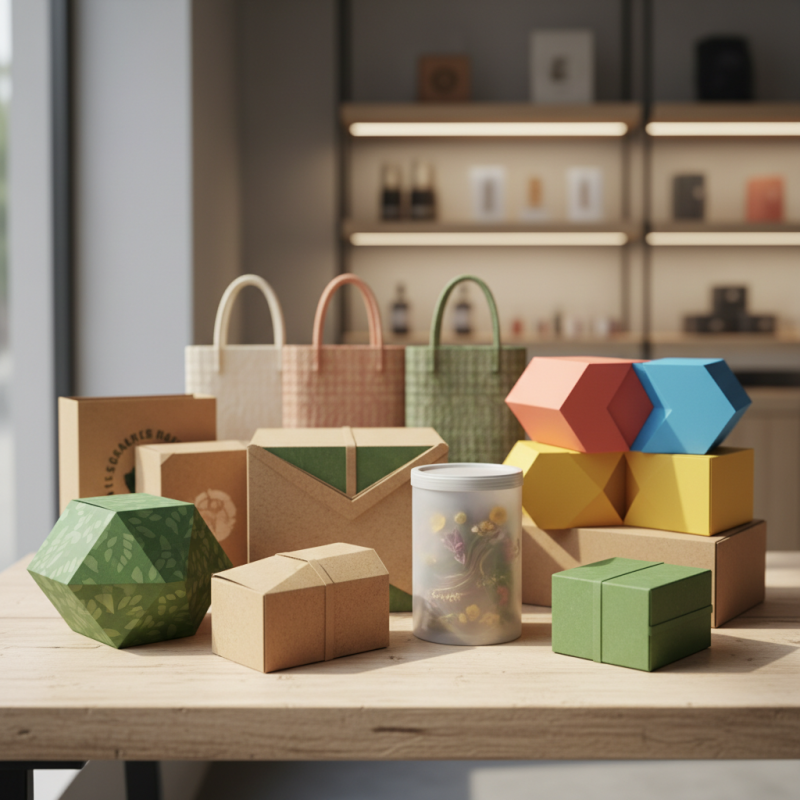
In the world of retail, shop packaging plays a crucial role in business growth. Effective packaging helps brands stand out in a crowded market. Unique designs and materials grab customer attention instantly. A well-thought-out shop packaging can enhance the user experience and foster loyalty.
Consider the variety of options available. Eco-friendly materials are trending, appealing to conscious consumers. Bright colors and creative shapes can attract impulse buyers. However, not every idea will resonate equally with your audience. It is essential to test different concepts and gather feedback.
Mistakes can happen; a beautiful design might not communicate the brand's message effectively. This is an opportunity for reflection. Continuous adjustment based on customer responses can lead to better results. Shop packaging is not just about aesthetics; it's an effective strategy for driving growth.
2026 Trends in Eco-Friendly Shop Packaging for Sustainable Growth
The trend of eco-friendly shop packaging is gaining momentum. Businesses are now prioritizing sustainability in their packaging choices. Customers are becoming more aware of environmental issues. They seek brands that reflect their values.
Biodegradable materials are one option that many retailers are exploring. These materials break down more quickly than traditional plastics. However, not all biodegradable options are created equal. Some still leave a residue that can harm the environment. Businesses need to research and choose wisely.
Another popular choice is reusable packaging. This promotes a circular economy. Customers can return the packaging for discounts or incentives. Yet, the infrastructure for such systems is not widely established. Miscommunication can lead to customer frustration. Striking the right balance between convenience and sustainability remains a challenge for many.
Innovative Packaging Designs That Enhance Customer Experience and Retention
Innovative packaging designs play a vital role in enhancing customer experience and retention. One approach is to use unique shapes that stand out. A box shaped like a product gives customers a preview before opening. Such surprises create excitement and build anticipation. Bright colors and appealing graphics can also draw attention on crowded shelves. Simple yet eye-catching designs can be a game-changer.
Material choices invite reflection too. Eco-friendly packaging resonates with many consumers today. It's not just an option; it’s becoming a necessity. However, balancing sustainability with durability remains a challenge. Sometimes, these choices can be expensive and not universally understood. Striking a balance between cost and customer appeal is crucial.
Personalization in packaging is another trend. Customized messages or designs enhance the emotional connection with customers. Yet, implementing this can be complex for businesses with high volume orders. There might be a risk of inconsistency. Finding the right technology for scalability while keeping a personal touch is still a work in progress. Adapting to these trends can lead to better retention, but it requires thoughtful execution and continuous improvement.
2026 Best Shop Packaging Ideas for Effective Business Growth
This chart illustrates the effectiveness of various packaging ideas in enhancing customer experience and retention. The data reflects the percentage of consumers who reported increased satisfaction due to innovative packaging designs.
Leveraging Smart Packaging Technologies for Increased Brand Visibility
Smart packaging technologies are revolutionizing how brands connect with consumers. These innovative solutions enhance both functionality and aesthetics. Imagine a box that changes color when exposed to sunlight! This type of packaging not only attracts attention but also serves as a conversation starter. Customers love sharing unique experiences online, amplifying your brand visibility.
Tips: Use QR codes on packaging to engage customers. When scanned, these codes can lead to exclusive content or promotions. It’s a simple way to add value and create a bond with your audience.
Interactive packaging also works wonders. Think about incorporating elements like augmented reality. This adds a layer of excitement and information. Customers appreciate knowing more about what they purchase. However, it can be tricky. Make sure the technology is user-friendly. Frustration can lead to a negative experience.
Consider sustainable materials as well. Eco-friendly packaging appeals to conscious consumers. Yet, striking a balance between sustainability and durability can be challenging. Always reflect on your choices; consumers notice authenticity.
2026 Best Shop Packaging Ideas for Effective Business Growth
| Packaging Type |
Material |
Sustainability Rating |
Cost (per unit) |
Brand Visibility Score |
| Biodegradable Bags |
PLA (Polylactic Acid) |
A+ |
$0.15 |
8.5 |
| Recyclable Boxes |
Cardboard |
A |
$0.20 |
9 |
| Custom Printed Sleeves |
Paper |
B |
$0.30 |
9.5 |
| Glass Containers |
Glass |
A+ |
$0.50 |
8 |
| Flexible Pouches |
Plastic |
C |
$0.10 |
7 |
Cost-Effective Packaging Solutions: Balancing Quality and Business Growth
Cost-effective packaging is vital for business growth. Many companies struggle to find a balance between quality and budget. In today's market, customers expect attractive and functional packaging. However, crafting a stunning package doesn't need to break the bank.
Tips for balancing quality and cost:
- Use eco-friendly materials. They appeal to conscious consumers. Plus, they often reduce overall costs.
- Experiment with different shapes and sizes. Unique designs can capture attention without high expenses.
- Think about bulk purchasing. Buying in larger quantities may save money in the long run.
Reflection is important. Many businesses underestimate the impact of packaging. It reflects your brand's values. If it's too flimsy, customers might feel cheated. If it looks cheap, they might question your product’s quality. Aim for packaging that tells a story but remains within budget.
With thoughtful strategies, achieving cost-effective, quality packaging is possible.
The Impact of Custom Packaging on Consumer Buying Behavior and Loyalty
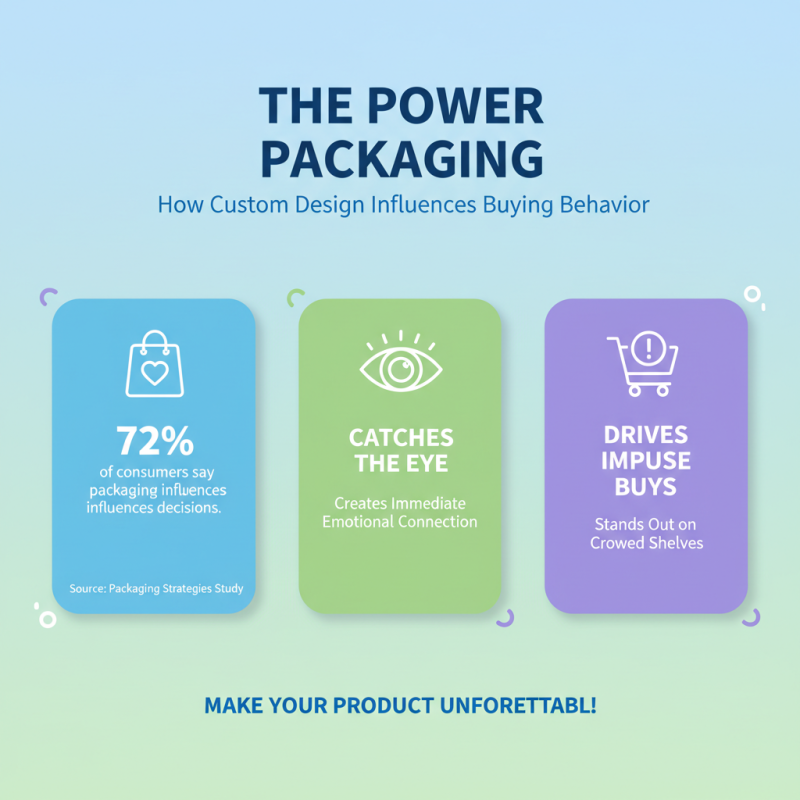
Custom packaging plays a significant role in shaping consumer buying behavior. According to a recent study by Packaging Strategies, nearly 72% of consumers say that packaging design influences their purchasing decisions. Attractive packaging can catch a shopper's eye and create an immediate emotional connection. This connection often leads to impulse buys, especially when a product stands out on a crowded shelf.
Moreover, packaging affects brand loyalty. A survey by Ipsos found that 70% of consumers are more likely to repurchase a product that they remember for its unique packaging. When companies invest in custom designs, they provide a memorable unboxing experience. However, not all packaging efforts succeed. Some consumers feel overwhelmed by excessive packaging or find it unpractical. This backlash can lead to negative perceptions of a brand, underlining the need for thoughtful packaging strategies.
Numbers show that sustainable packaging is gaining traction. Close to 70% of consumers prefer brands that prioritize eco-friendly packaging. This trend highlights a need for businesses to adapt. Failing to consider consumer preferences might jeopardize their loyalty. Brands must continually assess the effectiveness of their packaging choices to remain competitive in the market.