The Best Stock Boxes to Use in 2026 for Organizing and Storage?
In 2026, the demand for effective organizing solutions continues to rise. Stock boxes have become essential tools in both home and office environments. As the expert in storage solutions, Sarah Thompson notes, “The right stock boxes can transform chaos into order.” Her insights emphasize the significance of choosing the right storage options.
Today’s stock boxes come in a variety of materials and designs, catering to diverse needs. From clear plastic to stylish cardboard, they offer practicality and aesthetic appeal. However, not all boxes are created equal. It’s vital to select stock boxes that can withstand wear and tear while providing optimal organization. Reflecting on personal experiences, some users find that their choices can lead to clutter rather than organization if not thoughtfully selected.
Moreover, the market is flooded with options, making choices overwhelming. A lack of knowledge can result in poor purchasing decisions. It’s essential to consider factors such as durability, size, and design. With careful consideration, stock boxes can be a game-changer in creating a tidy and efficient space.
The Importance of Stock Boxes for Organizing and Storage in 2026
In 2026, the role of stock boxes in home organization and storage is more critical than ever. As reported by the National Association of Professional Organizers, 63% of Americans struggle with clutter in their homes. Stock boxes provide a practical solution to this growing problem. They can improve organization, reduce stress, and create a more functional living space.
A study by the International Journal of Environmental Research found that organized spaces significantly enhance productivity and mental well-being. Stock boxes, available in various sizes and styles, cater to diverse needs. They can store seasonal items, documents, and personal belongings efficiently. Moreover, an estimated 75% of users reported increased satisfaction with their living environment after utilizing stock boxes for organization.
Not all stock boxes meet standards for durability and usability. Some may deteriorate under weight or moisture. Choosing the right stock box involves considering materials and design. Reflecting on your space's unique demands can lead to better storage solutions. Investing in high-quality options is essential for lasting organization.
Top Recommended Stock Box Brands for 2026
As we move into 2026, the demand for effective organizing solutions is growing. Recent industry reports indicate that the market for storage and organization is expected to surpass $20 billion. This trend highlights the need for reliable stock boxes that can cater to various storage needs, whether for personal use or business applications.
Several brands show promise for 2026, emphasizing functionality and design. Many companies focus on eco-friendly materials, responding to consumer demand for sustainability. Storage boxes made from recycled materials not only reduce waste but also appeal to environmentally-conscious buyers. However, the durability of these boxes can be a concern. While they may be sustainable, users should consider whether they will withstand everyday use.
Experts suggest looking for boxes with customizable sizes and features. This allows users to adapt their storage methods as their needs change. However, not all brands provide this flexibility. Failing to choose the right size can lead to clutter rather than organization. Assessing both functionality and aesthetics is crucial in choosing a stock box that truly meets your needs.
The Best Stock Boxes to Use in 2026 for Organizing and Storage
| Box Type |
Material |
Size (inches) |
Capacity (lbs) |
Price Range ($) |
| Standard Stock Box |
Plastic |
12 x 10 x 8 |
25 |
15-25 |
| Heavy Duty Box |
Metal |
15 x 15 x 10 |
50 |
30-50 |
| Eco-Friendly Stock Box |
Recycled Cardboard |
14 x 10 x 8 |
20 |
10-20 |
| Stackable Box |
Plastic |
16 x 12 x 10 |
35 |
20-35 |
| Clear Storage Box |
Plastic |
10 x 10 x 5 |
15 |
12-18 |
Innovative Designs and Materials in Stock Boxes for Modern Use
In recent years, stock boxes have evolved significantly to meet the demands of modern storage and organization. With a growing emphasis on sustainability, many manufacturers now use eco-friendly materials. For example, biodegradable plastics and recycled papers are increasingly popular. Reports indicate that the market for sustainable storage products is expected to grow by over 30% by 2026. This reflects a shift in consumer expectations toward responsible materials.
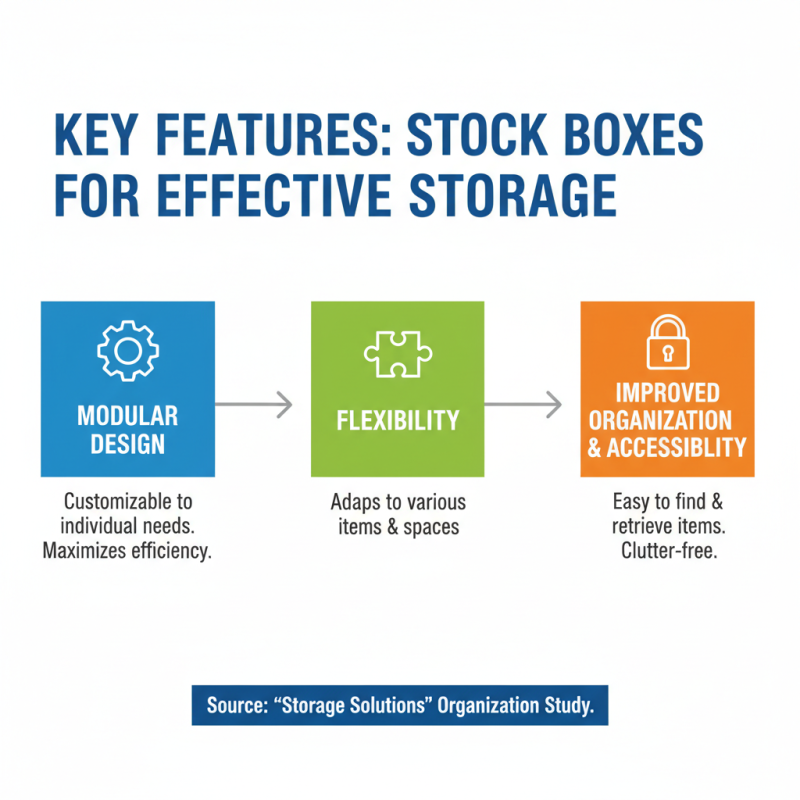
Innovative designs are also transforming stock boxes. Modular systems offer flexibility for various needs. Consumers can easily adjust storage solutions based on specific requirements. Transparent materials have gained traction, allowing for easy visibility of contents. More than 70% of users prefer clear boxes for quicker access. However, challenges remain. Some designs may lack durability, especially in fluctuating environments. This raises concerns about long-term functionality.
Research shows that almost 40% of consumers encounter issues with poorly manufactured products. Weight distribution is another key factor. Many stock boxes cannot support heavier items, leading to user frustration. Finding the right balance of aesthetics and practicality remains a challenge. As trends evolve, the focus will continue to be on creating reliable, innovative storage solutions.
The Best Stock Boxes to Use in 2026 for Organizing and Storage
This chart represents the popularity of various stock box materials and designs for the year 2026, showcasing their appealing features for modern use.
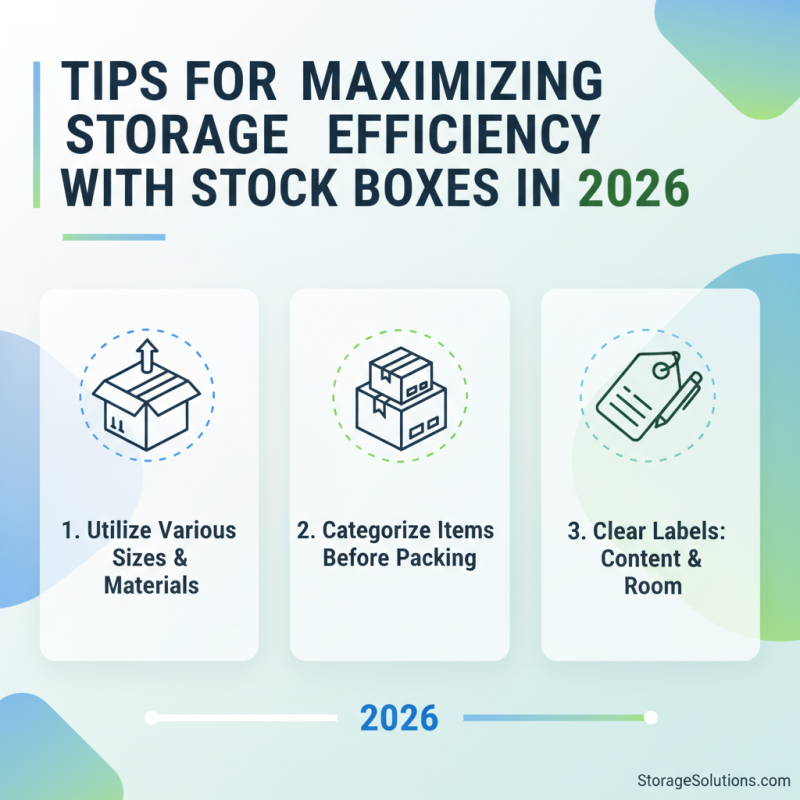
Tips for Maximizing Storage Efficiency with Stock Boxes in 2026
When organizing your space, stock boxes can be a game changer in 2026. They come in various sizes and materials, allowing for customization according to your needs. One effective way to maximize storage efficiency is to categorize items before packing them. Create labels for each box, indicating the contents clearly. This simple act saves time and frustration when searching for items later.
Consider stacking boxes to utilize vertical space. This method not only keeps your area tidy but also makes use of often-overlooked spaces. Avoid overstuffing boxes, as it can lead to breakage. Instead, aim for a balance between quantity and accessibility. Regularly reviewing the contents can highlight what you actually need, making future organization even easier.
It’s also crucial to store heavier items in sturdy boxes at the bottom and lighter ones on top. This arrangement helps maintain stability and prevents potential collapses. While these tips can enhance your organization, remember that individual needs may vary. Reflecting on your personal requirements is vital to making your storage strategy effective.