China Best Folding Cartons for Packaging Solutions What You Need to Know
In the world of packaging, folding cartons stand out as a practical solution. They offer versatility and efficiency in design. These cartons can be customized to fit various products, enhancing both protection and aesthetics.
Folding cartons are widely used in many industries, from cosmetics to food packaging. Their ability to be easily folded and assembled makes them an ideal choice. However, not all folding cartons are created equal. Quality and sustainability are key factors to consider when selecting a supplier.
When sourcing folding cartons in China, look for manufacturers with a solid track record. Experienced providers will offer innovative design options and superior materials. They should also demonstrate a commitment to environmentally friendly practices. Being mindful of these details ensures your packaging not only looks great but also meets market demands.
Overview of Folding Cartons in China’s Packaging Industry
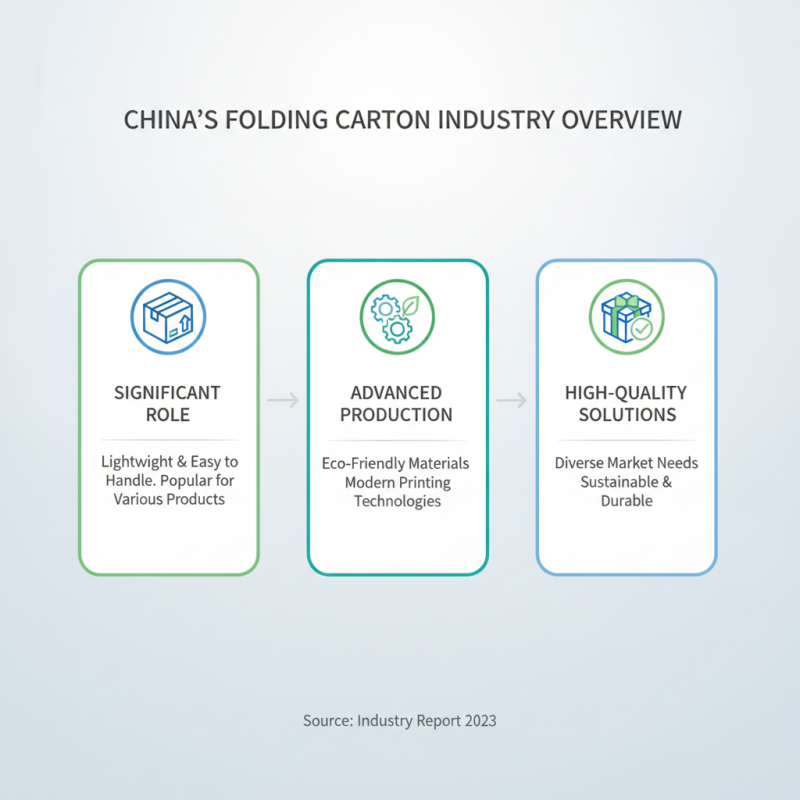
Folding cartons play a significant role in China’s packaging industry. They are lightweight and easy to handle, making them a popular choice for various products. The production process in China is advanced, utilizing eco-friendly materials and modern printing technologies. This has led to high-quality packaging solutions that cater to diverse market needs.
Tips: When selecting folding cartons, consider the size and weight of your products. Choose materials that align with your brand values, especially if sustainability is a focus.
Folding cartons can vary in design and functionality. Customization options are available, from unique shapes to vibrant graphics. It’s essential to balance aesthetics with practicality. While appealing designs attract consumers, packaging must also protect the product. Reflect on previous designs that may not have performed well. Learning from these experiences can lead to better choices in the future.
Tips: Don’t overlook the importance of testing packaging prototypes. This helps in identifying weaknesses in design and functionality. Always seek feedback to refine your choices.
Key Materials Used in Manufacturing Folding Cartons
When it comes to folding cartons, the materials used are crucial for packaging quality.
Paperboard is the most common choice. It offers strength and versatility.
Various types of paperboard serve different needs. For instance, coated paperboard
is often used for its sleek finish. This finish can enhance the visual appeal of your products.
In addition, you might encounter corrugated cardboard.
It provides extra durability and is great for shipping. This material is lightweight, yet strong enough to protect contents during transit.
It’s also biodegradable. Many companies prefer it for environmentally friendly packaging.
Tips: Always evaluate the purpose of your packaging. If your products will be shipped frequently,
opt for a sturdier material. Understand your market's preferences. A well-chosen material can boost your brand image.
Finding the right balance between cost and quality is challenging. Consider testing different materials to see which works best for your needs.
Advantages of Using Folding Cartons for Packaging Solutions
Folding cartons are a popular choice in the packaging industry. Their versatility offers numerous advantages for businesses. First, they are lightweight yet sturdy. This combination reduces shipping costs while ensuring product protection.
One major benefit is sustainability. Many folding cartons are made from recycled materials. After use, they are recyclable as well, contributing to a circular economy. Consumers today appreciate eco-friendly packaging, which can enhance a brand's image. However, businesses should be mindful of sourcing materials responsibly.
Tips for using folding cartons: Always consider the design. An engaging visual presentation can attract customers. Make sure the cartons maintain structural integrity to avoid damage.
Test your packaging under various conditions to ensure reliability. Over time, reflect on your choices, as packaging should evolve with consumer preferences.
Factors to Consider When Choosing Folding Cartons
Choosing the right folding cartons for packaging requires careful consideration. Understanding materials is essential. Many businesses rely on paperboard thickness and type, which affects durability and design. A 2021 report from Smithers predicts the global folding carton market will reach $202 billion by 2027. Quality options are essential for staying competitive.
Design and printing capabilities matter. You want a carton that showcases your product. Bright colors and clear graphics attract consumers. Research shows that packaging influences 72% of purchasing decisions. Choosing a vendor with advanced printing technology ensures high-quality output.
Sustainability is another key factor. Eco-friendly materials are more appealing to consumers. A survey found that 66% of global consumers are willing to pay more for sustainable products. However, some companies overlook sustainable options due to perceived costs. Balancing cost, quality, and environmental concerns can be challenging yet critical for long-term success.
Factors to Consider When Choosing Folding Cartons
Leading Manufacturers and Suppliers of Folding Cartons in China
When exploring folding carton solutions, understanding top manufacturers in China is crucial. These companies offer various styles and materials that cater to different packaging needs. Quality is paramount, and not all suppliers maintain the same standards. Researching customer reviews can provide insights into reliability and service quality.
Many manufacturers in China specialize in eco-friendly options. This trend aligns with global sustainability efforts. However, it's essential to verify the source and production methods. Some suppliers may claim sustainability without proper certifications. Additionally, the choice of material affects durability and design.
Working with the right supplier requires diligence. Look for partnerships that prioritize transparency and communication. A supplier’s ability to adapt to your specific requirements is vital. Be prepared for potential challenges, such as lead times and minimum order quantities. Always seek a thorough understanding of their processes to ensure a successful collaboration.