How to Choose the Best Automatic Baler Machine at Canton Fair 2026?
Choosing the right Automatic Baler Machine can be a challenging task, especially at the bustling Canton Fair 2026. This highly anticipated event, taking place from April 15 to May 5, will showcase innovative machinery designed for today's manufacturing needs. With a focus on advanced manufacturing, the fair provides a perfect platform for buyers to explore various options.
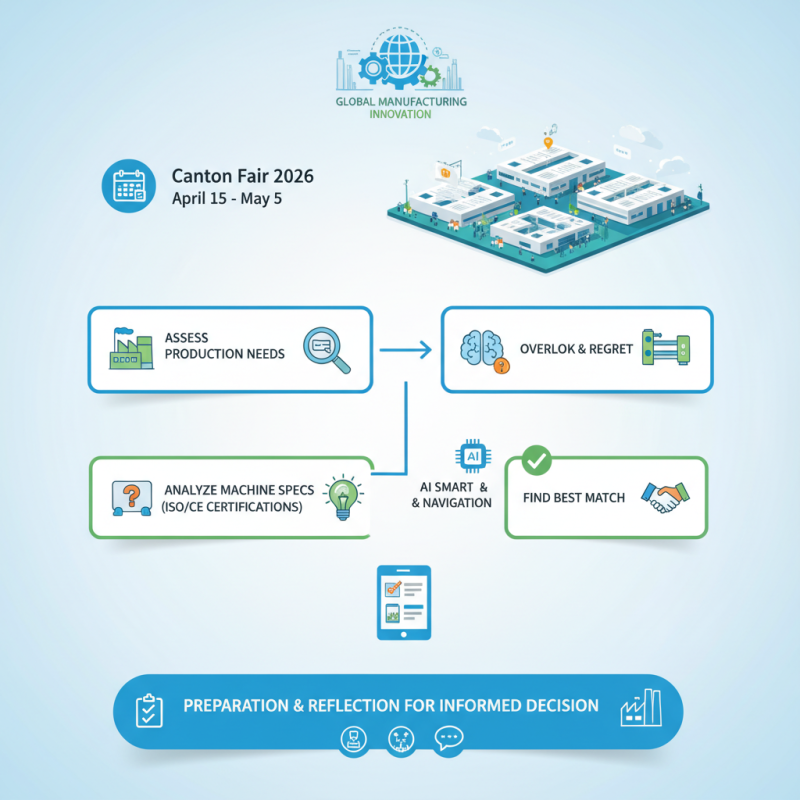
Navigating the vast 1.55 million square meters of exhibition space can be overwhelming. Fortunately, the introduction of AI smart search and navigation tools enhances the buyer's experience. You can quickly filter suppliers based on specific qualifications like ISO and CE certifications. This technology can save time and help you find the best Automatic Baler Machine suited to your requirements.
However, it's essential to approach your selection process thoughtfully. Assessing your production needs and the machine's specifications is crucial. Many buyers overlook this step and later regret their decisions. The wide variety of choices means that careful consideration is necessary to avoid mistakes. Hence, preparation and reflection will guide you in making a well-informed decision.
Understanding Automatic Baler Machines: Key Features and Specifications
When choosing an automatic baler machine, understanding its key features is crucial. Look for machines with robust construction. Durability matters. A strong frame and quality components ensure longevity. Pay attention to the baler’s capacity. It determines how much material can be processed at once. This feature affects your overall efficiency greatly.
Another essential specification is the compression ratio. A higher ratio means more compact bales. This factor is significant for storage and transport. Examine the machine's cycle time as well. Faster cycle times lead to better productivity. However, too fast can sacrifice quality. Finding balance is key.
Don't forget about user-friendliness. Controls should be intuitive, allowing operators to learn quickly. Safety features also matter. Emergency stops and protective guards are vital for protecting users. Additionally, evaluate the after-sales service. Support can make a big difference if problems arise. Be wary of overly complex machines. Sometimes simplicity is more effective than advanced features.
How to Choose the Best Automatic Baler Machine at Canton Fair 2026?
| Feature | Specification |
| Baling Method | Horizontal or Vertical |
| Bale Size | Customizable - e.g., 1100x1100 mm |
| Press Force | Up to 200 tons |
| Cycle Time | 20 seconds per bale |
| Energy Efficiency | 75% efficiency rating |
| Loading Method | Automatic or Manual |
| Safety Features | Emergency Stop, Safety Guards |
| Material Compatibility | Paper, Plastic, Textile, etc. |
| Control System | PLC Control with Touch Screen |
| Weight | Approx. 6000 kg |
Assessing Your Business Needs: Determining the Right Baler Size and Capacity
When choosing an automatic baler machine, understanding your business needs is crucial. Assessing the right baler size and capacity is not straightforward. Many businesses overlook this step. For instance, the average capacity for a mid-sized baler typically ranges between 1 to 2 tons per hour. If your production needs exceed this, you will face operational challenges.
Consider the materials you process. Cardboard, plastics, and metals each have unique characteristics. A baler must effectively compact these materials to optimize space. Moreover, the market reports show that 70% of businesses who misjudge their baler's capacity end up with inefficiencies. This can lead to increased costs and lower productivity.
While many factors influence your decision, size and capacity remain paramount. Not all machines perform equally under pressure. A machine that's too small will require higher labor effort and maintenance. Conversely, an oversized baler can waste resources and initially seem overkill. Striking a balance between these aspects is essential for maximizing performance and minimizing waste. Ensure to reflect on your current and future production goals to make an informed choice.
Evaluating Manufacturer Reputation: Importance of Quality and Support
When attending the Canton Fair 2026, assessing manufacturer reputation is crucial. A brand’s history reveals its commitment to quality. Research their background and years in the industry. Reliable manufacturers often showcase their experience prominently.
Quality of support is essential too. Potential buyers should examine customer service options. Are they responsive? Do they offer thorough training? Consider visiting their booth for direct communication. Engage with their staff to gauge their knowledge.
Testimonials from previous clients can provide insights. Look for feedback on performance and reliability. While everyone claims quality, real experiences matter. Be cautious if reviews are overwhelmingly positive; they might not reflect reality. Balers are a significant investment. Choose wisely to ensure durability and support.
Evaluating Manufacturer Reputation: Importance of Quality and Support
Comparing Costs: Budgeting for Purchase and Long-Term Maintenance
When attending the Canton Fair 2026, budgeting for an automatic baler machine is crucial. The initial purchase cost can vary widely depending on features and capacity. It's essential to evaluate what you truly need. The price tag should not be the only factor in your decision.
Long-term maintenance is another significant cost to consider. Regular upkeep often gets overlooked. Factors like availability of parts and service can impact your wallet later on. Try to estimate these costs accurately. Some machines provide low upfront costs but incur high maintenance fees.
A practical approach is essential. Analyze the machine’s efficiency and durability. Talk to other users at the fair to gain insights. Their experiences can uncover unexpected costs. Make sure you have a clear financial picture before making a commitment.
Exploring Innovations: Latest Technologies in Automatic Baler Machines
At the Canton Fair 2026, innovations in automatic baler machines will be front and center. You'll see a range of sleek designs and advanced features. These machines are now equipped with smart technology, allowing for greater efficiency and ease of use. Real-time monitoring can reduce downtime. This could transform how businesses handle waste and recycling.
When selecting a machine, consider the specific materials you will be processing. Different balers excel with various materials, like cardboard or plastics. Pay attention to the bale size and weight—this can impact transportation costs. Some machines offer adjustable settings, but they may not be user-friendly. Therefore, test the technology firsthand; ensure you are comfortable with the operation.
There are also challenges to weigh. Not all innovations guarantee reliability. Some newer models may face teething problems, impacting your production. It's wise to gather feedback from other users. Do they face issues? What works well for them? Finding a balance between cutting-edge features and proven performance is crucial.