How to Choose the Best Clear Structural Silicone Sealant?
Selecting the right Clear Structural Silicone Sealant can be a challenging task. Experts in the industry emphasize the importance of making an informed choice. For example, Jane Smith, a leading expert in silicone technologies, once stated, “The right sealant is key to the durability of any structure.” Her insight highlights the critical role that sealants play in structural integrity.
When choosing a Clear Structural Silicone Sealant, you must consider several factors. The sealant’s adhesion, flexibility, and weather resistance are crucial. These attributes help ensure that your projects withstand time and environmental changes. Remember, not all sealants offer the same level of protection. Some might fail sooner than expected, leading to costly repairs or replacements.
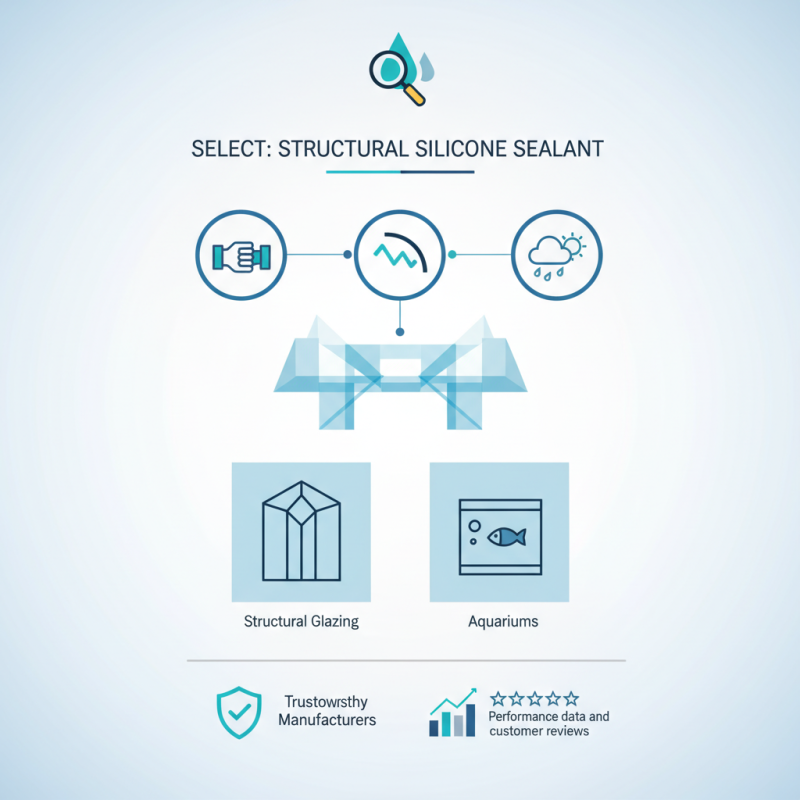
Understanding the specific application of your sealant is essential. For instance, structural glazing or aquariums might require different characteristics. Furthermore, be wary of brands that make extravagant claims without evidence. Trustworthy sealants should come from reputable manufacturers with proven track records. Evaluate performance data and customer reviews before making your decision.
Understanding Clear Structural Silicone Sealant Properties
When selecting a clear structural silicone sealant, understanding its properties is crucial. These sealants typically exhibit excellent adhesion to various substrates. According to a report by the Specialty Chemicals Market, over 70% of construction industry professionals prefer using silicone for its durability and flexibility. This makes it ideal for both indoor and outdoor applications where movement may occur.
Key properties include UV resistance and waterproofing. Silicone sealants can withstand extreme temperatures, ranging from -60°F to 300°F. Their elasticity allows for accommodating structural movements without compromising the seal. The American Architectural Manufacturers Association states that a high-quality silicone sealant can maintain its integrity for up to 20 years. However, applying these products correctly is essential; improper application can lead to failure, such as peeling or cracking.
Additionally, consider the curing time. While some options cure quickly, others may take longer, impacting project timelines. It is essential to evaluate your specific needs and locality when choosing. Not every product suits every environment. Professional insights can guide choices, but personal testing can reveal unforeseen challenges. Engage with the material and its properties to achieve the best results.
Comparison of Clear Structural Silicone Sealant Properties
Identifying Applications for Clear Structural Silicone Sealants
When selecting a clear structural silicone sealant, understanding its applications is crucial. These sealants excel in various environments, particularly where flexibility and durability are essential. Common uses include glass glazing, window installation, and curtain wall systems. The transparency of these sealants ensures a seamless appearance, making them ideal for aesthetic applications. They bond well to a range of materials, including glass and metals, providing structural integrity in constructions.
However, it's important to reflect on potential challenges. Environmental factors, like extreme temperatures or high humidity, can affect the sealant's performance over time. Some users may overlook the curing process, which can vary based on conditions. Inadequate surface preparation can lead to poor adhesion and premature failures. Continuous monitoring of performance is necessary to identify any issues early. By being aware of these nuances, you can make a more informed decision when selecting the right silicone sealant for your specific needs.
How to Choose the Best Clear Structural Silicone Sealant? - Identifying Applications for Clear Structural Silicone Sealants
| Application | Recommended Features | Curing Time | Temperature Resistance | UV Resistance |
| Glass Bonding | High transparency, strong adhesion | 24 hours | -40°C to 150°C | Excellent |
| Facade Sealing | Weatherproof, durable | 48 hours | -30°C to 120°C | Good |
| Aquarium Construction | Non-toxic, water resistance | 72 hours | -20°C to 100°C | Very Good |
| Solar Panel Installation | High adhesion, weather resistant | 24 hours | -40°C to 80°C | Excellent |
| Window Installation | Elasticity, vibration absorption | 30 hours | -30°C to 120°C | Good |
Evaluating the Environmental Conditions for Sealant Choice
When choosing a clear structural silicone sealant, environmental conditions should be top of mind. Different climates can greatly affect the performance and lifespan of the sealant. For instance, high humidity environments may require a sealant that specifically resists mold and mildew. On the other hand, areas with extreme temperatures may necessitate a more flexible product to handle expansion and contraction.
Positioning the application site is also critical. If the sealant is subject to direct sunlight, UV stability becomes essential. Some sealants break down quicker under these conditions. Additionally, surfaces exposed to chemicals, such as cleaning agents, can degrade sealant performance. It’s vital to analyze the surroundings where the sealant will be applied.
Evaluating these factors involves a bit of trial and error. Not all products are suited for every application. As temperatures rise or fall, previously used sealants might fail unexpectedly. Reflecting on past experiences can help refine your choice. Seeking advice from experts in construction or materials may provide insights. Sometimes observed failures offer the best lessons for future selections.
Comparing Different Brands and Their Performance Metrics
When choosing a clear structural silicone sealant, performance metrics play a vital role. Industry reports highlight that adhesion strength, elasticity, and durability vary significantly among different brands. Recent studies show that sealants with higher tensile strength often outperform their competitors in building applications. For example, sealants exceeding 300 psi in tensile strength are noted to offer better long-term performance.
Moreover, elasticity is crucial for structures subject to movement. Sealants with a modulus of elasticity below 200 psi generally allow for better flexibility. This flexibility can prevent cracking and maintain a strong bond under stress. However, some high-modulus options can lead to brittleness over time, which raises concerns for users regarding durability.
In terms of weather resistance, many sealants claim excellent performance against UV rays and moisture. According to a report by the American Institute of Architects, sealants that retain their clarity and strength after extensive UV exposure tend to rank higher in overall effectiveness. Yet, even reputable products may not deliver; some brands have reported degradation in adhesion after just two years in extreme conditions. It's essential to weigh these metrics carefully when selecting the right product.
Tips for Proper Application and Maintenance of Silicone Sealants
Silicone sealants play a vital role in construction and maintenance. Proper application is crucial for achieving strong, lasting bonds. According to the American Architectural Manufacturers Association, many silicone failures occur due to improper installation. Therefore, it is essential to follow application guidelines closely.
Surface preparation is critical. Clean the surfaces thoroughly to remove dust, grease, and moisture. Make sure the area is dry. Improperly prepared surfaces can lead to weak adhesion and premature failure. Use a primer if recommended for specific materials. This step is often overlooked but can greatly influence the sealant's performance.
After applying the sealant, allow adequate curing time. Curing times can vary; some products need up to 24 hours for full strength. Environmental conditions also affect curing. High humidity can accelerate curing, while low temperatures can slow it down. Regular maintenance is vital. Inspect seals regularly for signs of wear or damage, and reapply when necessary. A small repair can prevent bigger issues later. As reported by the National Association of Home Builders, proactive maintenance can extend the life of your structures.