How to Choose the Best Walnut Pieces Supplier for Your Business?
Choosing a walnut pieces supplier is crucial for your business success. The right supplier can impact quality, cost, and customer satisfaction. With numerous options available, finding a reliable source may seem overwhelming.
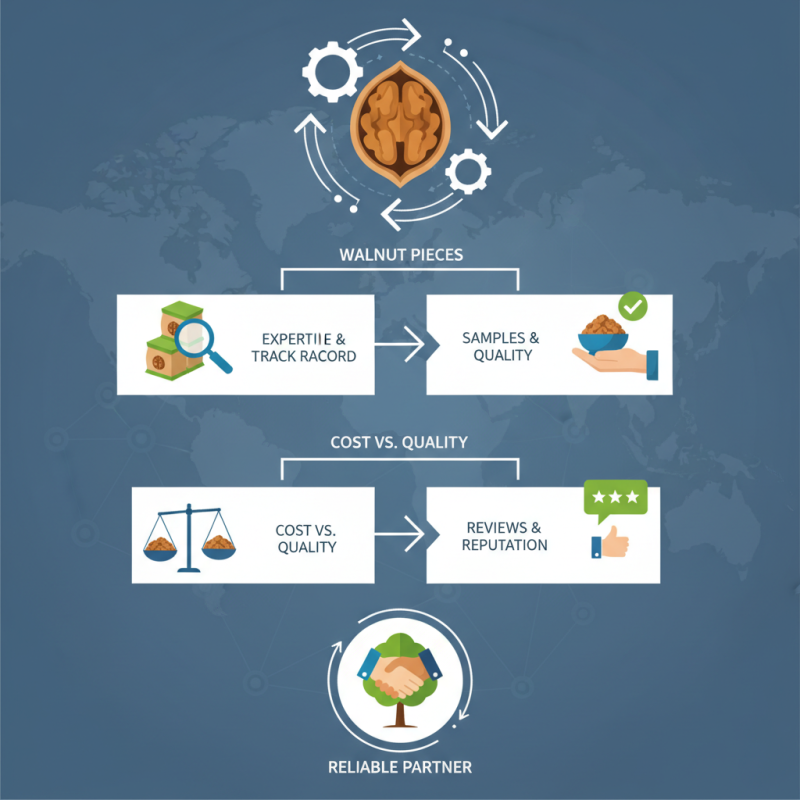
Expertise is essential when evaluating potential walnut pieces suppliers. Look for suppliers with a strong track record and industry experience. They should understand the specific requirements of your business. Reliable suppliers often provide samples. This allows you to assess the quality before making big commitments.
Not all suppliers are created equal. Some may offer lower prices but compromise on quality or reliability. Take time to research and compare different options. Look for positive reviews and testimonials from other businesses. Ensuring that your chosen walnut pieces supplier meets your standards can significantly enhance your product offerings.
Understanding the Importance of Choosing a Quality Walnut Pieces Supplier
Choosing a quality walnut pieces supplier is essential for any business that relies on these products. Quality walnuts enhance flavor, nutrition, and customer satisfaction. A trusted supplier provides fresh, high-grade walnut pieces, key for maintaining product integrity. It's crucial to ensure they have proper certifications. This shows they meet industry standards.
A good supplier should have experience and a solid reputation. Look for reviews and testimonials. Check how long they have been in business. Direct communication can reveal a lot. Ask about their sourcing methods and processing techniques. A transparent supplier is likely more reliable.
Sometimes businesses choose suppliers based on price alone. This can lead to poor quality products and customer complaints. Investing time to research may seem tedious, but it pays off. Balancing cost and quality is vital for long-term success. Regularly assess the supplier's performance to ensure they meet your standards.
Identifying Your Business Needs for Walnut Products
Identifying your business needs for walnut products is essential. Start by considering the specific uses of walnut pieces in your operations. For instance, many companies incorporate walnuts in snacks, desserts, and healthy foods. Understanding their desired flavor profile, size, and quality is crucial. According to industry data, walnut consumption is projected to grow by 3.5% annually in the coming years. This indicates an increasing demand for high-quality walnut products.
Evaluate the volume of walnut pieces your business requires. Are you a small bakery or a large-scale manufacturer? This impacts supplier selection. Larger suppliers can provide competitive pricing but may lack personalized service. Smaller suppliers often deliver high-quality products but may face limitations in scale, making consistency a challenge. A report from the Food and Agriculture Organization highlights the importance of sourcing from reliable suppliers to ensure product integrity and safety.
Shipping and storage considerations also come into play. Walnuts need appropriate storage to maintain freshness. Your supplier should adhere to best practices in handling and logistics. This requirement can affect your supply chain efficiency. Keeping track of various suppliers’ strengths and weaknesses is vital. Some may excel in pricing but fall short in quality. Being aware of these nuances helps forge a strong supplier relationship. This reflection on what truly matters for your business will guide you in choosing wisely.
Walnut Products Supply Needs
This bar chart represents the monthly demand for various walnut products. Understanding these needs helps businesses select the best suppliers and optimize their inventory.
Criteria for Evaluating Potential Walnut Suppliers
When selecting a walnut pieces supplier, consider a few vital criteria. Start by assessing quality. The walnuts should meet industry standards. Look for suppliers who offer graded options. This ensures consistency in taste and texture. Avoid suppliers with vague quality metrics.
Pricing is another factor. Compare prices across multiple suppliers. A lower price might seem attractive, but it can signal lower quality. Higher prices don’t always guarantee the best. Balance is key. Ensure the price reflects the quality you expect.
Tips: Always ask for samples before making larger commitments. This practice allows you to verify quality upfront. Additionally, evaluate the supplier's certification. Certifications can indicate adherence to safety and quality regulations. Don’t hesitate to request references from their existing clients. This feedback provides insight into their reliability and service quality.
Lastly, consider your supplier's communication. A good supplier should be responsive and willing to answer your questions. If communication is lacking from the start, it may cause issues later. Trust your instincts; if something feels off, reflect on those concerns before proceeding.
How to Choose the Best Walnut Pieces Supplier for Your Business?
| Criteria | Details | Evaluation Score (1-10) |
| Quality of Products | Consistent texture, taste, and packaging standards. | 8 |
| Pricing | Competitive pricing relative to market rates. | 7 |
| Reliability | Consistent delivery times and order accuracy. | 9 |
| Customer Service | Responsiveness to queries and complaints. | 8 |
| Certifications and Standards | Compliance with food safety and quality standards. | 9 |
| Supply Chain Transparency | Visibility into sourcing and processing methods. | 7 |
| Flexibility | Ability to meet changing order sizes and specifications. | 8 |
Assessing Supplier Reliability and Quality Assurance Measures
Choosing a walnut pieces supplier demands a keen evaluation of their reliability. Supplier reliability relates to their ability to deliver consistent quality. In the nut industry, over 70% of consumers prioritize product quality over price. This indicates a strong link between reliability and consumer satisfaction.
Quality assurance measures are also crucial. Suppliers should adhere to international standards such as ISO 9001. A report by the FDA suggests that firms with quality assurance programs see a 25% decrease in product recalls. This data underscores the critical nature of stringent quality control in the supply chain.
Consider seeking suppliers that provide transparent sourcing information. Their commitment to traceability ensures ethical practices in production. Some suppliers may struggle with maintaining consistent quality due to varying harvest conditions. It’s essential to question how they manage seasonal fluctuations in supply. Regular communication about quality checks can build a stronger partnership.
Building a Strong Relationship with Your Chosen Supplier
Building a strong relationship with your walnut pieces supplier is essential for the success of your business. It starts with open communication. You should express your needs clearly and listen to their capabilities. A conversation can reveal much about their reliability and expertise. Regular check-ins help maintain this connection.
Trust is built over time. Consider sharing feedback about their products. If issues arise, address them promptly. Suppliers appreciate transparency. They are more likely to enhance their service when they know what you expect. However, remember that misunderstandings can happen. Approach them with a solution-oriented mindset.
Here are a few tips to strengthen your partnership. Show appreciation for their punctualities and quality. A gesture, like a thank-you message, can go a long way. Set clear expectations about deliveries and quality standards. This encourages accountability. Lastly, evaluate their performance regularly. This reflection can identify areas for improvement.