Why Choose Carton Packaging for Your Business Needs?
In today's competitive market, choosing the right packaging can make a significant difference for businesses. One popular option is carton packaging. This choice is not just about protecting products; it also reflects a brand's values and commitment to sustainability.
Carton packaging offers versatility. It can be tailored to fit various products, from delicate items to bulkier goods. This adaptability ensures that products are well-preserved during transit and storage. Additionally, it can enhance a company's image through appealing designs and prints. However, businesses must consider the balance between aesthetics and functionality.
Moreover, carton packaging is often more environmentally friendly compared to alternatives like plastic. Consumers increasingly prefer brands that prioritize sustainability. However, there are challenges to consider, such as cost implications and sourcing materials responsibly. The decision to opt for carton packaging should be made carefully, considering both immediate and long-term impacts.
Benefits of Carton Packaging for Various Industries
Carton packaging has become a preferred choice in many industries. According to a recent report by Smithers Pira, the global market for carton packaging is expected to reach $350 billion by 2025. This growth indicates a rising demand for sustainable and versatile packaging solutions.
One of the significant benefits of carton packaging is its eco-friendliness. Cartons are often made from renewable materials. This aligns with the increasing consumer preference for sustainable products. Moreover, studies show that almost 70% of consumers are more likely to buy products packaged in environmentally friendly materials. This could lead to higher sales and improved brand loyalty.
In addition, carton packaging offers excellent protection for various products. It can withstand transportation stresses and prevent damage. A report from the Packaging Association highlighted that businesses save, on average, 30% on shipping costs with lighter and sturdier carton packaging. However, some businesses might find it challenging to balance cost and quality. There is room for improvement in choosing the right specifications to meet diverse needs.
Environmental Considerations in Choosing Carton Packaging
Choosing carton packaging aligns with growing environmental concerns. In recent years, studies indicate that approximately 70% of consumers prefer sustainable packaging options. Carton materials, primarily made from renewable resources, can significantly reduce carbon footprint. It takes 2 to 3 times less energy to produce paperboard compared to plastic. This shift not only meets consumer demand but also supports a circular economy.
When selecting carton packaging, consider weight and recyclability. Lightweight cartons decrease transportation emissions. According to the Paper and Paperboard Packaging Environmental Council, over 80% of paper goods are recycled. This high rate makes carton packaging a smart choice for businesses aiming for sustainability.
Tip: Assess your supply chain for local recycling facilities. This can boost your brand’s eco-friendly image. Engaging customers about your packaging choices can enhance loyalty. Business decisions should reflect environmental values; this builds trust, even among skeptics. Make informed choices that resonate with today's eco-conscious market.
Environmental Impact of Packaging Materials
Cost-Effectiveness of Carton Packaging Solutions
Carton packaging offers an impressive solution for businesses looking to optimize costs. These materials are widely available and often less expensive than alternatives like plastic or metal. By choosing carton packaging, companies can save money on both production and shipping. Lightweight cartons decrease shipping expenses, allowing businesses to allocate resources more effectively.
Consider how your packaging choice affects sustainability.
Carton packaging is recyclable, which appeals to eco-conscious consumers. However, not all cartons are created equal. Look for options that use sustainable practices in their production. This choice not only saves costs but also enhances brand reputation.
Tips: Always calculate the total cost of packaging, not just the initial price. Analyze your supply chain to find areas where carton packaging can reduce costs. Test various designs to improve efficiency and protect your products. Remember, what works for one may not suit another. It’s worth exploring different options to find the perfect balance.
Customization Options for Carton Packaging
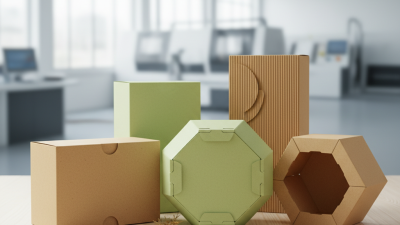
Carton packaging offers a range of customization options that can meet various business needs. From size and shape to graphic design, businesses can create packaging that stands out. Custom options allow for branding consistency. You can choose colors, logos, and unique designs that resonate with your target audience. This level of personalization helps build a strong brand identity.
Consider the material's quality. High-quality carton stocks can enhance durability. They withstand shipping and handling better. However, poor-quality materials can lead to damages and increased costs. Reflect on how the chosen materials align with your brand image.
Tips: Always test your designs before final production. Mistakes in sizing or color can occur. Seek feedback from your team to ensure the packaging meets expectations. Monitor industry trends; staying updated can prevent your packaging from becoming obsolete. Customization is a valuable opportunity, but it also requires careful thought and planning.
Why Choose Carton Packaging for Your Business Needs? - Customization Options for Carton Packaging
| Feature |
Description |
Benefits |
| Environmental Sustainability |
Made from renewable resources, recyclable |
Reduces carbon footprint, supports eco-conscious branding |
| Customization |
Options for size, print, graphics, and design |
Enhances brand identity, meets specific product requirements |
| Cost-Effectiveness |
Economical choice for packaging solutions |
Reduces packaging costs, optimizes material use |
| Durability |
Strong structural integrity for safe transport |
Minimizes product damage, enhances customer satisfaction |
| Versatility |
Suitable for various products across industries |
Adaptable to different markets and product types |
Durability and Protection Offered by Carton Packaging
Carton packaging offers remarkable durability and protection for various products. Its strength allows it to withstand rough handling during shipping and storage. Many businesses rely on carton boxes to keep their items safe from physical damage. They also provide suitable insulation against temperature fluctuations. This quality is crucial for perishable goods.
Tips: Consider the weight of your products when selecting carton thickness. A heavier item may require sturdier materials. Additionally, always test your packaging before deployment. This ensures it meets your protective needs.
Carton packaging is also eco-friendly. Made from renewable resources, it is biodegradable. While this is beneficial, businesses should be mindful of sourcing practices. Not all carton materials are created equal, and some may harm the environment. Evaluate suppliers to ensure responsible sourcing. Balancing durability with environmental responsibility can be tricky but is essential for sustainable business practices.