How to Choose the Best Packaging Materials for Your Business?
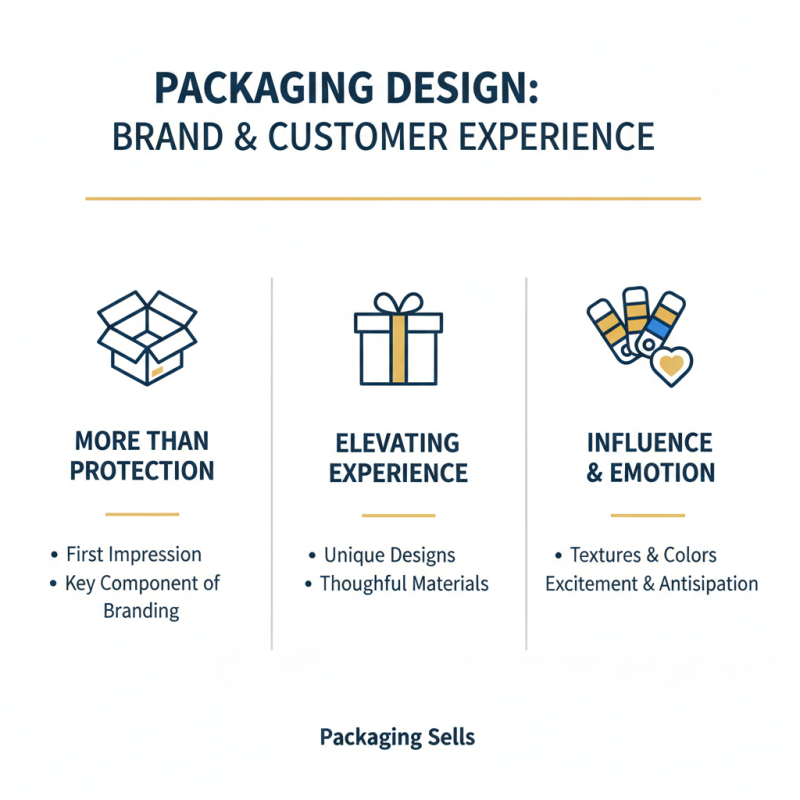
Choosing the right packaging materials is crucial for any business. The materials directly impact product presentation and customer satisfaction. High-quality packaging ensures that products arrive safely and in good condition. It also reflects the brand’s commitment to quality.
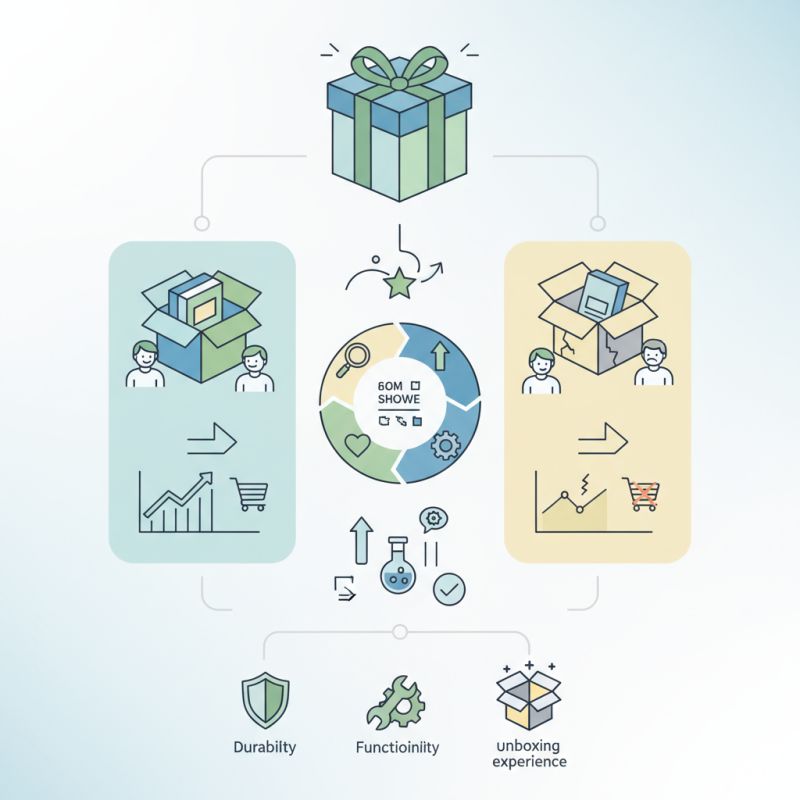
Business owners often overlook the importance of packaging materials. Many focus solely on price or appearance. However, durability and functionality are equally important. Selecting the right materials can enhance the unboxing experience. This often leads to positive customer feedback and repeat purchases.
It can be tempting to cut corners to save costs. But, inadequate packaging may result in damaged goods and unhappy customers. Reflection on past experiences can guide better choices. Testing different options is also key. By understanding the unique needs of their products, businesses can make informed decisions.
Understanding the Different Types of Packaging Materials Available
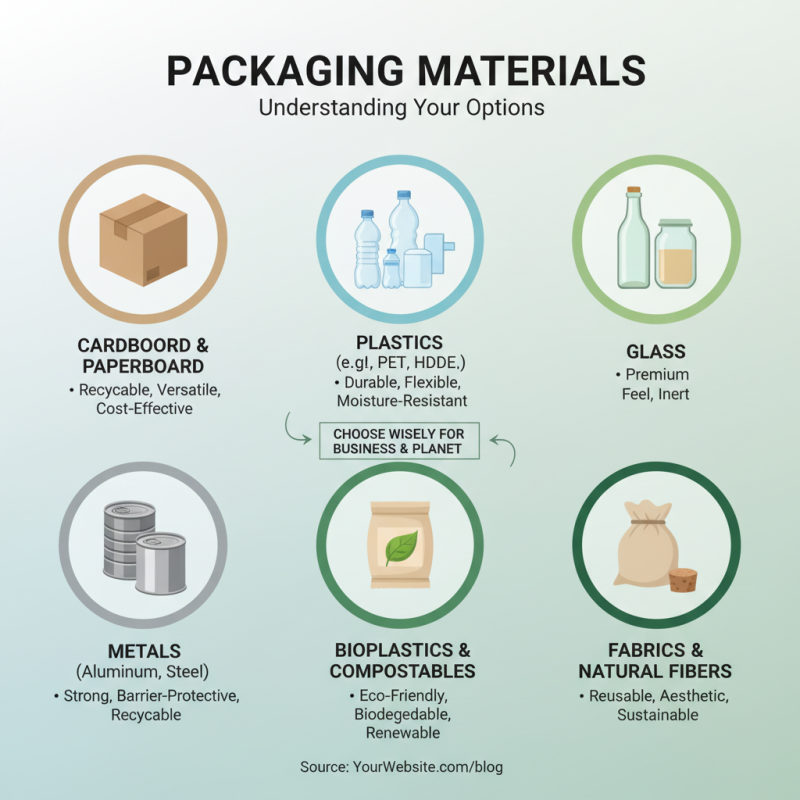
Choosing the right packaging materials for your business is crucial. Various options are available, each with unique benefits. Understanding these materials can help you make informed decisions.
Cardboard is popular for shipping. It's lightweight yet sturdy, providing excellent protection. You can also recycle it easily. However, it has limitations in moisture resistance. If your product faces moisture, consider plastic options.
Plastic is versatile and durable. It protects products from damages during transit. Different types include polyethylene and polypropylene. Yet, plastic can have environmental drawbacks. Therefore, balance is necessary. Consider eco-friendly alternatives if sustainability matters to you.
Glass is another option. It offers an upscale look, ideal for cosmetics or gourmet foods. However, it's heavier and more fragile. Breakages can increase costs and complicate logistics. Each material has its strengths and weaknesses. Reflect on your product needs before deciding.
Evaluating the Environmental Impact of Packaging Choices
When evaluating the environmental impact of packaging choices, consider the materials you select. Sustainable packaging can significantly reduce waste. Opt for biodegradable or recyclable materials. These options break down more easily and do less harm to ecosystems. Most consumers favor companies that prioritize sustainability. This reflects in their purchasing decisions, leading to potential sales growth.
However, it’s important to note that not all eco-friendly materials are created equal. Some biodegradable products can still damage the environment if not disposed of properly. Research is needed to understand each material’s lifecycle and disposal methods. For instance, kraft paper is often praised for its recyclability, yet it relies on responsible sourcing. The implications of sourcing can overshadow its benefits.
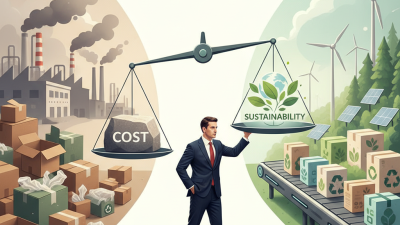
Think about how your packaging choices align with your brand’s values. Are you ready to invest in sustainable options? Sometimes the cost of eco-friendly materials may seem high. Yet, the long-term benefits often outweigh initial expenses. Balancing cost and environmental impact requires careful thought and reflection. Each choice can contribute to a healthier planet.
How to Choose the Best Packaging Materials for Your Business? - Evaluating the Environmental Impact of Packaging Choices
| Packaging Material |
Recyclability |
Biodegradability |
Carbon Footprint (per kg) |
Cost (per unit) |
| Cardboard |
Yes |
Yes |
0.5 kg CO2 |
$0.20 |
| Plastic (PET) |
Yes |
No |
1.5 kg CO2 |
$0.10 |
| Bioplastics |
Yes |
Yes |
1.0 kg CO2 |
$0.30 |
| Glass |
Yes |
Yes |
0.8 kg CO2 |
$0.50 |
| Metal (Aluminum) |
Yes |
No |
3.5 kg CO2 |
$0.60 |
Assessing the Cost-Effectiveness of Packaging Options
Choosing the right packaging material is essential for any business. It impacts cost, sustainability, and customer satisfaction. When assessing cost-effectiveness, companies often overlook hidden costs in packaging choices. For example, packaging that reduces spoilage can lead to significant savings. According to a study by Smithers Pira, effective packaging can reduce product damage by up to 20%. This not only protects your product but also enhances customer trust.
Different materials have varying costs and environmental impacts. A report from Freedonia Group highlights that sustainable packaging options have gained momentum. They can increase initial costs but may lead to long-term savings through reduced waste disposal costs. Businesses must consider the lifecycle of materials. Some biodegradable options may cost more upfront but offer savings in waste management.
Evaluating packaging should also involve a careful analysis of shipping costs. Light-weight materials can decrease shipping fees significantly. However, businesses may sacrifice durability. It's a delicate balance that needs constant reflection. Regularly reassessing packaging choices ensures that your business adapts to market trends and consumer preferences, which is crucial for maintaining competitiveness.
Packaging Material Cost-Effectiveness Analysis
Identifying Packaging Requirements Based on Product Type
When selecting packaging materials, it’s essential to consider the specific requirements of your product. Different products require different types of protection. For example, fragile items like glassware need cushioned packaging, while perishables require breathable materials for freshness. Understanding your product’s nature influences your choice significantly.
Weight plays a vital role as well. Heavy items demand sturdy materials. Thinner materials may suffice for lightweight products. Regular assessments of materials are necessary. This ensures they align with evolving product specifications and market demands. A mistake in this area can lead to costly damages, affecting your bottom line.
Sustainability is becoming increasingly important. Consumers favor eco-friendly materials. Using recycled or biodegradable options can enhance your brand image. However, finding the right balance between functionality and environmental responsibility is tricky. It requires ongoing evaluation and adaptability. Different wholesalers offer various materials, yet not all are equally effective for specific needs.