How to Choose the Best Boxes for Packaging Your Products Effectively
When it comes to packaging products effectively, choosing the right boxes for packaging is a critical step that can significantly impact your business. The perfect packaging not only ensures the safety of your items during transit but also enhances your brand's appeal and customer experience. With a variety of options available, understanding what to look for in packaging boxes is essential for safeguarding your products and making a lasting impression.
In this guide, we will explore the key factors to consider when selecting boxes for packaging your products. From material and design to size and sustainability, each element plays an integral role in delivering your goods securely and attractively. By understanding your specific needs and the intricacies of packaging, you can make informed decisions that align with your business objectives and resonate with your target market. Let us delve into the world of packaging boxes and uncover the best practices that can elevate your product presentation and protect your investments.
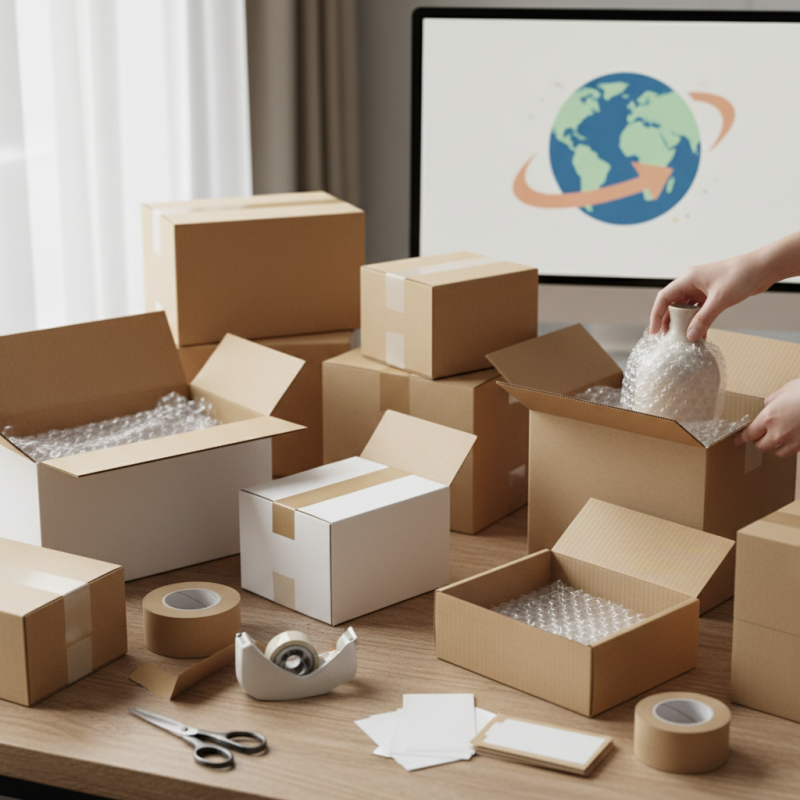
Identifying Your Product's Packaging Needs
When choosing the best boxes for packaging your products, it's essential to first identify the specific needs of your items. Consider factors such as size, weight, fragility, and shape. Understanding these characteristics will help you select a box that provides adequate protection during transit and storage. Additionally, think about the environmental conditions your package may encounter, such as humidity or temperature fluctuations, which could impact the integrity of your products.
Tips: Always measure your products accurately before selecting a box. This will prevent the hassle of having to repack or risk damaging your items due to ill-fitting packaging. Remember that an appropriate box shouldn't be too tight or overly spacious, as both can compromise the safety of the contents.
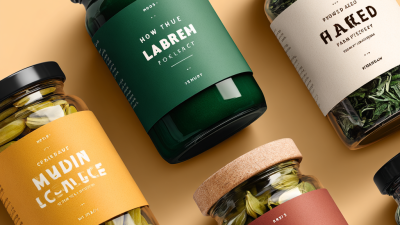
Furthermore, consider the presentation of your packaging. The design and quality of your boxes can significantly influence customer perception and satisfaction. A well-chosen box can enhance your brand image while also being functional. Evaluate whether your packaging needs to be eco-friendly, customizable, or able to withstand specific shipping requirements.
Tips: Opt for boxes that allow for easy opening and reuse, as this can enhance the unboxing experience and encourage repeat business. Always test your packaging with prototyping to ensure it meets your expectations before mass production.
Evaluating Different Types of Packaging Materials
When selecting packaging materials for your products, it is essential to evaluate the various types available to ensure optimal protection and presentation. According to a report by Smithers Pira, the global market for packaging materials is projected to reach approximately $1 trillion by 2024, driven largely by e-commerce and consumer preference for sustainable solutions. This highlights the growing importance of not only choosing robust materials but also considering the environmental impact of your packaging decisions.
Among the widely used materials, cardboard remains a primary choice due to its versatility and strength. Research from Freedonia Group indicates that the demand for paperboard packaging is expected to grow by 3.5% annually. In contrast, plastic packaging, though lightweight and cost-effective, faces increasing scrutiny regarding its environmental footprint. A recent study by Nielsen found that 66% of consumers are willing to pay more for sustainable brands. Thus, businesses should evaluate biodegradable alternatives like plant-based plastics, which have been gaining traction in the market. It is crucial to analyze not just the cost and durability of these materials but also their market acceptance to cater to a more environmentally conscious consumer base.
Understanding Box Sizes and Dimensions for Your Products
When selecting box sizes and dimensions for packaging, it is essential to understand the specific needs of your products. According to a report by Smithers Pira, the global market for sustainable packaging is expected to reach approximately $500 billion by 2024, emphasizing the importance of properly sized packaging in reducing waste and optimizing shipping costs. Choosing the right box size not only ensures that products are well-protected during transit but also minimizes excess empty space, which can lead to unnecessary shipping fees and an increased carbon footprint.
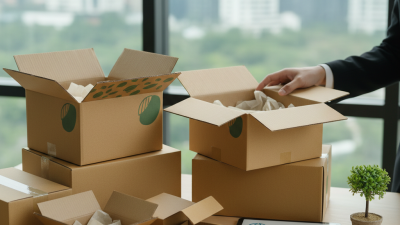
The key to effective packaging lies in considering the dimensions that best fit your products. A well-packaged item should not be too tight, leading to potential damage, nor excessively loose, which could result in movement and impact during shipping. Industry data suggests that 45% of companies have reported that incorrect packaging is a significant factor in product returns. By analyzing metrics such as product weight, dimensions, and the fragility of items, companies can optimize their packaging solutions.
Utilizing tools such as box volume calculators can also aid in selecting ideal box sizes that align with shipping regulations and freight dimensions, ensuring both efficient delivery and customer satisfaction.
Choosing Eco-Friendly Packaging Options
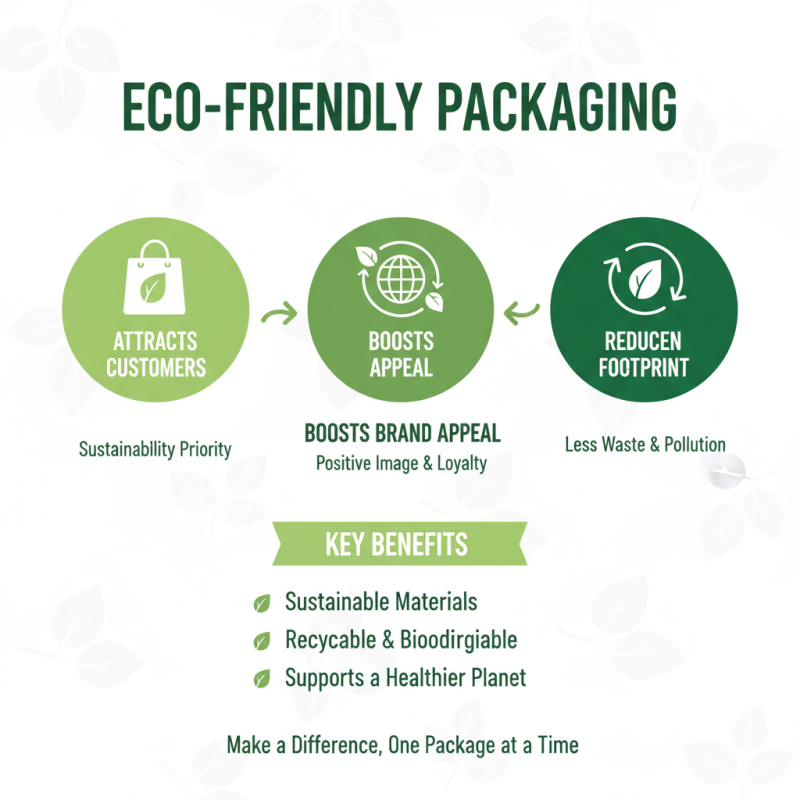
When selecting packaging for your products, it’s increasingly important to consider eco-friendly options. With consumers becoming more environmentally conscious, using sustainable materials can enhance your brand's appeal and help reduce your carbon footprint. Eco-friendly packaging not only attracts customers who prioritize sustainability but also contributes positively to the planet.
Tips for Choosing Eco-Friendly Packaging:
- **Material Selection**: Opt for materials such as recycled paper, biodegradable plastics, or plant-based alternatives. These options not only minimize environmental impact but also often provide adequate protection for your products.
- **Minimalism**: Consider designs that require less material. Using fewer resources can lower costs and waste, while still maintaining the integrity of your packaging.
- **Supplier Practices**: When sourcing materials, look for suppliers who prioritize sustainability in their operations. This can help ensure that your packaging choices align with eco-friendly values from production to delivery.
By integrating these sustainable practices into your packaging strategy, you can contribute to a healthier environment while still delivering quality products to your customers.
Assessing Cost vs. Quality in Packaging Solutions
When selecting packaging solutions, evaluating cost versus quality is crucial for ensuring that your products remain protected while also fitting within your budget. According to a report by the Smithers Pira titled "The Future of Global Packaging to 2024", companies spend approximately 10% of their total product cost on packaging. This statistic underscores the importance of finding a balance between economy and reliability. Quality packaging not only helps prevent damage during transit, which can result in significant financial loss, but also enhances brand perception. In fact, 72% of consumers believe that packaging design influences their purchasing decisions, highlighting the necessity of investing in high-quality materials.
Moreover, cost considerations should not compromise the integrity of the packaging. As noted in a study from Mordor Intelligence, the global packaging market is projected to grow significantly, driven by factors such as increasing e-commerce activities and consumer demand for sustainable solutions. Choosing packaging that is both cost-effective and of superior quality can provide long-term savings by reducing returns and increasing customer satisfaction. For instance, using sturdy boxes can minimize the risk of product damage, thus lowering replacement costs. Ultimately, thorough research and analysis of both costs and quality will yield the best packaging strategy for any product, ensuring that success is achieved without breaking the bank.