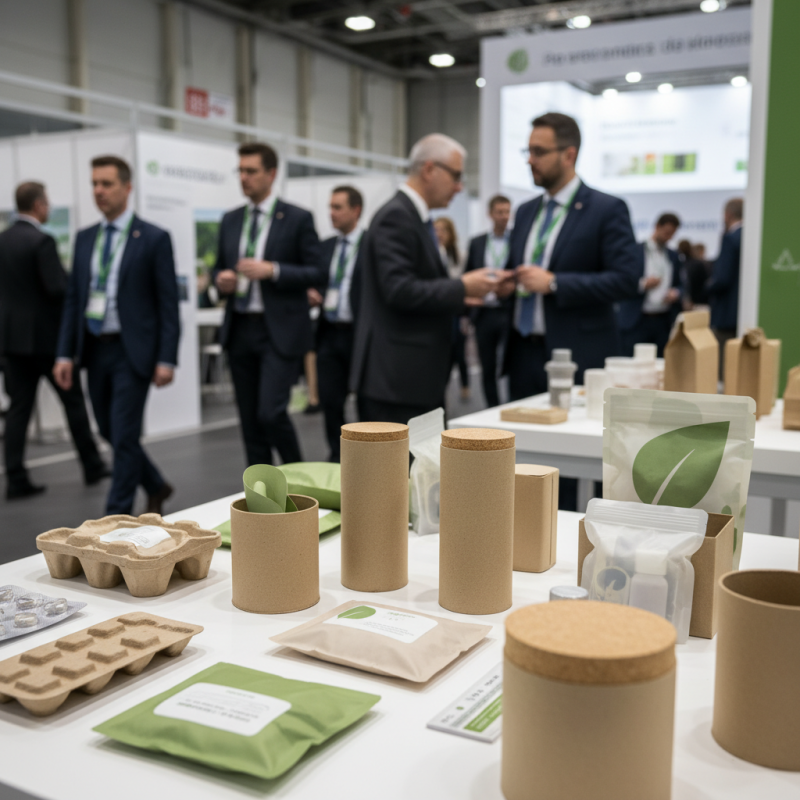
Why Choose Eco Friendly Pharmaceutical Packaging at Canton Fair?
The importance of Eco Friendly Pharmaceutical Packaging is becoming increasingly evident. With growing environmental concerns, the pharmaceutical industry is shifting towards sustainable practices. At the Canton Fair, the focus on eco-friendly packaging methods highlights this trend.
Visitors can expect to see innovative solutions that reduce waste and environmental impact. Packaging materials made from biodegradable and recyclable substances are gaining traction. Buyers are encouraged to explore these options during the fair.
Moreover, utilizing Eco Friendly Pharmaceutical Packaging can enhance brand image. It reflects a commitment to sustainability and attracts environmentally conscious consumers. This shift requires ongoing reflection and adaptation from industry stakeholders. Embracing these changes presents challenges, but the benefits are worth it.
The Importance of Eco-Friendly Packaging in the Pharmaceutical Industry
Eco-friendly packaging plays a crucial role in the pharmaceutical industry. Recent studies show that around 72% of consumers prefer sustainable packaging. This shift highlights the growing awareness of environmental impact. Pharmaceutical companies are facing increasing pressure to adopt greener practices. Sustainability in packaging is no longer optional; it’s essential for market competitiveness.
One key benefit of eco-friendly packaging is waste reduction. Traditional packaging materials can take hundreds of years to decompose. In contrast, biodegradable options can break down in months. Transitioning to sustainable materials can significantly decrease landfill contributions. However, this change requires careful planning. Some companies struggle with the initial cost of sustainable materials. Adopting a long-term vision can lead to cost savings and brand loyalty.
Tips: Always consider the lifecycle of packaging materials. Choose suppliers who prioritize sustainability in their production processes. Engage with consumers about your eco-friendly efforts. Transparency can build trust and strengthen customer relationships. Balancing healthcare needs with environmental concerns is not straightforward. Continual dialogue within the industry is vital for finding the best solutions.
Current Trends in Sustainable Pharmaceutical Packaging Solutions
Sustainable pharmaceutical packaging is increasingly important. The global market for eco-friendly packaging is projected to reach $475 billion by 2026. This shift is driven by regulatory changes and consumer demand. Companies are looking for ways to reduce environmental impact while ensuring product safety.
The industry is seeing a rise in materials like biodegradable plastics and recycled content. For example, a 2021 study found that using recycled materials can save up to 70% on carbon emissions. Many consumers now prefer brands that invest in eco-friendly solutions. This aligns with the values of the younger demographic, who prioritize sustainability.
Tips for companies: Assess your current packaging. Consider alternatives like plant-based materials or minimalistic designs. Engage with your customers to gather feedback on packaging choices. Every small change can contribute to a larger positive impact. Embrace this trend not just as a marketing strategy, but as a path for genuine commitment to sustainability.
Regulatory Standards and Compliance for Eco-Friendly Packaging
Eco-friendly pharmaceutical packaging has gained significant attention due to its environmental benefits. Regulatory standards play a crucial role in ensuring these packages meet safety and sustainability requirements. Compliance with established guidelines can be challenging but is necessary for market acceptance.
Manufacturers must navigate complex regulations related to materials and production processes. Using biodegradable or recyclable materials often requires thorough testing. Meeting these standards can delay product launches. However, it is essential for building trust with consumers and regulators alike.
Companies are increasingly faced with the dilemma of balancing innovation and compliance. The push for greener options sometimes leads to oversights in regulatory adherence. It’s vital to stay informed about changing regulations. Continuous education and investment in research can lead to better compliance outcomes. In the long run, this can enhance the reputation and marketability of eco-friendly pharmaceutical products.
Eco-Friendly Pharmaceutical Packaging Compliance Standards
Impact of Eco-Friendly Packaging on Brand Image and Consumer Trust
Eco-friendly pharmaceutical packaging is more than a trend. It shapes brand image significantly. Consumers are increasingly aware of environmental issues. They trust brands that show commitment to sustainability. Using eco-friendly materials can enhance a company's reputation. Brands can stand out in a crowded market.
Many consumers are willing to pay more for greener options. This reflects a shift in priorities. Implementing sustainable packaging is a strong statement. However, not all green options are equally effective. Some materials can be costly and less convenient. Companies need to balance cost and sustainability. It's essential to reflect on packaging choices consistently.
Tips for embracing eco-friendly packaging include researching materials thoroughly. Understand what resonates with your target audience. Experiment with designs that highlight sustainability. Engage with consumers about your packaging choices. Transparency fosters trust, leading to stronger customer relationships. Brands should avoid making empty claims. Integrity in messaging is key to success.
Market Data: Growth of Eco-Friendly Packaging in Pharmaceuticals Industry
The growth of eco-friendly packaging in the pharmaceutical industry is noteworthy. Recent reports indicate that the global market for sustainable packaging is expected to reach $500 billion by 2027. This reflects a robust annual growth rate of around 5.4%. Increasing regulatory pressures and consumer demand are driving this change. Companies are recognizing the need for biodegradable and recyclable materials.
A survey highlighted that 60% of consumers prefer eco-friendly products. This preference extends to medication packaging. In 2022, the eco-packaging segment within pharmaceuticals saw a 15% increase in market share. However, challenges remain. Many companies still struggle with sourcing sustainable materials at scale. Cost factors and production limitations can hinder progress.
Innovation is crucial in this sector. The demand for transparent and minimal packaging is growing. Yet, some companies may not fully understand eco-friendly practices. Education on materials and their environmental impact is essential. As the industry evolves, collaboration among stakeholders will be key in overcoming these hurdles.