Top Tips for Effective Packaging from Home Techniques
In the evolving world of e-commerce, effective packaging from home plays a critical role. According to Maria Evans, a leading expert in sustainable packaging solutions, "The way we package items speaks volumes about our brand." This highlights the importance of thoughtful design and function.
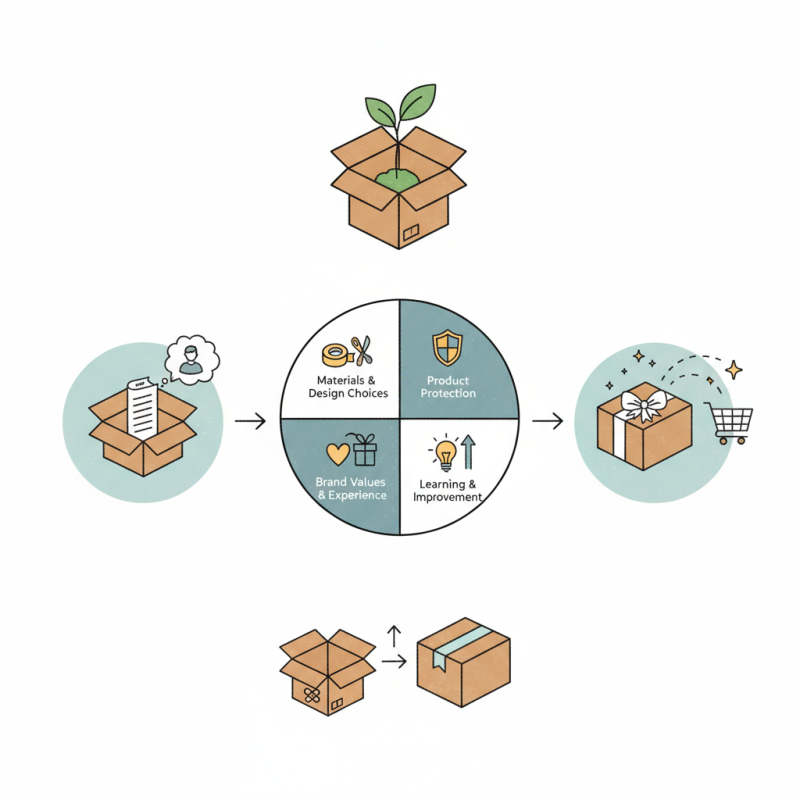
Many small businesses overlook packaging's role, focusing solely on the product. Yet, packaging from home can enhance customer experience. Understanding materials and design choices begins at home. The right packaging protects products while conveying brand values. Simple designs often leave a lasting impression.
Reflecting on my own experiences, it’s clear that even small details matter. An appealing package can make an ordinary item feel special. Sometimes, however, we rush the process, leading to flaws. Mistakes provide valuable lessons on how we can improve. Embracing these lessons makes our packaging efforts more impactful.
Understanding the Importance of Effective Packaging at Home
Effective packaging at home goes beyond simply wrapping items. It plays a crucial role in protecting your belongings during storage or transit. When you package items thoughtfully, they are less likely to be damaged. Fragile items need extra care. Using bubble wrap or soft fabric can be beneficial. However, many people overlook this simple step.
Clarity in labeling helps avoid confusion when unpacking. A clear marker can also save time. Yet, some might rush through this process. They may use vague descriptions or skip labeling altogether. This can lead to frustration later. Using specific names or categories makes everything straightforward.
It's easy to underestimate the importance of effective packaging. Rushing may seem efficient, but it often leads to mistakes. Take a moment to reflect on what works best for your needs. Experiment with different materials and techniques. Each method might have strengths and weaknesses. Hands-on experience helps you learn what truly matters.
Assessing Your Packaging Needs: Materials and Methods
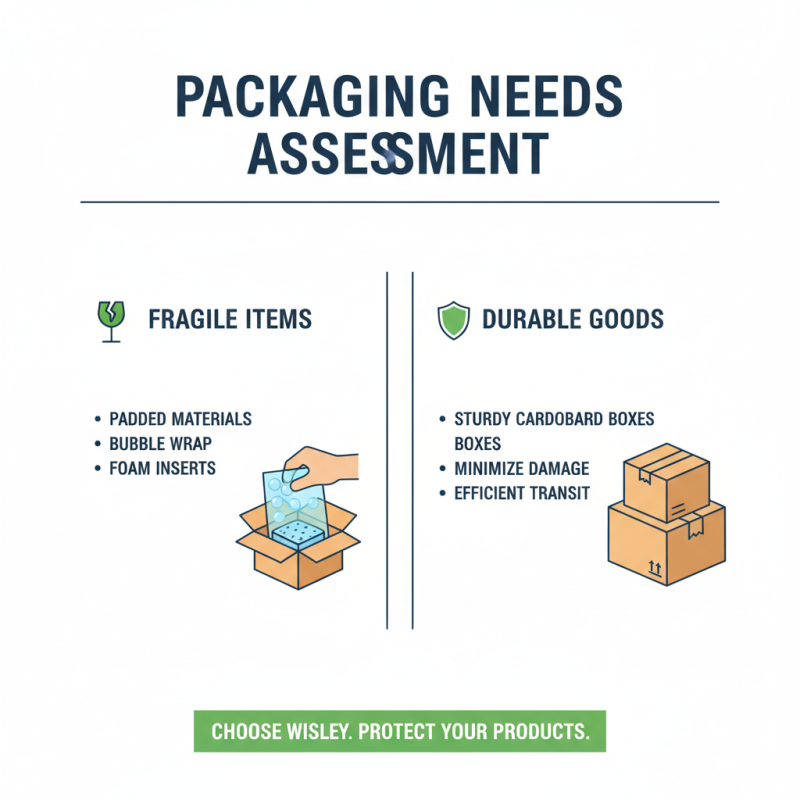
When assessing your packaging needs, it’s vital to consider both the materials and methods you will use. Different products require different approaches. For fragile items, padded materials may be necessary. Think about bubble wrap or foam inserts. On the other hand, sturdy cardboard boxes may suffice for durable goods. Choosing the correct materials helps minimize damage during transit.
Consider the environment as well. Recyclable materials can enhance your brand's appeal. Yet, it can be challenging to find the right balance. Sometimes, eco-friendly options may not provide adequate protection. This could lead to damage, which is frustrating. Experiment with combinations of materials to find what works best for your products.
Also, think about your sealing methods. Tape alone might not be reliable for heavier packages. Perhaps adding straps or additional padding can enhance security. It reflects attention to detail, which customers appreciate. Making these choices can seem overwhelming at times. Feedback from customers can help refine your approach and lead to better packaging solutions.
Techniques for Protecting and Preserving Items during Shipping
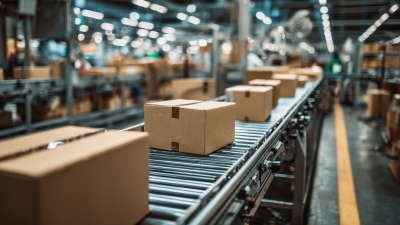
Effective packaging is crucial for protecting items during shipping. According to recent industry reports, around 30% of products are damaged in transit due to inadequate packing. This statistic highlights the need for effective techniques at home.
Proper cushioning materials can significantly reduce the risk of damage. For example, use bubble wrap or biodegradable packing peanuts. These materials cushion the product and absorb shocks from handling.
When sealing packages, adhesive tape plays a vital role. Professional studies suggest that a minimum of three strips of tape on each seam is necessary for better protection. However, some people tend to use insufficient tape, leading to failures.
Labeling is also essential. Clear and precise labeling helps in navigating packages through multiple hands. Neglecting to place clear destination labels can cause delays or misdeliveries.
Another area to consider is the box size. Using boxes that are too large increases the likelihood of items shifting. Research indicates that 20% of damages are linked to poor box fit. On the other hand, overpacking can result in crushing delicate items. Finding the right balance is key.
Regularly evaluating your packaging strategy can lead to improvement. Reflect on past shipments to identify weaknesses in your methods. This reflection can help refine your practices over time.
Creative Solutions for Eco-Friendly and Sustainable Packaging
Eco-friendly packaging is gaining traction. Many people are now turning to home techniques for sustainable solutions.
Using recycled materials is a simple yet powerful way to create packaging.
Cardboard boxes from deliveries can be spiced up with creative designs. A coat of paint or some vibrant markers can give them a new life.
Another option is to utilize natural materials. Think of brown paper bags or biodegradable options. It's easy to repurpose fabric scraps to wrap gifts.
This not only reduces waste but adds a personal touch. However, these choices come with challenges. Sometimes, the durability of natural materials can be an issue.
Wrapping items loosely can lead to damage during transport. Adjusting how we package is essential.
Consider the aesthetic as well. An appealing presentation might overshadow using entirely eco-friendly items. It's important to strike a balance.
Experimenting with different techniques can lead to unexpected results. Maybe the first design doesn't meet expectations.
It’s a learning curve, but tackling these imperfections can lead to more innovative solutions.
Tips for Customizing and Branding Your Home Packaging Efforts
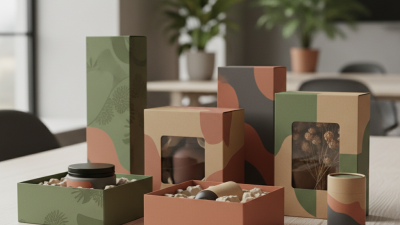
Personalizing your packaging can truly make a difference. You don’t need expensive materials to create an impact. Simple touches can elevate your brand. Custom labels or stickers are a great start. Use colors that resonate with your vision. Remember, packaging is the first thing your customers see. It can influence their perception of your brand.
Experiment with textures and materials. You could use kraft paper or recycled materials. These choices reflect your commitment to sustainability. However, perfection is not always the goal. Sometimes, a handmade look can convey authenticity. Imperfections add character. They can tell a story about your journey. Every small detail matters, but don’t overthink it.
Crafting an engaging unboxing experience is key. Consider adding a personal note or a unique touch. It shows you care. Flaws in your process can lead to new ideas. Embrace these moments to refine your approach. Let your personality shine through your packaging. Your effort will connect you with your customers on a deeper level.
Top Tips for Effective Packaging: Understanding Key Customization Areas