How to Create Effective Packaging Labels for Your Products?
In the competitive landscape of consumer goods, effective packaging labels are vital. Research shows that 70% of purchasing decisions happen at the shelf. Consumers often glance at labels for information and cues. This explains the impact of clear design and messaging. Packaging labels convey more than just product information; they tell a story.
A study by Packaging Strategies revealed that 65% of consumers are influenced by label design. Brands that invest in appealing labels see boosted sales. However, not all labels meet consumer expectations. Labels that are cluttered or unclear can lead to confusion. This highlights a common pitfall in packaging design.
Effective packaging labels require careful consideration. It's crucial to balance creativity and clarity. Striking the right tone is essential for connecting with your audience. Brands must reflect on their messaging to ensure it resonates. Poorly executed labels can detract from an otherwise strong product. Continuous improvement is key in this ever-evolving market.

Understanding the Importance of Packaging Labels for Branding
Effective packaging labels play a crucial role in branding. They are often the first point of contact between your product and potential customers. According to recent studies, 72% of consumers say that packaging design influences their purchasing decisions. This highlights the need for attention to detail in label design. An effective label conveys the product's benefits and establishes brand identity.
Tips: Use colors and fonts that reflect your brand’s personality. Consider how these elements attract your target audience.
Incorporating important information is key. Ingredients, usage instructions, and sustainability claims can enhance credibility. However, many brands neglect clarity. Overloading labels can confuse customers. The challenge lies in balancing information with aesthetics.
Tips: Keep wording concise. Utilize icons or symbols for quick understanding.
Reflecting on labels can lead to missed opportunities. Neglecting to update labels can result in disengagement from consumers. Regular reviews can ensure labels remain relevant. Packaging labels should evolve with your brand's journey. In the end, a thoughtful approach to labeling can significantly boost brand perception and sales.
Key Elements to Include on Your Product Packaging Labels
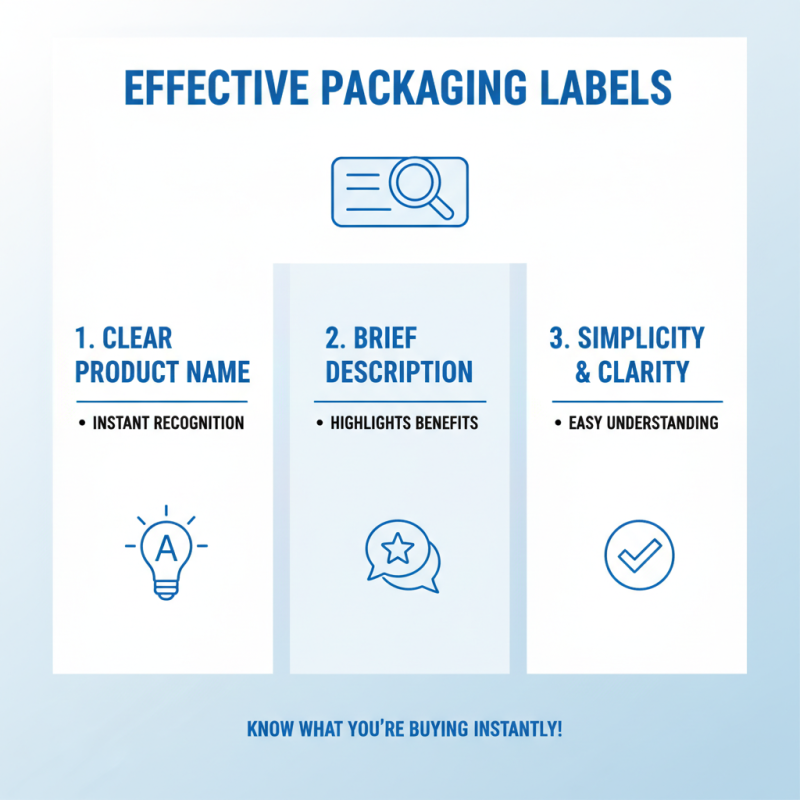
Creating effective packaging labels is crucial for any product. Key elements to include are the product name and description. Ensure the name is clear. A brief description can explain the benefits. Aim for simplicity and clarity in wording. Customers should instantly understand what they’re buying.
Another important aspect is the ingredients or contents. List everything clearly. If the product is organic or gluten-free, highlight that information. Include usage instructions, too. Customers appreciate clear, concise guidelines. However, not every label needs to be perfect. Some may find the font hard to read. Others might be confused by vague terms. It can be beneficial to seek customer feedback on label designs.
Finally, don't forget to add your contact information. This builds trust with customers. Using a QR code can also make it easier for customers to learn more. Balance is key; too much information may overwhelm, while too little leaves questions. Reflect on past designs and be open to improvements.
Design Principles for Eye-Catching and Informative Labels
Creating effective packaging labels is crucial for standing out in a crowded market. To craft eye-catching labels, focus on clear design principles. Choose bold colors that are visually appealing. They should reflect your brand's personality while remaining easy to read. Fonts should be legible from a distance. Avoid overly decorative fonts that could confuse consumers.
Tips: Keep text to a minimum. Highlight key information like product name, ingredients, and usage instructions. Use simple graphics to enhance understanding. Remember, too much detail can overwhelm potential buyers. Labels often reflect what you want to say, but they should also respond to what consumers need.
Consider the shape and size of your label. Unusual shapes can attract attention, yet they can be challenging to design effectively. Experimenting with different layouts may lead to mistakes. Some designs might not resonate well. Reflecting on these choices can lead to improvements. Ultimately, your label should not only appeal visually but also inform the consumer clearly and concisely.
How to Create Effective Packaging Labels for Your Products? - Design Principles for Eye-Catching and Informative Labels
| Label Design Principle |
Description |
Importance |
| Clarity |
Ensure that the information is easy to read and understand. |
Helps consumers quickly grasp key details about the product. |
| Color Scheme |
Use colors that represent the brand and capture attention. |
Aids in brand recognition and can influence buying decisions. |
| Typography |
Choose fonts that are legible and reflect the product personality. |
Enhances readability and supports the overall design theme. |
| Imagery |
Incorporate relevant images that convey product usage or benefits. |
Visuals can attract attention and provide instant information. |
| Regulatory Information |
Include any mandatory information required by law, like ingredients and warnings. |
Ensures compliance and builds trust with consumers. |
| Sustainability |
Use eco-friendly materials and highlight sustainability efforts. |
Appeals to environmentally conscious consumers. |
Regulatory Considerations in Packaging Label Design
When designing packaging labels, regulatory considerations play a crucial role. Each region has specific rules for labeling, especially concerning safety and health information. For example, nutritional facts must be clear and accurate. Misleading claims can lead to serious consequences. Always check local regulations to ensure compliance.
Tips: Focus on clarity. Use simple language, and avoid jargon. Include essential details like ingredient lists and allergens. Ensure font sizes are readable. Highlight warnings prominently.
Also, consider how design elements impact compliance. Colors and images should not distract from critical information. Packaging may look appealing, but clarity is key. There must be a balance between aesthetics and functionality. Creating an attractive label isn't enough if it confuses consumers. Reflect on whether your design supports or hinders understanding.
Best Practices for Testing and Improving Label Effectiveness
Creating effective packaging labels requires thorough testing and a commitment to improvement. Research indicates that 67% of consumers consider packaging design when making a purchase. Therefore, the effectiveness of your labels can significantly impact sales.
Testing label designs with focus groups is crucial. Gather feedback from potential customers about colors, fonts, and graphics. A/B testing can be an effective method to see which label resonates better with your audience. Sometimes, a minor change in color can lead to a 10% increase in engagement.
Tips: Use contrasting colors to enhance readability. Ensure that essential information stands out. Create prototypes and observe customer reactions to them. Remember, what looks appealing to you might not attract your customers. Regularly review your labels and be open to feedback. Labels that resonate today may need adjustments tomorrow. Embrace imperfections and adapt.
Label Effectiveness Testing Results