How to Improve Your Packaging for Better Customer Engagement?
In today's competitive market, effective packaging is essential for customer engagement. As packaging expert John Franklin states, "Your packaging is your silent salesperson." This emphasizes the critical role packaging plays in capturing attention. As consumers scan shelves, they are drawn to unique designs and quality materials.
You packaging should reflect your brand's identity. It should tell a story and connect emotionally with customers. For instance, eco-friendly packaging can attract environmentally conscious consumers. Brands that neglect this aspect might miss significant opportunities.
Improving packaging is not just about aesthetics. It’s about function too. Packaging should protect products while being easy to open. Reflecting on customer feedback can uncover flaws. For instance, if customers struggle with the packaging, they may be less likely to purchase again. Small improvements can lead to increased sales and customer loyalty.

Understanding the Importance of Packaging in Customer Engagement
Packaging plays a critical role in customer engagement. It's not just about protecting the product. Packaging is often the first touchpoint with customers. A well-designed package can evoke emotions and create lasting impressions. For instance, vibrant colors can attract attention, while minimalist design might convey elegance. However, balancing aesthetics with functionality can be a challenge.
Understanding your audience is essential. Packaging should resonate with customer values and preferences. Eco-friendly materials are gaining popularity. Many consumers prefer brands that prioritize sustainability. Yet, some businesses struggle to implement these changes. Cost and supply chain issues often hinder progress. Reflecting on the packaging design can reveal areas for improvement. Are customers easily recognizing your brand? Is the information clear?
Lastly, consider the unboxing experience. A memorable unboxing can enhance customer satisfaction. Unique, thoughtful touches—like personalized messages—can elevate engagement. However, not every effort will hit the mark. Feedback is vital. Listening to customer reactions is key to refining your approach. Embrace the imperfections and keep evolving.
Utilizing Color Psychology to Enhance Packaging Appeal
Color plays a crucial role in packaging design. It can evoke emotions and influence customer decisions. For instance, red can create a sense of urgency, while blue often feels calm and trustworthy. Brands need to think about how colors reflect their message. Using a color palette that resonates can enhance customer engagement.
Packaging isn't just about utility; it's a chance to communicate. A bright, cheerful design can attract younger audiences, while muted tones may appeal to mature consumers. Some might forget that too much color can overwhelm. Finding the right balance is key. It’s essential to consider the target market and their preferences when choosing colors.
However, simply choosing trendy colors isn’t enough. Brands must also evaluate their choices regularly. Consumer tastes change, and what worked last year might fall flat today. Testing different color combinations can provide insights into what truly resonates. Feedback from actual customers is invaluable. Continuous improvement in packaging design comes from understanding these nuances.
Incorporating Sustainability: The Rise of Eco-Friendly Packaging Solutions
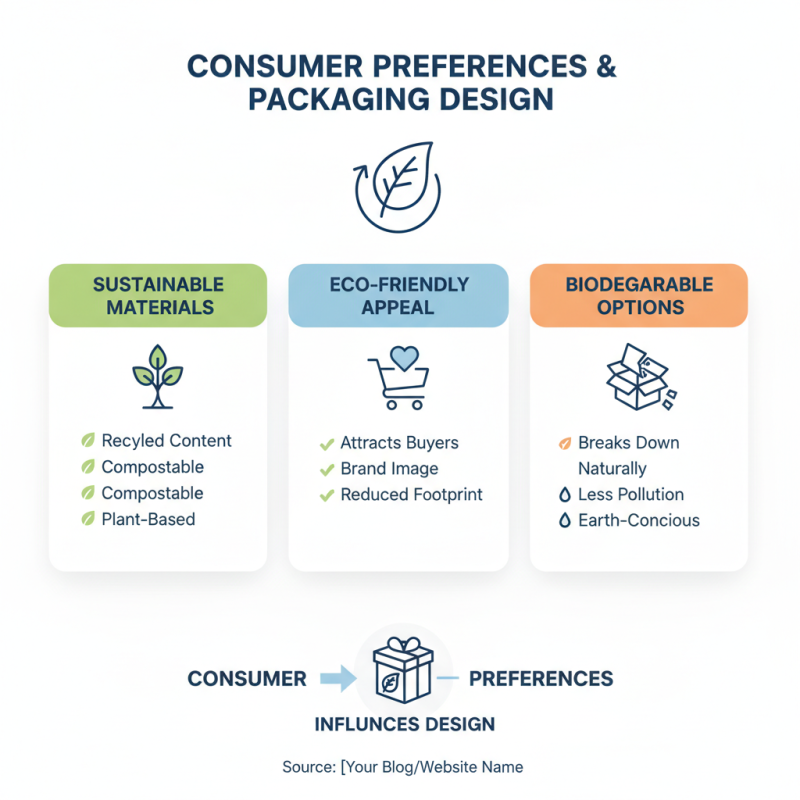
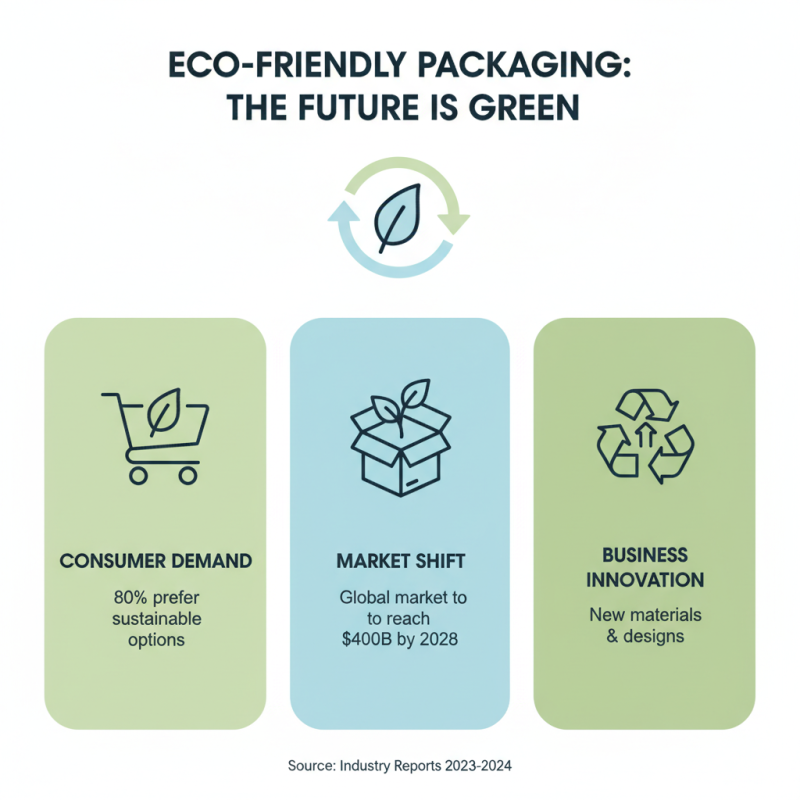
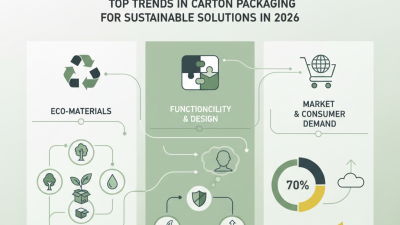
In today's market, eco-friendly packaging has gained significant traction. More consumers demand sustainable solutions. This shift influences how products are presented. Companies must rethink materials and design to catch the eye of environmentally conscious buyers.
Recycled materials, biodegradable options, and minimalistic designs attract attention. Simple packaging can highlight the product itself. However, many businesses still rely on traditional, less sustainable methods. It’s a challenging balance. Brands often worry that eco-friendly materials won't perform as well or look appealing. This concern can hinder progress.
Adopting eco-friendly practices isn’t just beneficial; it’s necessary. Companies should test out new materials, even if it means a temporary setback in profits. Experimentation can lead to innovative solutions. Engaging customers through sustainability creates loyalty. Yet, the journey toward improvement demands effort and reflection on existing methods.
Leveraging Technology: Interactive Packaging for Enhanced Customer Experience
Interactive packaging is transforming how brands engage customers. Utilizing advanced technology can create memorable experiences. According to a study by Packaging Technology and Science, 70% of consumers prefer packaging that provides interactivity. This statistic highlights a shift in consumer expectations.
Brands can leverage augmented reality (AR) and QR codes. These tools can offer immersive content, driving deeper connections. For example, a simple scan can lead to videos, games, or behind-the-scenes looks. Consumers enjoy these interactions. However, not every attempt is successful. Some designs might confuse rather than engage.
Sustainability is also crucial. Brands must balance innovation with eco-friendly practices. A report by the Ellen MacArthur Foundation states that 82% of consumers care about sustainable packaging. Focusing on sustainability while integrating technology can be challenging. It’s important to listen to customer feedback. Understanding their needs can refine strategies. Continuous evaluation is necessary to avoid missteps.