Top In-Wall Countdown Timer Features for Global Buyers?
In contemporary smart homes, the demand for efficient time management has surged. One key player in this domain is the In-Wall Countdown Timer. This tool not only enhances daily routines but also promotes energy savings. Global consumers value functionality, ease of use, and aesthetics.
When selecting an In-Wall Countdown Timer, various features come into play. Buyers consider programmable settings, intuitive interfaces, and reliable performance. Yet, despite their popularity, not all timers meet expectations. Some users find setups complicated. Others express concerns about durability. Such reflections highlight the importance of choosing wisely.
Today’s market offers a broad range of options. Understanding the specific needs of different environments is crucial. Features may vary greatly among brands. Selecting the ideal In-Wall Countdown Timer can significantly impact convenience and efficiency in any home. Therefore, careful consideration is vital.
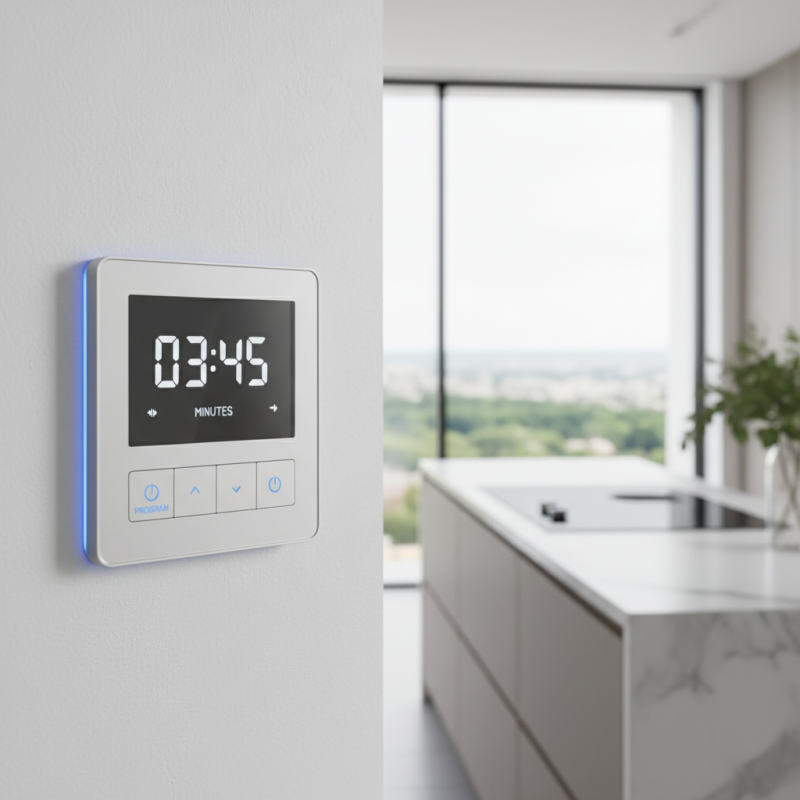
Essential Features of In-Wall Countdown Timers for International Users
When selecting in-wall countdown timers, international users should consider several essential features. These timers often need to accommodate diverse voltage standards. Many regions use different electrical systems. A universal voltage input can enhance usability and make the product suitable for various markets.
User interface plays a significant role in functionality. An intuitive display and easy-to-navigate controls can greatly improve the user experience. Customers may prefer clear indicators, especially in challenging lighting conditions. However, some designs may not prioritize readability, leading to confusion.
Programmability is another crucial aspect. A timer that allows users to customize settings to fit their schedules is valuable. Not all timers provide sufficient flexibility. Users might find themselves wishing for more programmable options to optimize their routines. Additionally, durability should not be overlooked. Quality materials will ensure the timer withstands daily use and environmental challenges. Yet, some products fall short on this front, prompting users to reconsider their options.
Understanding the Market Demand for Countdown Timers Worldwide
The global market for countdown timers is expanding rapidly. Recent studies indicate a projected growth rate of 8% annually over the next five years. This surge is driven by increased demand in both residential and commercial sectors. Key applications include energy management and event timing. Users are becoming more aware of the benefits these devices offer.
The rise in smart home technology fosters a greater interest in integrated countdown timers. Devices that blend functionality with user-friendly interfaces appeal to consumers. Moreover, sustainability trends are pushing more buyers towards energy-efficient solutions. These features help homeowners manage their electricity consumption, reducing waste.
Tip: When selecting a countdown timer, focus on energy-saving capabilities and smart connectivity. Assess installation requirements upfront. For commercial settings, durability and ease of use are critical. While many products feature impressive designs, consider functionality first. Not all models can perform under extreme conditions. Testing them in different scenarios can reveal their true potential.
Top In-Wall Countdown Timer Features for Global Buyers
Comparative Analysis of Popular In-Wall Countdown Timer Brands
When exploring in-wall countdown timers, several factors come into play. The primary feature is ease of use. Many timers now offer intuitive interfaces with large, clear displays. Users appreciate backlit screens that make reading the timer in dim lighting easier. Additionally, some models include touch-sensitive buttons, which enhance the user experience.
Durability and reliability are crucial characteristics too. A well-made timer should withstand regular use without malfunction. Water resistance is a vital consideration in humid areas. Buyers should also look at the range of timer settings available. Some designs offer flexibility with multiple countdown options. This feature allows for varied applications, from lighting control to heating systems.
Despite the advancements, not all timers are created equal. Some models may have inconsistent performance or frequent software glitches. Users sometimes report issues with Wi-Fi or Bluetooth connectivity. This inconsistency can lead to frustrations in everyday use. Analyzing comparisons based on user feedback is essential. It helps in identifying reliable options among the vast array of available products.
Top In-Wall Countdown Timer Features for Global Buyers
| Feature | Description | Rating (1-5) | Pricing Range |
| Digital Display | Bright LED screen for easy reading | 4 | $20 - $50 |
| Programmable Settings | Multiple timer options for flexibility | 5 | $25 - $60 |
| Voice Control | Compatible with smart home systems | 3 | $30 - $70 |
| Countdown Modes | Different countdown settings for varied tasks | 4 | $15 - $55 |
| Energy Efficient | Low power consumption features | 5 | $22 - $65 |
Key Technical Specifications Affecting Timer Performance
When selecting an in-wall countdown timer, several technical specifications are crucial for ensuring optimal performance. One significant factor is the timer's power rating. Timers with higher power ratings can handle greater loads, making them suitable for various applications. Understanding the operating voltage is also essential. Incorrect voltage can lead to malfunctions or device failure.
Another important aspect is the timer's programming features. Look for models with intuitive interfaces, which make the timer easier to set up. Advanced timers may offer multiple programming options for different days of the week or holidays. This flexibility is beneficial for users with varying schedules.
Tips: Always check the timer's accuracy. Inaccurate timers can distort your planning. Additionally, consider ease of installation. Some timers require specialized tools, making installation tougher. If you're not handy, choose user-friendly options.
Another key detail is the timer's display type. A clear, bright display enhances visibility, especially in dimly lit areas. Buttons should be easy to operate and understand. This reduces confusion during setup and adjustments. While features are essential, overcomplicating the design can lead to user frustration. Focus on simplicity along with functionality for a better user experience.
User-Friendly Designs for Enhanced Functionality and Accessibility
When it comes to countdown timers, user-friendly designs are vital. Many buyers prioritize easy navigation and intuitive interfaces. Buttons should be large and well-spaced. This ensures users can operate devices effortlessly. Clear displays can show time remaining in large, readable digits. Some timers even offer adjustable brightness for comfort in various lighting conditions.
Another important aspect is accessibility. Including tactile features, like Braille, can enhance usability for visually impaired users. Timers that produce distinct sounds at the end of a countdown provide auditory cues. This adds another layer of accessibility for those who struggle with visual information.
However, some designs may sacrifice functionality for aesthetics. It's essential to strike a balance between style and usability. Finding models that combine both aspects can be challenging. Users should consider trial and error when selecting timers that fit their needs perfectly. Knowing that some features may feel unnecessary can guide better choices.