Pulp Molding Innovations at 2026 Canton Fair What to Expect?
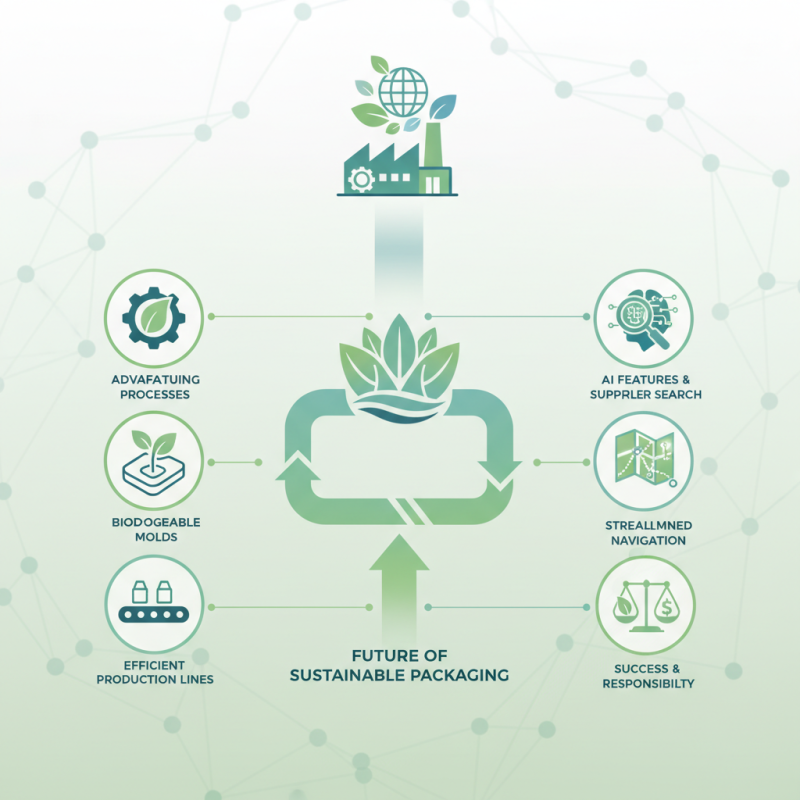
As the 2026 Canton Fair approaches, the spotlight will shine on pulp-molding innovations. Industry expert Dr. Jane Smith notes, "Pulp-molding represents the future of sustainable packaging." This emphasizes the growing relevance of eco-friendly materials in today's market.
Attendees can expect to see advanced manufacturing processes in pulp-molding, showcasing new techniques. Innovations such as biodegradable molds and efficient production lines will likely dominate. These advancements are crucial as consumer demand shifts towards sustainability.
The fair will also include AI features, enhancing supplier search capabilities. Buyers can seek out compliant pulp-molding manufacturers with ease. Streamlined navigation may improve the experience within the expansive exhibition space. However, it’s essential for businesses to reflect on their impact on the environment. Embracing these innovations can lead to both success and responsibility.
Pulp Molding Technology Overview and Its Importance in Sustainability
Pulp molding technology has emerged as a pivotal player in sustainability efforts across various industries. This process involves using recycled paper products to create biodegradable packaging and other items. According to a study by Smithers, the global market for pulp molding is projected to reach $5.1 billion by 2025, demonstrating a growing interest in eco-friendly alternatives.
The production of pulp molded products significantly reduces plastic waste. For instance, eco-friendly packaging solutions can replace traditional materials in shipping and storage. Reports highlight that transitioning to pulp-based options can lower carbon footprints by up to 30%. However, the technology still faces challenges, such as scalability and cost. While many companies are eager to adopt these methods, not all are equipped for mass implementation.
Innovations in machinery and techniques could enhance efficiency. Advances in drying processes and design could lead to reduced production times and costs. Yet, the transition remains complex, with numerous variables at play. Industry stakeholders need to continue exploring new solutions to fully realize the potential of pulp molding technology.
Key Innovations in Pulp Molding Scheduled for 2026 Canton Fair
The 2026 Canton Fair promises exciting innovations in pulp molding. This segment is gaining traction for its eco-friendliness and practicality. Visitors can expect to see advanced techniques that enhance production efficiency and reduce waste. Innovative designs will showcase versatility, making these pulp products suitable for various uses, from packaging to sustainable home goods.
One key area of focus is the use of biodegradable materials. Exhibitors may present solutions that utilize agricultural waste. This not only supports sustainability but also lowers production costs. Manufacturers are experimenting with new fiber compositions. However, not all attempts may yield perfect results, highlighting the importance of ongoing development in this field.
Tips: Check the exhibitor list in advance. This can help plan your visit effectively. Engage with representatives to gain insights into recent advancements. Don’t shy away from asking about their challenges. Understanding the hurdles they face can offer a deeper perspective on industry trends. Such conversations may lead to unexpected ideas and collaborations that benefit everyone.
Leading Exhibitors and Their Contributions to Pulp Molding Innovations
Pulp molding is transforming the packaging industry. At the 2026 Canton Fair, visitors will discover exciting innovations. Leading exhibitors are set to showcase their latest advancements in this eco-friendly manufacturing process. Their contributions are vital for the future of sustainable packaging.
Many companies are experimenting with new techniques and materials. Some are focusing on biodegradable additives. Others prioritize energy-efficient production methods. These innovations could redefine how we think about packaging. However, challenges remain. Not every innovation is feasible on a large scale yet. It's essential to balance innovation with practicality.
Tips: When exploring these exhibits, take notes of your favorites. Engage with the representatives. Ask about the R&D process behind their innovations. It helps to understand their challenges and successes. This insight could inspire new ideas in your own projects. Don't hesitate to provide feedback; it fosters improvement.
Potential Market Impact of Pulp Molding Innovations on Industry
Pulp molding innovations are set to reshape the industry during the 2026 Canton Fair. These advancements may significantly impact sustainability efforts and production processes. According to a recent market analysis, the global pulp molding market is projected to grow by 12% annually through 2030. This growth is fueled by increasing environmental concerns and demand for biodegradable products.
The introduction of new technologies can enhance production efficiency. For instance, improved molding techniques can reduce waste by up to 30%. However, adapting to these technologies might pose challenges for smaller manufacturers. They often lack the resources required for such transformations. Moreover, the integration of automation in pulp molding processes raises questions about job security in the industry.
Sustainable packaging solutions will be crucial. The data indicates that 65% of consumers prefer eco-friendly products. This trend may compel more companies to adopt pulp molding innovations. However, some industry players might struggle with the transition. They may face barriers in sourcing sustainable raw materials or adjusting production lines. Balancing innovation with practicality is key for long-term success.
Pulp Molding Innovations at 2026 Canton Fair - Potential Market Impact
| Innovation Type | Environmental Impact | Market Demand (2026) | Potential Growth (%) |
| Biodegradable Packaging | Reduces plastic waste | 15% increase | 20% |
| Food Containers | Compostable materials | 10% increase | 15% |
| Consumer Goods | Sustainable sourcing | 12% increase | 18% |
| Automotive Parts | Lower carbon footprint | 8% increase | 10% |
| Electronics Packaging | Minimizes e-waste | 5% increase | 12% |
Future Trends in Eco-Friendly Packaging and Pulp Molding Solutions
As the 2026 Canton Fair approaches, the focus on eco-friendly packaging becomes increasingly important. Pulp molding solutions are gaining traction. These methods use renewable resources, reducing plastic waste. More manufacturers are exploring innovative design processes. This shift could reshape the packaging industry significantly.
At the fair, expect to see prototypes that emphasize sustainability. Exhibitors are working on creating efficient production techniques. Many aim to reduce energy use and waste generation. While progress is evident, challenges remain. Manufacturers must balance quality and eco-friendliness. Some materials still require improvement in durability.
The movement toward greener options is not without obstacles. Consumers often hesitate to adopt new materials. Education on these innovations is vital. Awareness campaigns can connect brands with their audiences. Exploring these dynamics at the Canton Fair will reveal the direction of eco-friendly packaging. Observing these trends can inspire new ideas for future projects.