What is a Soap Bar Strainer and How Does It Work?
In the realm of kitchen accessories, the "soap bar strainer" stands out as an essential tool. Expert James Anderson has remarked, "A soap bar strainer is crucial for achieving a clean and effective wash." Its design allows for a practical solution to everyday tasks.
The soap bar strainer works by trapping residue while allowing liquid soap to flow freely. This makes it perfect for those who appreciate a neat sink. Imagine a busy kitchen where soap becomes a hassle. The strainer’s fine mesh catches unwanted particles, ensuring smooth soap application.
However, not all soap bar strainers are created equal. Some may not fit standard sinks or are difficult to clean. Users often overlook the importance of quality in these products. Regular maintenance is key to ensure longevity. A good soap bar strainer can save time and keep your workspace tidy. Yet, many still wrestle with ineffective options. This highlights the need for thoughtful purchases and reflections on what truly works.
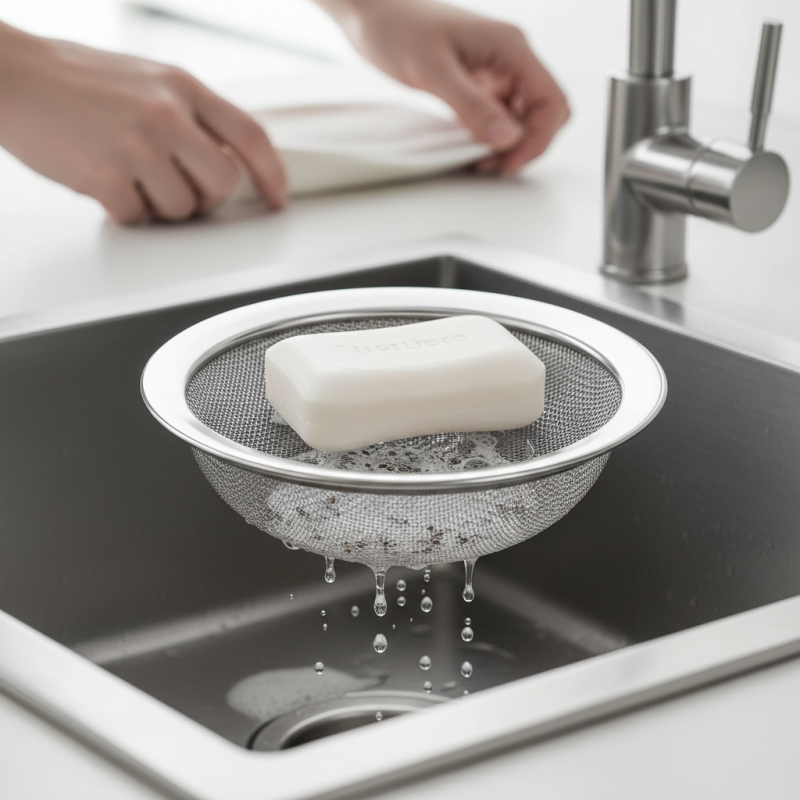
What is a Soap Bar Strainer?
A soap bar strainer is a simple yet effective tool designed for a specific purpose. It helps filter unwanted particles from liquids. Generally, these strainers are used in the process of adding soap bars to water. This ensures that the resulting liquid is smooth and free from debris.
The design usually features a small mesh that prevents solid bits from passing through. To use it, one places the soap bar inside the strainer and pours hot water over it. The heat helps dissolve the soap. However, not all strains are perfect. Sometimes, tiny soap fragments can escape through the mesh. These imperfections can be frustrating for users seeking a clean solution.
In practice, remembering to clean the strainer is crucial. Residue can build up and affect future use. It may seem tedious, yet a clean strainer is essential for optimal performance. Users may find themselves reflecting on their maintenance habits. A neglected strainer can lead to a less enjoyable experience. Wanting a perfected process can often lead to learning moments.
The History and Development of Soap Bar Strainers
Soap bar strainers have a fascinating history. Initially, they were simple tools made from natural materials. Early users crafted them from woven fibers like grasses or reeds. These basic designs aimed to filter impurities from homemade soap. As craftsmanship improved, materials evolved.
In the late 19th century, metal strainers gained popularity. They were more durable and offered improved functionality. However, this transition wasn’t always perfect. The manufacturing process sometimes compromised the quality of the strainers. Users reported that some designs allowed tiny particles to pass through. This issue pushed artisans to reconsider their methods.
Today, soap bar strainers continue to evolve. While modern versions may include advanced materials, the essence remains. They strive to ensure a clean, smooth soap experience. Yet, even with advancements, the old challenges linger. Are we really maximizing their potential? Reflection on this can lead to better designs in the future.
How Does a Soap Bar Strainer Work?
A soap bar strainer is designed to enhance clarity in liquid products. It has become a popular tool in personal care manufacturing. This tool captures unwanted particulates, leaving the final product clean and appealing. In the cosmetic industry, 85% of consumers value clear products. Strainers play a crucial role in achieving that clarity.
The strainer works by utilizing a fine mesh to filter materials. When liquid passes through, larger particles are trapped. It often requires regular cleaning for optimal efficiency. Some manufacturers report a 30% reduction in returns due to sediment visibility when using strainers. However, not all contaminants are caught on the first pass. This means multiple strains might be necessary, which can increase processing time.
Yet, reliance on strainers has its drawbacks. Inefficient filtration can lead to product inconsistency. Some soap makers find that emulsifiers are still needed to prevent separation. While the strainer helps, it is not a foolproof solution. These challenges urge creators to refine their processes, enhancing both product quality and consumer satisfaction.
What is a Soap Bar Strainer and How Does It Work?
| Feature | Description |
| Material | Typically made from stainless steel or plastic for durability and corrosion resistance. |
| Function | Designed to filter out impurities from liquid soaps, ensuring a smooth application. |
| Design Type | Often features a mesh or perforated design for optimal filtering. |
| Usage | Ideal for use in home kitchens, restaurants, and production facilities for liquid soap. |
| Maintenance | Requires regular cleaning to prevent clogging and ensure continuous performance. |
| Benefits | Improves the quality of the soap, enhances texture, and prolongs equipment lifespan. |
Materials Used in Soap Bar Strainers
Soap bar strainers serve a critical function in maintaining the integrity of soap formulations. The materials used for these strainers must strike a balance between durability and effectiveness. Common materials include stainless steel and nylon mesh. Stainless steel offers longevity and resistance to corrosion, making it an ideal choice. Nylon mesh is lightweight and allows easy flow while filtering out impurities.
Industry reports indicate that stainless steel strainers can last up to five years under regular use. This is significantly longer compared to plastic options, which may degrade in just a year. There’s a noticeable shift towards eco-friendly materials as well. Biodegradable alternatives are becoming popular amid growing environmental concerns. However, these options often compromise on durability.
Users often overlook the cleaning and maintenance of their straining materials. It’s not uncommon for soap makers to find residues building up in strainers. Regular cleaning is essential to avoid clogs. While investing in high-quality materials is beneficial, neglecting upkeep can lead to prolonged issues. This reflection on maintenance habits is vital for successful soap production.
Material Composition in Soap Bar Strainers
This chart illustrates the percentage composition of various materials used in soap bar strainers. The majority of soap bar strainers are made from plastic, followed by metal and silicone. Understanding these materials can help in selecting the right strainer based on durability and functionality.
Benefits of Using a Soap Bar Strainer in Daily Life
A soap bar strainer is a simple yet effective tool for enhancing your daily cleansing routine. It allows users to maximize the life of their soap bars by recycling leftover bits that typically go to waste. According to a study by the EcoSoap Bank, about 2.5 million bars of soap are discarded each year, contributing to environmental waste. By utilizing a strainer, households can significantly reduce this impact.
In daily life, the benefits are clear. The strainer makes it easy to enjoy every last bit of soap. It captures small fragments, preventing them from slipping away. This not only saves money but also leads to less frequent purchases. A 2022 survey revealed that 64% of consumers reported reduced soap costs after using a strainer. While some might overlook this tool, it effectively encourages a more sustainable lifestyle.
However, some users find the maintenance of a soap bar strainer confusing. Cleaning and drying it can feel like a chore. Many strainer designs require regular attention to prevent soap buildup. Users should consider personal habits when deciding to invest. Reflecting on this can help identify if the benefits outweigh the inconvenience for them.