Top 10 Packaging Materials You Need to Know About?
In the dynamic world of commerce, packaging materials play a crucial role. Renowned packaging expert, Dr. Alice Reynolds, states, “Effective packaging is the unsung hero of product success.” This highlights the importance of materials used in packaging. From aesthetics to functionality, packaging materials shape consumer experiences.
Choosing the right packaging materials is not just about appearance. It is about ensuring safety, sustainability, and cost-effectiveness. Companies often struggle to balance these factors. Common packaging materials include paper, plastic, glass, and metal. Each has its own benefits and drawbacks. For instance, plastic is lightweight and durable, but raises environmental concerns.
The challenge lies in making informed decisions. The wrong choice can harm a brand's image. Many businesses overlook the long-term impact of their packaging materials. However, it is essential to reflect on how these choices affect customer satisfaction and environmental health. As we delve into the top ten packaging materials, let’s embrace the complexities within this vital aspect of product design.
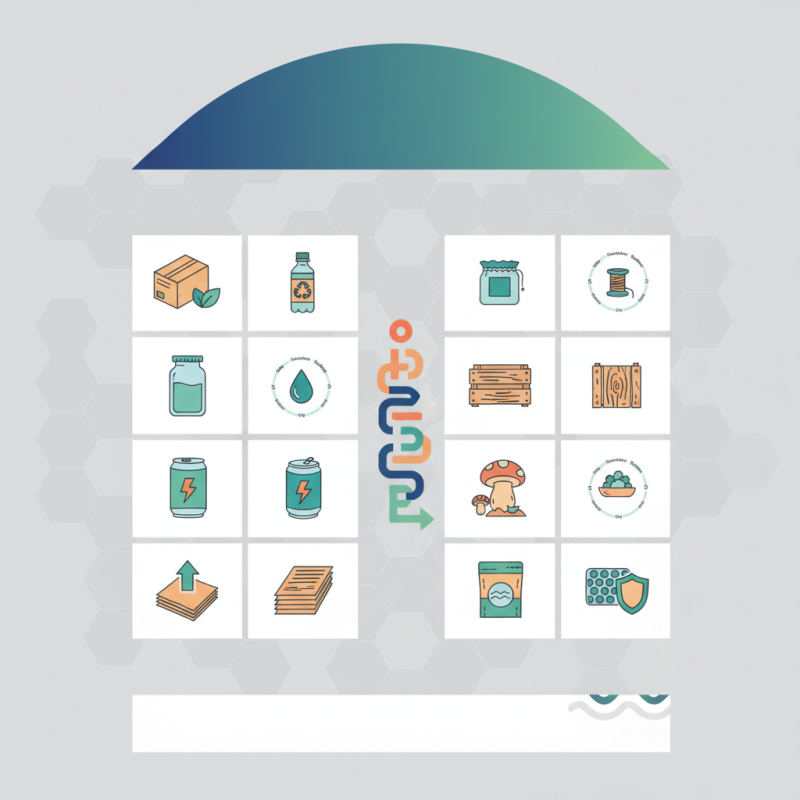
Overview of Packaging Materials: Importance and Uses
When discussing packaging materials, it’s crucial to understand their significance. Packaging protects products during transit. It serves to prevent damage and contamination. The choice of material can affect the product’s shelf life. This is vital for food items and pharmaceuticals. Each type of packaging material has a unique role and benefits.
Common materials include cardboard, plastic, and glass. Cardboard is lightweight yet sturdy. It is often recyclable, which is appealing for eco-conscious consumers. Plastic, while versatile and durable, poses challenges in waste management. Glass packaging offers a premium feel but can be heavy and breakable. Each has its advantages and drawbacks, requiring careful consideration.
Sustainability is a growing concern. Many industries are seeking materials that minimize environmental impact. Biodegradable options are gaining traction. However, they may not always provide the same functionality as traditional materials. Companies must weigh cost against ecological benefits. The quest for the perfect packaging solution continues, reflecting an ongoing challenge in the industry.
Top 10 Packaging Materials You Need to Know About
| Material |
Importance |
Common Uses |
Environmental Impact |
| Cardboard |
Eco-friendly, lightweight, and sturdy. |
Shipping boxes and product packaging. |
Biodegradable and recyclable. |
| Plastic |
Versatile, durable, and waterproof. |
Bottles, containers, and wraps. |
Non-biodegradable; recycling is essential. |
| Glass |
Recyclable, non-toxic, and preserves food quality. |
Beverage bottles and food jars. |
Highly recyclable; energy intensive to produce. |
| Metal |
Strong and durable with excellent barrier properties. |
Cans and foil packaging. |
Recyclable; requires energy for production. |
| Biodegradable Plastics |
Designed to decompose naturally. |
Food service products and bags. |
Less environmental impact; compostable options. |
| Paper |
Recyclable and customizable. |
Wrapping paper and labels. |
Biodegradable; sourced from renewable resources. |
| Foam |
Lightweight and impact-resistant. |
Protective packaging for fragile items. |
Non-biodegradable; recycling challenges. |
| Seaweed-based Packaging |
Sustainable and edible options. |
Food wraps and containers. |
Biodegradable; promotes ocean sustainability. |
| Cotton and Fabric |
Reusable and biodegradable. |
Bags and wraps for products. |
Biodegradable; renewable material when sourced sustainably. |
Biodegradable Packaging: Advantages and Eco-Friendly Options
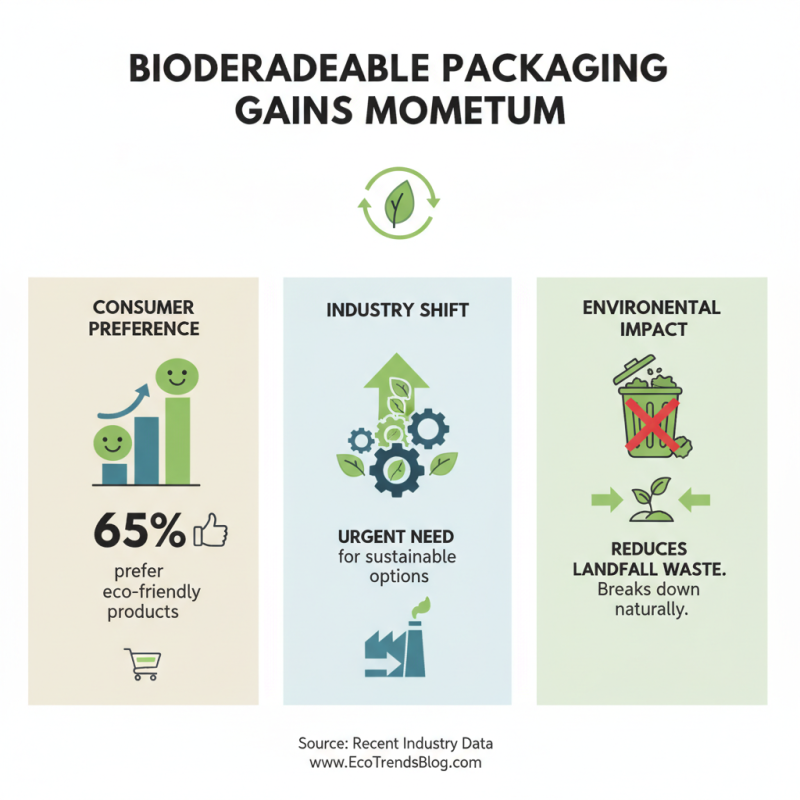
Biodegradable packaging is gaining traction in the consumer goods industry. Recent data shows that approximately 65% of consumers prefer products with eco-friendly packaging. This shift reveals an urgent need for brands to explore sustainable options. Biodegradable materials reduce landfill waste. These options can break down naturally in the environment.
Common biodegradable materials include paper, plant-based plastics, and starch-based foams. A report from the National Association of State Departments of Agriculture states that these materials can decompose within months. This contrasts with traditional plastics, which can take hundreds of years. However, the availability and cost of biodegradable packaging remain challenges. Many businesses hesitate to switch due to these issues.
It’s crucial to improve the efficiency of biodegradable packaging production. Companies must invest in innovation to reduce costs. Environmental benefits are clear, but the industry needs to evolve. Consumer education on proper disposal methods is also necessary. Without this, biodegradable materials may not achieve their full potential.
Plastic Packaging Variants: Types, Properties, and Application
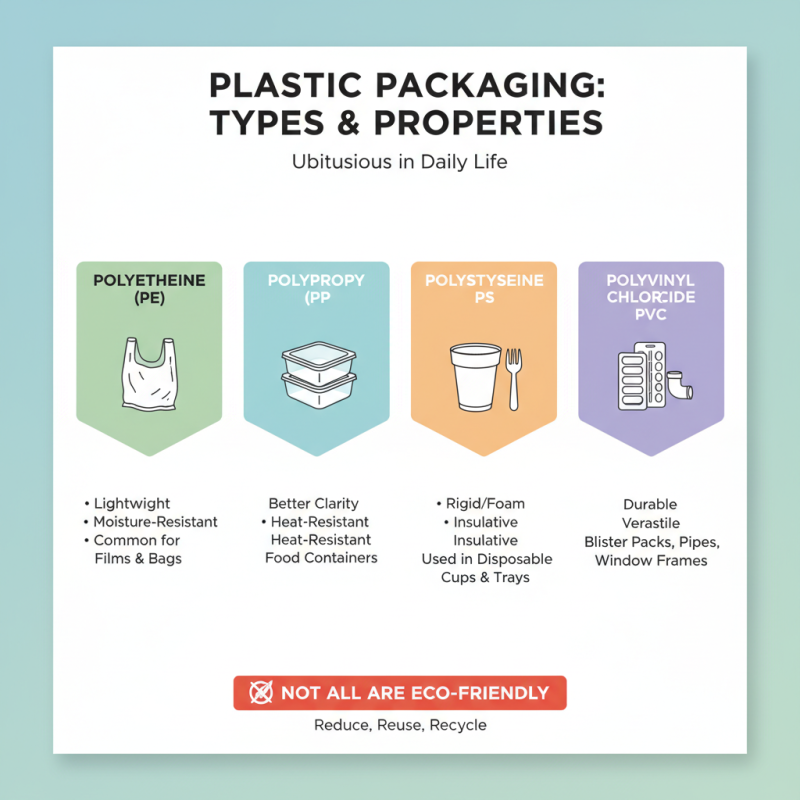
Plastic packaging is ubiquitous in our daily lives. There are various types available, each with unique properties and applications. Common types include polyethylene (PE), polypropylene (PP), polystyrene (PS), and polyvinyl chloride (PVC). Polyethylene is lightweight and resistant to moisture. Polypropylene offers better clarity and is heat-resistant, making it ideal for food containers. However, not all options are as eco-friendly as we might hope.
When considering plastic types, we must recognize their environmental impact. Many plastics take centuries to decompose. Improper disposal can lead to pollution in oceans and landscapes. It raises concerns about wildlife safety and human health. Some plastics are recyclable, but recycling rates remain low. Awareness is essential for responsible usage.
Alternative biodegradable options are emerging, but they also have limitations. For example, some bioplastics may end up requiring specific composting conditions. Users must reflect on the choices made in packaging. Understanding these aspects can lead to more sustainable habits. The journey toward eco-friendly packaging is ongoing and requires our attention.
Glass Packaging: Benefits and Sourcing Considerations
Glass packaging has gained immense popularity in recent years. It is known for being eco-friendly and recyclable. According to the Glass Packaging Institute, about 80% of glass containers are recycled, making glass one of the most sustainable packaging materials available. This high recycling rate reflects consumer preference and growing environmental awareness.
However, there are sourcing considerations that companies must keep in mind. Glass is significantly heavier than materials like plastic. This added weight can increase shipping costs. Furthermore, breakage during transport remains a concern. In fact, studies show that nearly 30% of glass containers can break in transit if not carefully handled.
Despite these challenges, the aesthetic appeal of glass cannot be overlooked. Brands often choose glass for its premium look and feel. Research indicates that consumers often associate glass packaging with higher quality. However, companies must balance this perception with logistical challenges. In the end, it's crucial to weigh the benefits against the costs of sourcing glass effectively.
Top 10 Packaging Materials You Need to Know About: Glass Packaging Benefits and Sourcing Considerations
This chart illustrates the various benefits and considerations when sourcing glass packaging materials. Each category is rated based on its importance, showing that sustainability and recyclability are the top factors driving the usage of glass in packaging solutions.
Innovations in Packaging Materials: Trends and Future Directions
Innovations in packaging materials are transforming industries. According to a recent report by Smithers Pira, the global market for sustainable packaging is predicted to grow to $400 billion by 2027. This shift towards eco-friendly materials reflects consumer demand for sustainability. Biodegradable plastics and recycled content are at the forefront of this movement. Brands are increasingly investing in these materials to reduce their carbon footprint.
However, challenges remain in this transition. Many biodegradable options still require specific conditions to break down. Some businesses struggle with the higher costs associated with sustainable materials. The 2022 Packaging Innovation Report highlighted that 30% of companies still prioritize cost over sustainability. Innovations like mushroom-based packaging and seaweed wraps show promise, yet they face scalability issues. Market adaptation takes time, and not all companies are ready to embrace these changes.
Consumer awareness is increasing, but education is needed. Many still do not understand the differences in materials. Reports indicate that around 50% of consumers express confusion regarding recyclable packaging. Efforts must be made to bridge this knowledge gap. As we move forward, the packaging industry must address these shortcomings to meet both consumer expectations and sustainability goals.