Top Shop Packaging Trends for 2026 Are You Keeping Up?
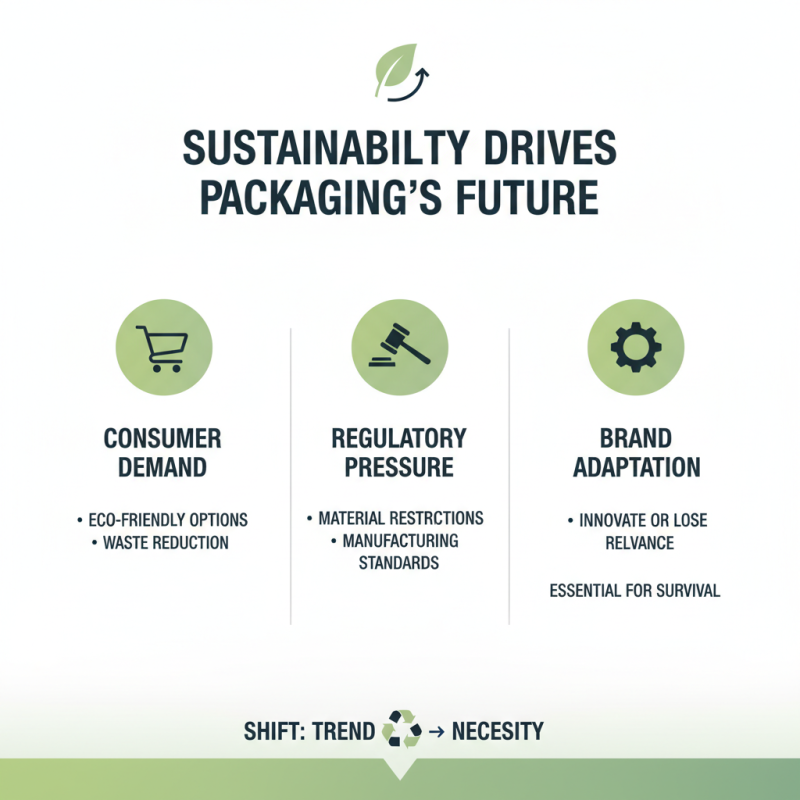
As we look towards 2026, the world of shop packaging is set to undergo significant transformations. Recent industry reports predict that sustainable packaging will dominate, with over 70% of consumers prioritizing eco-friendly options. Brands need to adapt quickly to stay competitive. Despite the increasing demand for sustainability, many businesses still rely on traditional packaging methods. This could be a critical mistake.
Current trends indicate that minimalist designs will become increasingly popular. Research shows that 55% of consumers prefer simple, yet elegant packaging. This highlights the need for brands to rethink their shop packaging strategies. However, challenges remain. Many companies struggle to balance cost with quality. There is a fine line between appealing design and functionality.
Moreover, digital engagement will play a crucial role. Studies reveal that 80% of shoppers are influenced by packaging that tells a brand's story. Yet, only a fraction of businesses effectively utilize storytelling in their shop packaging. Moving forward, brands must reflect on their current practices to meet these evolving demands. Embracing innovation while acknowledging flaws could be the key to a successful packaging strategy in the coming years.
Emerging Eco-Friendly Materials in Packaging for 2026
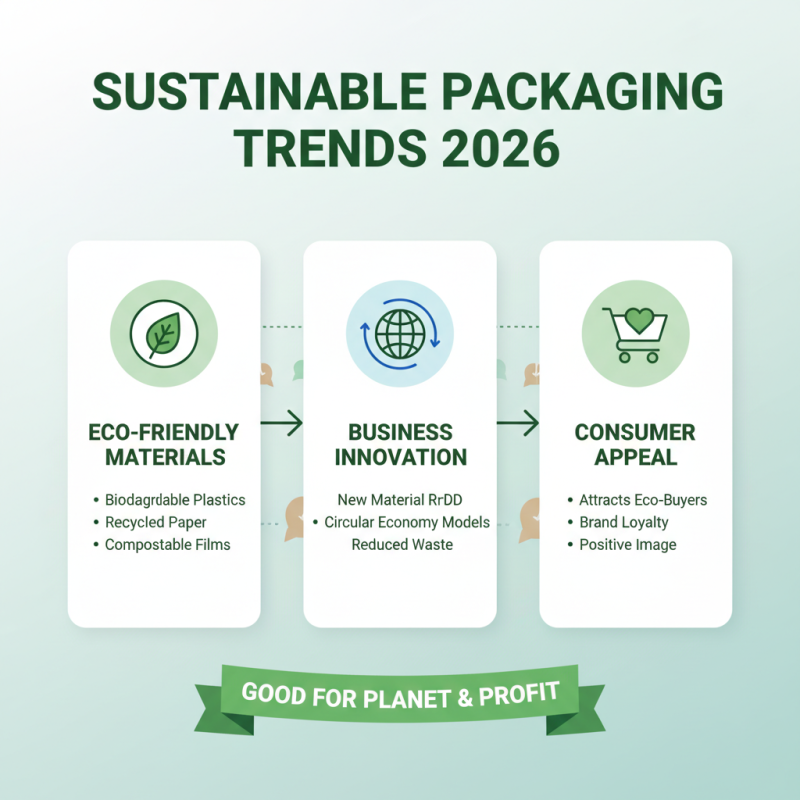
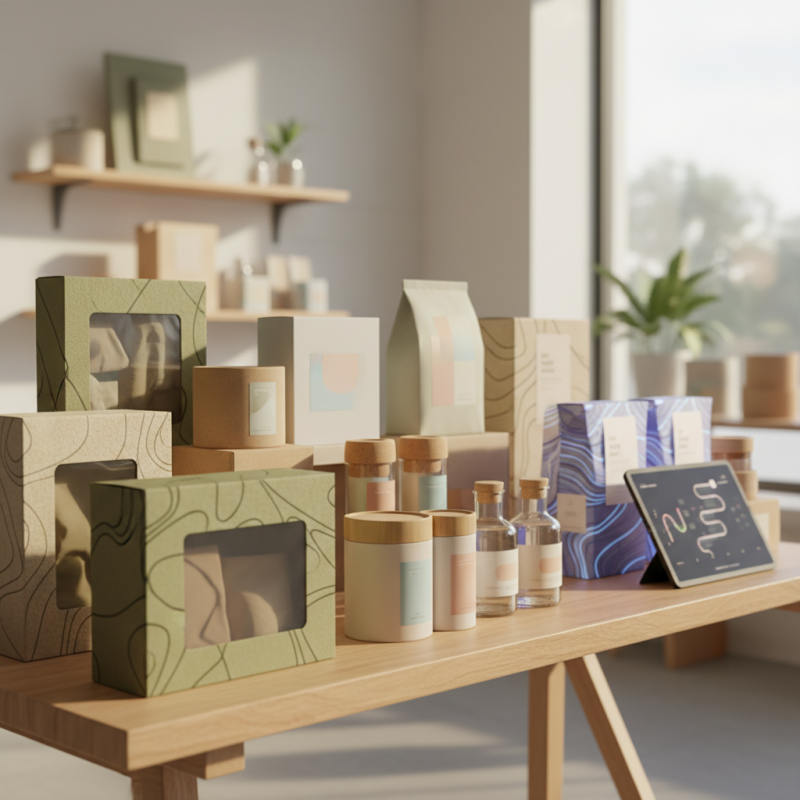
Sustainability in packaging is a growing trend for 2026. Eco-friendly materials are changing how products are presented. More businesses are exploring innovative choices. Biodegradable plastics and recycled paper are leading this movement. These materials are not just good for the planet; they also attract eco-conscious consumers.
Make sure to consider the life cycle of your packaging. Choose materials that minimize waste. Think about using plant-based options or compostable materials. These choices can reduce your carbon footprint significantly. However, many companies still struggle with sourcing these sustainable materials. A reflective approach is necessary. It’s essential to evaluate the effectiveness of new materials continuously.
When designing your packages, keep it simple. Complicated designs can lead to increased waste. Focus on functionality and minimalism. Test your designs with real users. Get feedback and iterate. Your decisions today will impact the environment tomorrow. Adapting to eco-friendly trends is not just a choice; it’s a responsibility.
Innovative Design Trends Shaping Retail Packaging Aesthetics
As we look ahead to 2026, retail packaging is undergoing a dramatic transformation. Innovative design trends are redefining packaging aesthetics. A recent report indicates that 72% of consumers prefer eco-friendly packaging. Brands must adapt to this shift. Unique shapes and sustainable materials are becoming the norm. A striking design can create a memorable unboxing experience.
Tips: Focus on minimalist design. Simple visuals can convey powerful messages. Avoid clutter in graphics. Use colors that resonate with your brand identity. This clarity can attract attention quickly.
Moreover, tactile packaging is gaining traction. Buyers love packaging they can feel. Textured surfaces or interactive elements engage consumers on a personal level. A study highlights that products with tactile packaging see a 15% increase in purchase likelihood. However, consistency in branding is essential. A beautiful package may lose impact if it doesn’t reflect the brand’s essence.
Tips:
Test multiple prototypes. Gather feedback early to refine your designs. Explore materials that enhance tactile appeal without increasing costs. It's a delicate balance. Attention to detail can lead to greater customer loyalty.
Technology Integration: Smart Packaging Solutions for Consumer Engagement
As we move towards 2026, integrating technology into packaging is set to revolutionize consumer engagement. Smart packaging, equipped with QR codes and NFC technology, allows brands to create interactive experiences. Studies indicate that about 70% of consumers engage more when they can access digital content via their packaging. This trend reflects a shift in consumer expectations. They seek deeper connections and relevant information from brands.
However, this integration poses challenges. Not all packaging is designed for smart technology. Brands need to consider costs and feasibility. Reports suggest that around 35% of companies face difficulties in implementing smart packaging solutions. Consumer concern about privacy adds another layer of complexity. As brands adopt new technologies, transparency must remain a priority.
The data shows a growing appetite for innovation. Roughly 65% of consumers say that smart packaging influences their purchasing decisions. Yet, many brands still lag in adapting. This gap highlights a need for continuous reflection on how technology can foster engagement without compromising values. The journey towards smarter packaging is as important as the destination.
Top Shop Packaging Trends for 2026: Smart Packaging Solutions for Consumer Engagement
| Trend |
Description |
Technology Used |
Consumer Benefit |
| Augmented Reality Packaging |
Packaging that users can interact with through AR apps for enhanced product information. |
Mobile Apps, AR Technology |
Improved shopping experience and product interaction. |
| Reusable Packaging |
Packaging designed for multiple uses, reducing waste and promoting sustainability. |
Eco-friendly Materials, IoT |
Reduced environmental impact and cost savings for consumers. |
| Smart Labels |
Labels that provide real-time data about the product, including freshness and storage conditions. |
RFID, NFC Technology |
Increased transparency and better-informed purchasing decisions. |
| Customizable Packaging |
Packaging that consumers can personalize with their own designs or messages. |
Digital Printing, Online Platforms |
Enhanced consumer engagement and brand loyalty. |
| Biodegradable Materials |
Packaging made from materials that break down naturally, minimizing environmental impact. |
Plant-based Plastics, Organic Compounds |
Positive impact on sustainability and brand image. |
Consumer Behavior Shifts: Demand for Transparency in Packaging
As consumer preferences evolve, the transparency in packaging becomes crucial. Shoppers want to know what they are buying. They seek clear labeling and sustainable materials. This trend is not just a fad; it reflects deeper values. Customers are increasingly concerned about health and the environment. Packaging that discloses ingredients and sourcing builds trust.
However, many brands struggle with transparency. They often overlook the importance of clear information. In some cases, unclear labels confuse consumers instead of informing them. Packaging can be cluttered, making essential details hard to find. Businesses need to find a balance between eye-catching design and straightforward information. Oversimplifying can lead to misconceptions, while overloading can overwhelm buyers.
The demand for transparency pushes brands to rethink their strategies. Innovative designs are emerging, focusing on clarity. Brands should consider how their packaging communicates values. As consumer awareness grows, brands must ensure their packaging aligns with expectations. A transparent approach fosters loyalty, but it requires genuine effort. It's a continuous journey, not just a checklist.
Top Shop Packaging Trends for 2026
This chart illustrates the projected consumer demand for transparency in packaging by percentage across different sectors for 2026.