Top 10 Wrapping Paper Trends for Global Buyers in 2026?
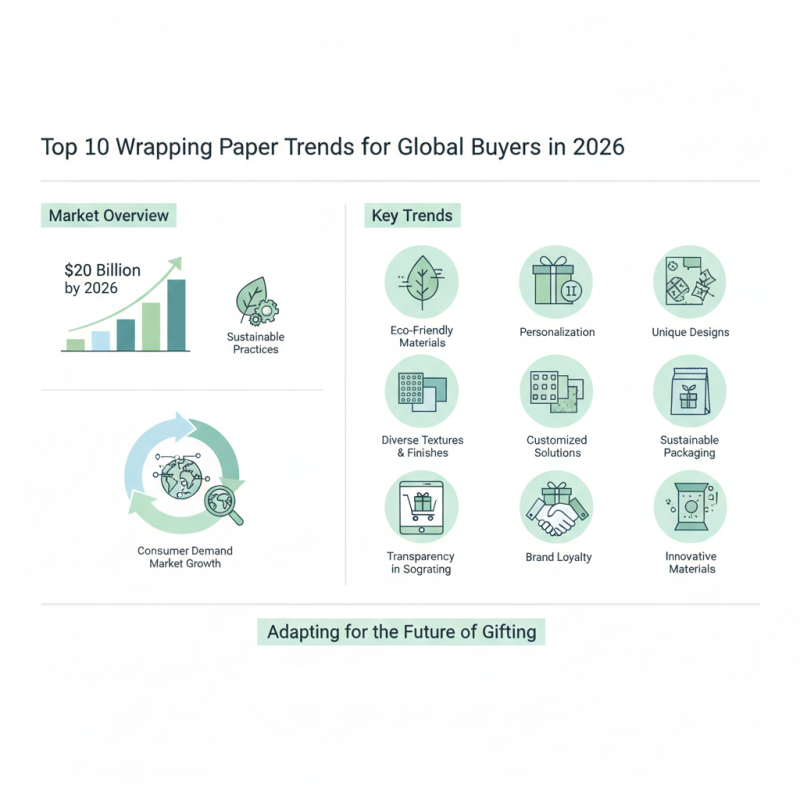
As we approach 2026, the Wrapping Paper industry is evolving rapidly. Recent market research indicates that the global market for wrapping paper is expected to reach $20 billion by 2026, driven by increased consumer demand and sustainable practices. These insights reveal a significant shift in consumer preferences towards eco-friendly options.
Trends show that personalization is becoming crucial. Shoppers increasingly favor unique designs that reflect individual style. Companies are experimenting with various textures and finishes to appeal to this desire for differentiation. The rise of e-commerce also plays a role, as online retailers embrace customized wrapping solutions.
Sustainability remains a challenge. Not all brands prioritize eco-conscious materials. There is a need for greater transparency in sourcing. This will affect consumer trust and brand loyalty. Identifying gaps in the market can lead to innovation. Successful wrapping paper companies will adapt to these trends while maintaining quality and integrity.
Emerging Eco-Friendly Materials in Wrapping Paper Production for 2026
As consumers become more eco-conscious, the wrapping paper industry is evolving. Eco-friendly materials are gaining traction for production in 2026. According to recent industry reports, the global demand for sustainable wrapping paper is projected to grow by over 30% within the next three years. This shift is largely driven by a preference for biodegradable and recyclable options.
One notable trend is the use of plant-based inks and packaging. These materials reduce harmful chemicals typically found in traditional wrapping paper. For instance, the adoption of post-consumer recycled paper has increased significantly, with estimates suggesting a rise to 50% by 2026. However, the challenge remains in ensuring that these alternatives are cost-effective and maintain aesthetic appeal.
Additionally, innovative materials like mushroom-based paper and hemp fibers are emerging. These options offer unique textures and appearances that can attract consumers. While they showcase environmental benefits, questions linger about scalability and production efficiency. The industry must balance sustainability with consumer expectations. Sustainability is not just a trend; it’s a necessary evolution. Adapting to these changes requires willingness to explore the imperfect nature of new materials and their real-world applications.
Innovative Designs: Personalized and Customizable Wrapping Paper Trends
In 2026, the trend of personalized and customizable wrapping paper is set to take center stage. Consumers crave unique designs that reflect their individuality. Imagine wrapping a gift in paper that features a photo collage or a personal message. This possibility redefines the concept of gift-giving. Such customization allows for deeper emotional connections. When a receiver sees their name or a cherished memory, the gift feels more special.
Not all designs will resonate with everyone. Some may prefer minimalistic patterns, while others enjoy vibrant colors. Customization also brings challenges in balancing creativity with practicality. Ensuring the wrapping paper is both visually appealing and environmentally friendly is essential. The exploration of sustainable materials is critical as consumers become more eco-conscious.
Interactive wrapping paper could also emerge as a fascinating option. An augmented reality feature could bring the design to life. However, the implementation must be flawless. A glitchy experience could ruin the excitement. Striking the right balance is vital in innovative designs. Meeting consumers' expectations while addressing their need for personalization will be a continuous journey.
Technological Advancements in Wrapping Paper Manufacturing Processes
As we look ahead to 2026, the wrapping paper industry is poised for significant transformation. Technological advancements in the manufacturing processes are leading the way. According to a recent industry report, innovations such as biodegradable materials and digital printing technologies are becoming mainstream. These improvements not only cater to eco-conscious consumers but also enhance production efficiency. The market is projected to grow at a rate of 5.6% annually, driven by these technological shifts.
One interesting trend is the incorporation of smart features into wrapping paper. Some manufacturers are exploring QR codes embedded in the designs. These codes can provide information about the product's origin or even personalized messages. This development could change how consumers interact with their purchases, making the gifting experience more engaging.
Tips for buyers: When sourcing wrapping paper, consider its sustainability. Look for papers made from recycled or renewable materials. Additionally, don’t overlook the aesthetics; vibrant colors and unique textures can make a significant impact. Ensure the suppliers you partner with adhere to quality standards. Assessing the materials used is crucial for both consumer satisfaction and environmental responsibility.
Top 10 Wrapping Paper Trends for Global Buyers in 2026
Analyzing Consumer Preferences in the Global Wrapping Paper Market
In 2026, the global wrapping paper market will witness significant shifts driven by consumer preferences. Eco-friendly materials will dominate as buyers prioritize sustainability. Recycled paper and organic inks will become staples. Shoppers increasingly seek packaging that is both beautiful and environmentally responsible. Crafting unique patterns from natural elements is gaining traction.
Customization is another rising trend. Consumers love personal touches in their gift wrapping. They often look for options that allow them to express individuality. Handwritten messages and images can elevate a simple wrap into a cherished keepsake. Brands that support this personalization are more likely to win customer loyalty.
Nevertheless, challenges remain. While many consumers prefer sustainable options, availability can be uneven in different markets. Some regions still rely heavily on non-recyclable materials. Education on eco-friendly alternatives is crucial. Consumers are eager for information, yet awareness can vary widely. Achieving a balance between aesthetic appeal and environmental impact will require ongoing reflection and adaptation.
Sustainability Metrics: Measuring the Impact of Wrapping Paper Trends
As wrapping paper trends evolve, sustainability remains a strong focus for global buyers in 2026. Consumers are more aware of their environmental impact. They seek materials that are biodegradable or recycled. This shift reflects a collective desire to reduce waste. Using plant-based inks and dyes is gaining popularity. Buyers want to ensure that their choices do not harm the planet.
Measuring the impact of wrapping paper trends is crucial. Companies need metrics that assess environmental footprints. Evaluating the carbon emissions during production and shipping is essential. Recyclability rates also provide key insights. A high recyclability rate may appeal to eco-conscious shoppers. However, not all materials labeled as recyclable actually are. There is still confusion surrounding this issue.
Brands should strive for transparency in their sustainability claims. Genuine certifications can enhance credibility. Yet, misinformation can mislead consumers. It is important to reflect on these challenges. The journey toward sustainable wrapping paper requires ongoing assessment. Businesses must remain adaptable and open to new solutions. While progress has been made, there's still much work ahead.
Top 10 Wrapping Paper Trends for Global Buyers in 2026
| Trend | Description | Sustainability Metric | Projected Popularity (%) |
| Biodegradable Materials | Use of plant-based fibers and materials that decompose naturally. | 80% biodegradability within 1 year. | 75% |
| Seed-Embedded Paper | Wrapping paper embedded with seeds that can be planted after use. | 100% compostable. | 65% |
| Recycled Materials | Papers made from post-consumer waste. | 50% less energy used compared to virgin paper production. | 70% |
| Minimalist Designs | Simple, elegant patterns that reduce ink usage. | 30% reduction in ink waste. | 60% |
| Reusable Wrapping Options | Fabric wraps or bags that can be used multiple times. | Zero waste potential. | 55% |
| Natural Dyes | Using plant-based dyes for coloring papers. | Non-toxic and biodegradable. | 50% |
| Upcycled Designs | Papers created from upcycled materials such as old newspapers. | Significantly reduces waste. | 45% |
| Digital Printing | Utilizing digital methods to minimize material waste. | Up to 20% less waste than traditional printing. | 50% |
| Eco-Friendly Theme | Wrapping paper designs promoting wildlife conservation and green initiatives. | Awareness raised about sustainable practices. | 67% |
| Personalized Wrapping | Custom-printed wrapping that features personal messages or photos. | Reduction in waste as wrappers are meaningful and reused. | 72% |