What is US Packaging Types and How to Choose for Global Buyers
In the world of commerce, packaging plays a pivotal role. To navigate the complexities of the industry, understanding US packaging is essential for global buyers. Packaging does more than protect products; it communicates a brand’s message and enhances customer experience. With so many options available, making an informed choice can be overwhelming.
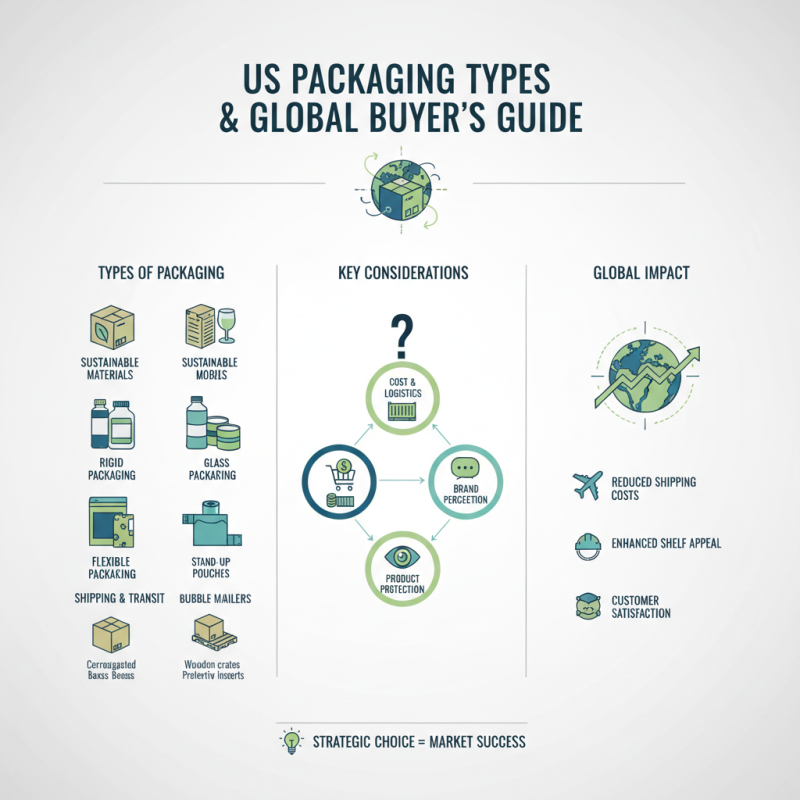
US packaging offers a variety of types, each tailored for specific needs. From sustainable materials to innovative designs, there are numerous factors to consider. The choice of packaging can affect shipping costs, shelf appeal, and even customer satisfaction. This can be a daunting task, especially for those who are new to the global market.
Choosing the right packaging can reflect a brand's values and commitment to quality. However, it also requires careful analysis and introspection. Some buyers may overlook the significance of packaging in their strategy. This can lead to missed opportunities or increased expenses. Ultimately, an informed decision in US packaging can distinguish a product in a competitive landscape.
Types of Packaging Used in the US Market
When exploring packaging types in the US market, it's essential to consider various materials. Common options include plastic, glass, metal, and paper. Each type serves a specific purpose based on the product and target audience. For instance, plastic is lightweight and versatile, making it suitable for food and household items. Glass, on the other hand, offers a premium feel and is often used for beverages and cosmetics.
Sustainability is a growing concern. Many brands opt for eco-friendly packaging, such as biodegradable materials or recycled products. This choice not only appeals to environmentally-conscious consumers but also enhances brand reputation. However, balancing sustainability with cost and functionality remains a challenge for many companies.
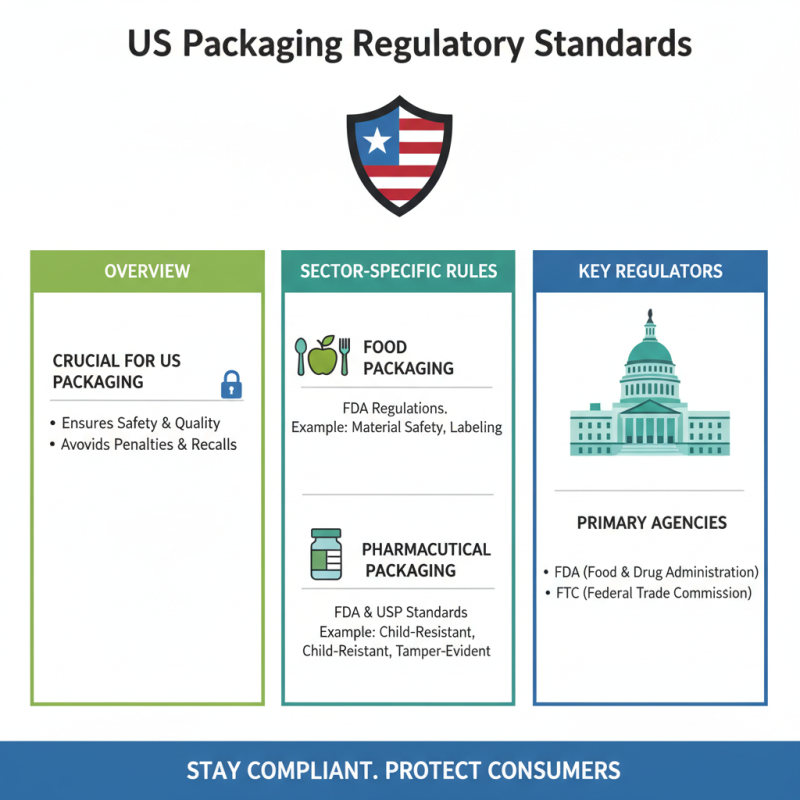
Understanding regulations is crucial. The US packaging industry adheres to strict guidelines to ensure safety and compliance. Packaging must protect the product adequately while providing necessary information to the consumer. Some businesses struggle to keep up with changing regulations. Remaining informed and adaptable is vital for success in this dynamic market.
Key Factors to Consider When Choosing Packaging
Choosing the right packaging is crucial for global buyers. It impacts product safety, branding, and logistics. Various packaging types are available, including rigid, flexible, and semi-rigid options. Each type has distinct advantages and disadvantages. Rigid packaging offers durability, while flexible options can reduce weight and shipping costs. Consider the product’s nature when selecting materials.
A key factor is sustainability. Eco-friendly packaging has gained importance. Many buyers now prefer recyclable materials. Research shows that consumers are willing to pay more for sustainable options. However, finding the right balance between cost and sustainability can be challenging. It’s essential to explore local regulations regarding packaging waste to ensure compliance.
Quality is another crucial consideration. Packaging must protect products during transit. Poor quality can lead to damaged goods and dissatisfied customers. Test packaging prototypes to assess their performance. While aesthetic appeal matters, functionality should not be overlooked. It can be tempting to focus on visuals, but practicality must come first. Therefore, careful evaluation is necessary for effective choices.
What is US Packaging Types and How to Choose for Global Buyers - Key Factors to Consider When Choosing Packaging
| Packaging Type |
Material |
Common Uses |
Sustainability |
Cost Efficiency |
| Paperboard |
Recycled paper |
Cereal boxes, takeout containers |
Highly recyclable |
Low cost |
| Plastic |
PET, HDPE |
Bottles, bags |
Limited recyclability |
Moderate cost |
| Glass |
Soda-lime, borosilicate |
Beverages, jars |
Highly recyclable |
High cost |
| Metal |
Aluminum, tin |
Cans, containers |
Recyclable |
Moderate cost |
| Flexible Packaging |
Plastic, laminates |
Snacks, pouches |
Varies by material |
Cost-effective |
Comparison of Packaging Materials: Cost, Durability, and Sustainability
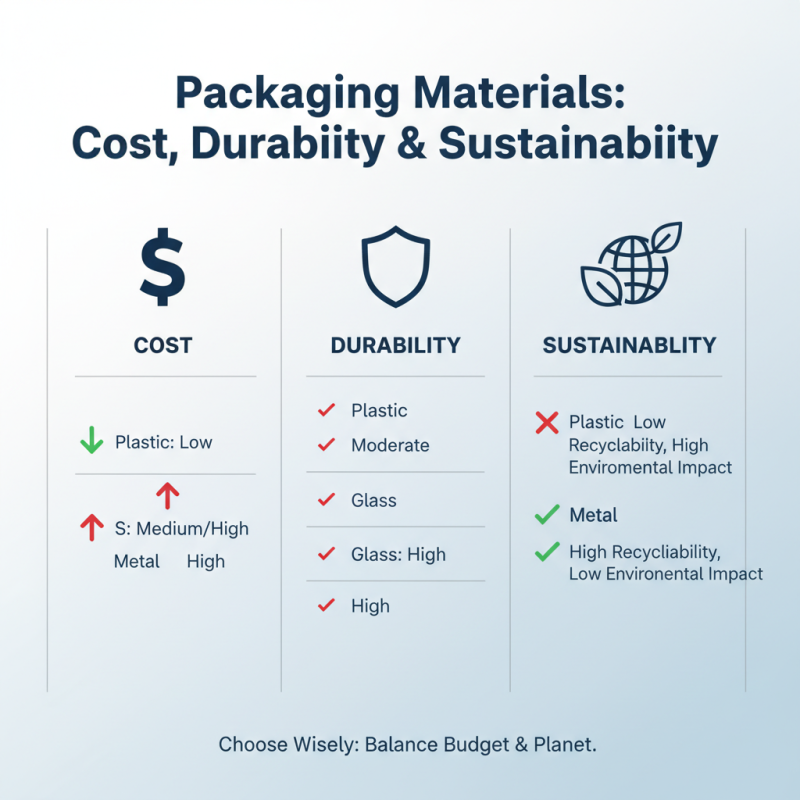
When selecting packaging materials, cost, durability, and sustainability are crucial factors. The choice of material can greatly impact the overall budget and environmental footprint of a product. For instance, plastic is often the most cost-effective option but raises serious sustainability concerns. In contrast, glass and metal packaging may be pricier, yet they offer better durability and recyclability.
Durability is another essential aspect. Packaging needs to protect products during transport and storage. Cardboard boxes may be lighter and cheaper, but they might not withstand moisture or heavy stacking. Choosing materials that balance cost and durability can be challenging but necessary to reduce damage rates.
Sustainability plays a vital role in modern packaging decisions. Many consumers prefer eco-friendly options made from renewable resources. Biodegradable materials are gaining popularity but can be more expensive. While it's tempting to opt for cheaper materials, businesses should consider long-term impacts on customer trust and brand loyalty. Identifying the right packaging solution requires ongoing evaluation and adjustments.
Tips for Selecting Packaging for Global Distribution and Buyer Preferences
When selecting packaging for global distribution, consider the preferences of your target buyers. Different cultures have unique expectations related to packaging aesthetics and functionality. For example, some regions prefer minimalistic designs, while others may favor vibrant colors. Understanding these preferences can greatly impact your product's success.
Material choice is another critical factor. Eco-friendly packaging is increasingly important as consumers worldwide prioritize sustainability. Biodegradable and recyclable materials often resonate well with buyers. However, balancing these preferences with practicality is essential. Packaging must protect products during transit while meeting environmental goals.
Lastly, keep in mind the complexities of international shipping. Regulations vary by country, affecting packaging specifications. Compliance with local laws can prevent costly delays. Effective packaging design is a blend of creativity, functionality, and regulatory awareness. Reflecting on these factors can lead to more informed decisions and ultimately benefit your business.
US Packaging Types and Global Buyer Preferences