10 Useful Tips for Choosing the Best Stock Boxes for Your Needs?
Choosing the right stock boxes can greatly impact your storage and organization. Whether you need them for moving, filing, or archiving, selecting the best option is crucial. Stock boxes come in various sizes, materials, and designs, making the decision somewhat overwhelming.
When evaluating stock boxes, consider what you will store. Different items require different types of boxes for protection. For example, fragile items may need sturdier packaging, while documents may simply need lightweight options. Quality is essential; a poorly made box can lead to damage and disappointment. Your choices reflect your needs and personal touch.
Stock boxes can also influence your workflow and efficiency. Using well-chosen boxes will save you time during retrieval and organization tasks. However, many overlook their importance in enhancing productivity. Reflecting on your past choices can reveal areas for improvement. Your awareness of these factors will lead to better decisions in the future.
Understanding Different Types of Stock Boxes Available in the Market
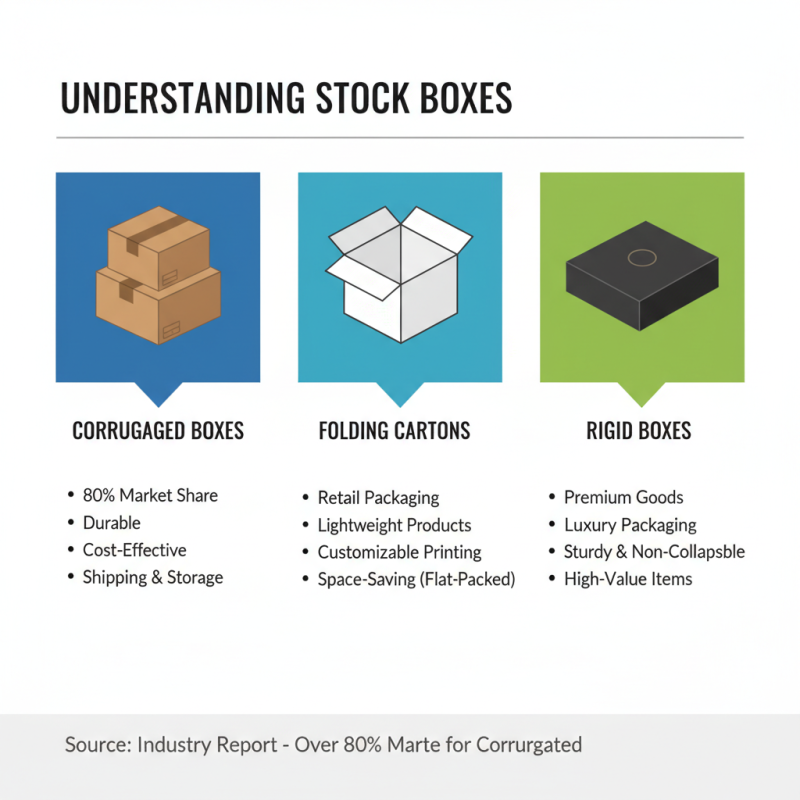
When selecting stock boxes, understanding the types available is crucial. There are mainly three types: corrugated, folding, and rigid boxes. Each type serves different purposes and can affect storage efficiency. According to a recent industry report, corrugated boxes account for over 80% of the market due to their durability and cost-effectiveness. These factors make them a popular choice among businesses.
Folding boxes offer another viable option. They are lightweight and easy to store when not in use. However, they may not provide sufficient protection for fragile items. Rigid boxes, though less common, are ideal for high-value products. Their sturdy construction ensures that the contents remain safe during transportation. Yet, they can be more expensive than the alternatives, which may be a concern for some buyers.
It's essential to evaluate how each type aligns with your specific needs. Consider factors like the weight of the items you plan to store, space limitations, and budget considerations. Understanding the strengths and weaknesses of different stock boxes can lead to better decision-making. Yet, it's important to remember that no box is perfect for every situation. Reflecting on your requirements can help you choose wisely.
Key Factors to Consider: Size, Material, and Design of Stock Boxes
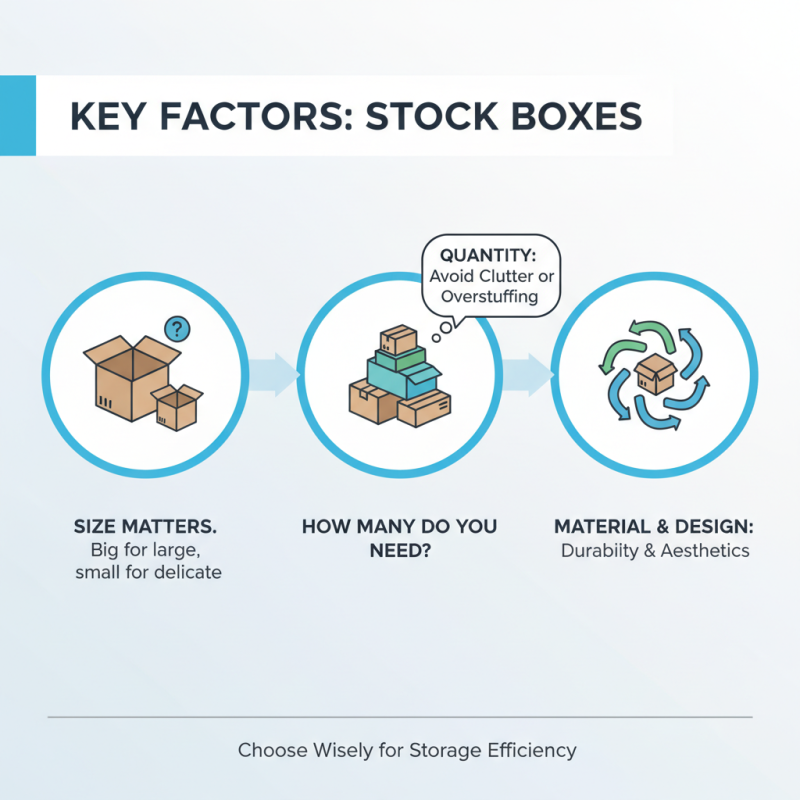
When choosing stock boxes, size is a crucial factor. You need to determine what you plan to store. If it’s larger items, opt for bigger boxes. For small, delicate items, smaller boxes work better. Consider how many boxes you need. Too many can clutter your space. Too few might lead to overstuffing.
Material also plays a significant role. Cardboard is lightweight and economical, but not very durable. Plastic, however, offers better protection. It’s more durable and water-resistant. Think about whether you will store items indoors or outdoors. The environment can affect your choice of material.
Design can impact usability. Look for boxes that are easy to stack and open. Some boxes have handles for better maneuverability. Visually appealing designs may also help you identify contents easily. Reflect on your organization style. Sometimes, practicality trumps aesthetics, but a balance is key.
Evaluating Your Storage Needs: Capacity and Weight Limitations
When evaluating storage needs for stock boxes, capacity and weight limitations are crucial factors. Reliable sources suggest that nearly 40% of consumers overlook these specifics when selecting storage solutions. Understanding your items' dimensions can prevent overloading and potential damage. A box that appears spacious may not always accommodate heavy materials effectively.
Research indicates that a substantial portion of storage mishaps arises from inadequate weight assessments. For instance, boxes exceeding weight limits can collapse, risking injury or loss. Many standard stock boxes typically support a range of 30 to 65 pounds. Knowing your load requirements is vital for safety. Additionally, lighter boxes can facilitate easier handling, yet they may fall short for heavy items.
It’s worth noting that assessing your needs involves more than just numbers. Consider the nature of your items. Fragile items require sturdy boxes, while lighter goods benefit from less rigid options. Balancing weight capacity and box durability while maintaining an organic fit for all items often presents a challenge. Taking time to reflect on how you use your storage will yield smarter choices.
Storage Capacity and Weight Limitations of Stock Boxes
Cost Analysis: Budgeting for Quality and Durability in Stock Boxes
When selecting stock boxes, budgeting is crucial. High-quality boxes may have a higher upfront cost, but they save money in the long run. For instance, boxes that resist wear and tear do not need to be replaced as often. This is especially important for businesses that rely on shipping. A thorough cost analysis should consider not just the initial price but also durability and reliability.
Choose boxes made from robust materials. These can handle weight better and provide better protection for contents. Consider your storage environment, too. Moisture or temperature changes can impact the longevity of stock boxes. Investing in suitable options may seem expensive at first, but it pays off over time.
Reflect on your actual needs. Are you shipping sensitive items or heavier products? Adjust your choices based on specific requirements. Sometimes, lower-cost options may appear attractive but can lead to increased expenses later. Balancing cost and quality is key. An effective strategy is to collect testimonials or reviews on box performance, which can inform purchase decisions.
Sustainability Considerations: Eco-Friendly Options for Stock Boxes
When choosing stock boxes, sustainability should be a top priority. Eco-friendly materials are gaining popularity due to their lower environmental impact. Look for boxes made from recycled paper or biodegradable materials. These options reduce landfill waste and carbon footprint.
Many businesses overlook the importance of sustainable packaging. Some may find it challenging to balance durability and eco-friendliness. It is crucial to assess the trade-offs. Strong, reusable boxes may involve a higher initial cost but save money in the long run. Opt for options that offer both resilience and sustainability.
Consider sourcing local materials. This practice supports the local economy and reduces transportation emissions. Additionally, many suppliers now offer eco-friendly certifications. They ensure that the products meet certain environmental standards. Research these options carefully. Make informed choices that reflect your commitment to sustainability.
10 Useful Tips for Choosing the Best Stock Boxes for Your Needs
| Tip |
Description |
Eco-Friendly Option |
| 1. Assess Your Needs |
Consider the size, weight, and type of items you need to store. |
Recycled cardboard boxes |
| 2. Check for Durability |
Ensure the box can withstand handling and storage conditions. |
Biodegradable materials |
| 3. Look for Customization |
Choose boxes that can be customized for branding or size. |
Eco-printing with vegetable inks |
| 4. Size Matters |
Select the right size to minimize wasted space. |
Compact, stackable designs |
| 5. Consider the Weight |
Choose lightweight options for easy handling. |
Lightweight composite materials |
| 6. Review the Closure Type |
Decide between tape, glue, or foldable closures. |
Natural adhesive options |
| 7. Think About Storage |
Determine how and where the boxes will be stored. |
Easily recyclable structures |
| 8. Evaluate Cost |
Find a balance between quality and pricing. |
Affordable sustainable sourcing |
| 9. Research Suppliers |
Look for reputable suppliers with positive reviews. |
Sourcing from green-certified companies |
| 10. Think Long Term |
Choose boxes that suit long-term usage to reduce waste. |
Reusable containers |