What Is Business Packaging and Why Is It Important?
Business packaging is the physical system that protects, identifies, and presents products during storage, shipping, and sale. It may include a corrugated box, molded insert, label, tape, pallet, or protective sleeve. Each component has a practical purpose. A strong package prevents crushing, moisture damage, contamination, and confusing product information. It also helps businesses create a consistent customer experience.
In real operations, packaging decisions affect more than appearance. Warehouse teams consider stacking strength and handling speed. Designers examine dimensions, materials, printing quality, and opening behavior. Procurement managers compare cost, availability, and supplier reliability. Regulatory and industry guidance also influence labeling, recycling claims, and product safety. These details can determine whether an order arrives cleanly or returns with visible damage.
Small details matter. A poorly fitted insert may let a product move inside the carton. Excess material can raise shipping costs and create unnecessary waste. On the other hand, packaging that is too light may fail during delivery. There is no perfect solution for every product. Businesses must balance protection, presentation, efficiency, sustainability, and budget. That balance explains why business packaging deserves careful planning rather than a last-minute purchase. This article explores its meaning, main functions, business value, and practical considerations. It also questions common assumptions, because attractive packaging is not always effective packaging. Reliable results come from testing, measured feedback, and continuous improvement.
Definition and Core Elements of Business Packaging
Business packaging is the planned way a company presents, protects, and delivers an offer to customers. It includes the product container, but also pricing, instructions, service promises, and the delivery experience. It starts with purpose. A useful package answers three practical questions: What is included? Who is it for? Why should it feel trustworthy? In a small food business, this may mean a sealed box, a clear ingredient label, and a reliable pickup time. The package is the promise made visible.
Its core elements begin with audience and function. A package should match the buyer’s needs, budget, habits, and level of knowledge. Design covers size, materials, color, readability, and physical protection. Operational details matter just as much, including stock levels, shipping conditions, return handling, and staff instructions. If one piece fails, customers may experience the entire business as unreliable. Small details matter. A crushed corner or missing guide can damage confidence quickly.
Strong business packaging also needs accurate information and measurable standards. Teams can test opening time, damage rates, complaint patterns, and repeat purchases before changing the format. Simple packaging often performs better when workers can use it consistently. However, convenience for the company may create waste or confusion for customers. That trade-off deserves honest review. Even a carefully designed package can fail in rain, rushed hands, or a crowded storeroom.
Types of Packaging Used Across Different Businesses
What Is Business Packaging and Why Is It Important?
Business packaging is the system that protects, presents, stores, and moves commercial products. Its design changes with the business model, product weight, delivery route, and customer expectations. A bakery may need grease-resistant paper boxes. An electronics supplier may require molded protection and anti-static materials. A subscription business often depends on lightweight, easy-open shipping cartons.
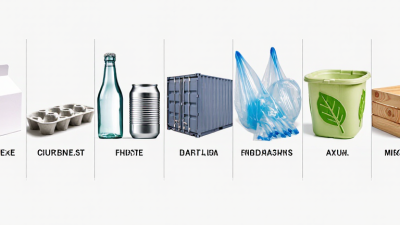
Different industries use distinct packaging formats. Corrugated boxes handle warehouse transport and online orders. Folding cartons suit retail shelves and product information. Flexible pouches reduce material weight for food, personal care, and household goods. Glass, metal, and rigid plastic containers offer stronger barriers against moisture, oxygen, or impact. Reusable crates support manufacturers moving goods between facilities. Labels also matter. They carry instructions, batch details, handling warnings, and traceability information.
The U.S. Environmental Protection Agency reported that containers and packaging generated 82.2 million tons of municipal solid waste in 2018, representing 28.1% of the total. That figure shows why material selection deserves more than visual attention. The International Organization for Standardization also provides packaging and environmental guidance, while ISTA testing methods help businesses evaluate vibration, drops, compression, and shipping stress. A package can look efficient yet fail after a rough delivery.
Practical testing often exposes weak corners, excessive filler, or confusing opening designs. This choice is not always perfect. Teams may overpack expensive products because damage feels riskier than waste. Still, measuring product protection, material use, labor, and customer handling gives packaging decisions greater credibility.
How Business Packaging Supports Branding and Customer Experience
Business packaging is more than a container. It is a physical touchpoint between a company and its customer. In a few seconds, a box can communicate care, quality, and purpose. A clear logo, consistent colors, and readable instructions strengthen brand recognition. The unboxing experience also affects customer confidence. A 2019 Dotcom Distribution survey reported that 40% of consumers were more likely to purchase from retailers offering premium packaging. That moment matters.
Effective packaging supports the entire customer journey. It should protect the product, open without frustration, and provide useful information. Small details can feel surprisingly personal, such as a neatly printed thank-you card or a resealable inner pouch. McKinsey’s 2020 global consumer survey found that 60% to 70% of respondents would pay more for sustainable packaging. However, sustainability claims need evidence. Vague language can damage credibility faster than plain packaging.
In practical packaging audits, unnecessary empty space often appears first. It increases shipping volume and makes the product feel poorly considered. A smaller, well-fitted package can reduce material use and create a better first impression. Yet attractive packaging is not always effective packaging. Glossy finishes may look premium but create recycling challenges. I still question whether every decorative feature serves the customer. Packaging should make the product easier to understand, handle, store, and remember. Details carry weight.
What Is Business Packaging and Why Is It Important?
How Business Packaging Supports Branding and Customer Experience
Packaging can influence customer experience beyond product protection. Survey findings indicate that premium, gift-like, and branded packaging may encourage repeat purchases and increase customers’ willingness to share their unboxing experience.
Data shown are percentages of surveyed consumers. Source: 2021 Unboxing Experience Study, consumer survey.
Key Factors in Designing Effective Business Packaging
Business packaging is more than a container. It protects goods, communicates value, and shapes the customer’s first physical experience. Effective design begins with the product’s size, weight, fragility, and storage conditions. A glass item needs cushioning and firm internal spacing. A powder product may need a reliable seal and moisture protection.
Clarity matters. Packaging should show essential information quickly, including product details, handling guidance, and opening instructions. Use readable type, strong contrast, and practical labeling. Customers should not need special tools or excessive force. Small details matter. A secure tab can prevent spills, while a textured surface can improve grip. Designers should also consider transport, stacking, and warehouse handling before approving a final structure.
Material choices require honest evaluation. Recycled content can reduce environmental impact, but it may affect strength, cost, or appearance. Lightweight packaging is useful, yet reducing material too far can cause damage and returns. That trade-off deserves testing, not assumptions. Create prototypes and test drops, compression, moisture, and repeated handling. Ask real users to open the package. Their confusion may reveal flaws that a design team misses. Packaging should also support efficient production, consistent sizing, and reasonable disposal. A visually impressive package can still be wasteful or difficult to use. My own preference is to measure performance after launch, then revise the design when evidence challenges the original plan.