How to Choose the Right Paperboard Boxes for Your Business Needs?
Choosing the right paperboard boxes is crucial for any business. These boxes play a vital role in packaging and shipping products. However, many companies overlook their importance. Selecting the perfect boxes can enhance brand image and reduce costs. It can also improve customer satisfaction.
Consider the size and shape of the products you plan to package. Customization may be necessary to ensure a snug fit and protection during transport. Lightweight options are available, helping to lower shipping costs. Yet, don’t compromise on durability. The last thing you want is damaged goods.
Think about your business’s sustainability goals. Eco-friendly paperboard boxes are becoming popular. They serve as a selling point, attracting environmentally conscious customers. Reflect on your choices. Are you investing wisely? Observing market trends can provide insights. Ultimately, investing in the right paperboard boxes is a step towards responsible business practices.
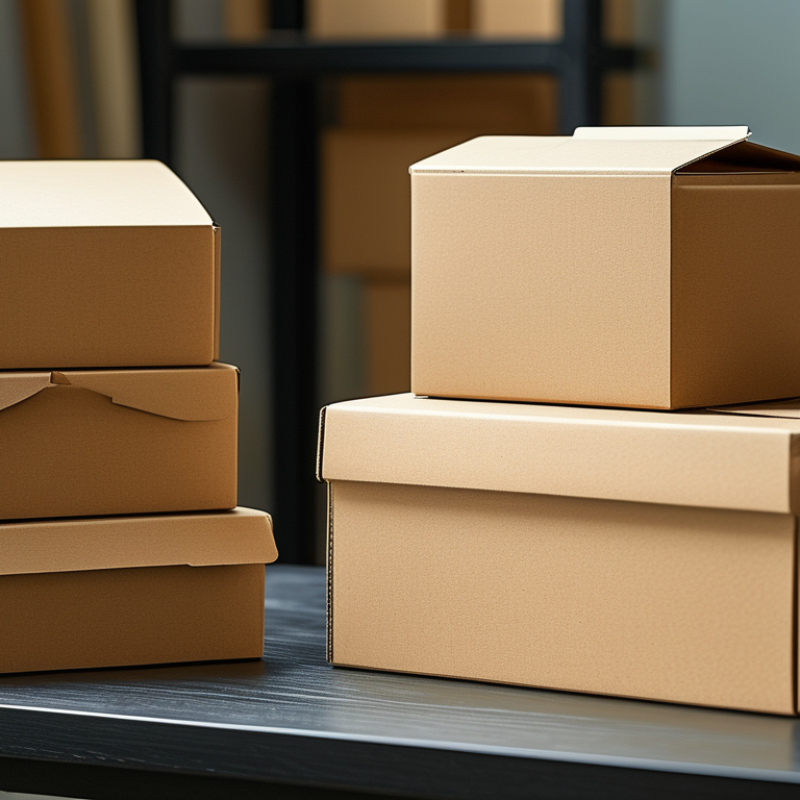
Understanding Different Types of Paperboard Boxes Available
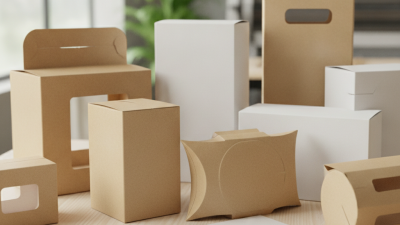
When selecting paperboard boxes, it's essential to understand the variations available. The two main types are
regular slotted containers (RSC) and die-cut boxes.
RSC boxes are highly versatile. They are commonly used across multiple industries. According to a report by
Smithers Pira, RSC boxes account for about 60% of the total
paperboard box market share. Their efficiency in shipping makes them a preferred choice.
Die-cut boxes offer customization. They can be tailored to specific product shapes,
enhancing customer appeal. For example, if a brand wants a unique packaging solution, die-cut options allow for this creativity.
Research indicates that customized packaging can increase sales by up to 30% due to improved
presentation and branding. However, businesses should weigh the additional costs for these customizations against the expected return.
Another option is folding cartons. These boxes are often used for retail products. They are robust yet
lightweight. A study by Packaging Dynamics shows that folding cartons
comprise 25% of the paperboard market. However, some products may require sturdier packaging. Thus, businesses
must evaluate the specific needs of their products and consider potential risks associated with inadequate packaging solutions.
Evaluating the Weight and Durability Requirements for Your Products
When selecting paperboard boxes, weight and durability are crucial. Industry reports indicate that 30% of products are damaged during shipping due to inadequate packaging. This statistic highlights the importance of sturdy materials. Each product requires a specific weight tolerance to ensure protection, which directly links to the box's design and construction.
Evaluate the types of products you carry. Heavier items, like electronics, need thicker paperboard with higher tensile strength. A study from the Packaging Association reveals that boxes with a burst strength of at least 200 lbs are recommended for such items. Lighter products might not require such robust materials. However, it’s essential to avoid underestimating their needs. Insufficient packaging can lead to returns and loss of customer trust.
Consider environmental factors too. Humidity can weaken paperboard, affecting its durability. Reports show that about 20% of returns are due to packaging failure in humid conditions. Review your supply chain and storage conditions. Make informed decisions about the paperboard you choose. Being proactive can save costs and improve customer satisfaction. Experiment with different options to find the right balance between weight tolerance and durability.
Assessing Size and Dimension Needs for Optimal Packaging
When selecting paperboard boxes, understanding size and dimension is crucial. According to a recent industry report, incorrect packaging can lead to a 25% increase in shipping costs. Accurate measurements ensure that products fit snugly, reducing damage during transit and saving money. Miscalculating box size may result in wasted space or excessive packing materials.
It’s essential to assess the dimensions of your products carefully. Consider not only width and height but also weight. Heavier items require sturdier boxes. In the U.S., approximately 30% of packaging waste stems from oversized containers. This highlights the need for optimal sizing.
Custom box dimensions offer flexibility, but they come at a cost. A recent survey indicated that businesses may overlook the benefits of tailored sizes, often opting for standard dimensions instead. This one-size-fits-all approach can lead to inefficiencies. Reflecting on your current choices can lead to better decision-making and enhanced sustainability in packaging.
How to Choose the Right Paperboard Boxes for Your Business Needs? - Assessing Size and Dimension Needs for Optimal Packaging
| Box Type |
Dimensions (L x W x H) |
Weight Capacity (lbs) |
Suitable For |
Typical Uses |
| Regular Slotted Container (RSC) |
12 x 12 x 12 inches |
30 |
General Merchandise |
Retail packaging, Shipping |
| Die-Cut Box |
10 x 10 x 5 inches |
25 |
Gift Items |
Gift boxes, Specialty items |
| Half-Slotted Container (HSC) |
14 x 10 x 8 inches |
35 |
Food Products |
Bakery items, Packaged foods |
| Tuck End Box |
8 x 4 x 2 inches |
15 |
Cosmetics |
Cosmetic packaging, Small gifts |
| Full Overlap Slotted Container (FOL) |
16 x 12 x 10 inches |
50 |
Heavy Items |
Industrial products, Automotive parts |
Considering Custom Printing and Branding Options on Paperboard Boxes
Custom printing and branding on paperboard boxes can significantly enhance your business's visibility. Current trends show that nearly 70% of consumers recognize a brand through its packaging alone. This highlights the importance of distinctive designs. When choosing paperboard boxes, consider how your logo and branding elements will be displayed. Printed boxes not only enhance aesthetics but also convey your brand message.
Research indicates that 40% of consumers say they would share a picture of branded packaging on social media. This statistic underscores the potential for increased engagement and reach through custom designs. Think about color schemes, typography, and imagery that resonate with your target audience. However, it’s crucial to balance creativity with legibility. A cluttered design can confuse rather than attract customers.
Printing techniques matter too. Flexographic and digital printing are popular choices in the industry. Flexography is ideal for large runs and offers vibrant colors. Digital printing allows for personalization and smaller quantities, catering to niche markets. Reflect on your specific needs. High-quality print can increase cost, but the return on investment can be worthwhile. Prioritize what makes your brand stand out while staying within budget constraints.
Cost Analysis: Budgeting for Paperboard Boxes and Supplier Selection
When budgeting for paperboard boxes, it's essential to understand the associated costs. Industry reports indicate that the demand for paperboard packaging is projected to grow due to its sustainability. In 2022, the global paperboard box market was valued at approximately $50 billion and is expected to expand at a CAGR of 5% through 2030. Allocating the right budget for these materials is crucial for businesses.
Consider the total cost of ownership, including shipping and storage. Quality paperboard boxes may have a higher upfront cost, but they can reduce damage during transit, which saves money in the long run. When selecting a supplier, evaluate their reliability and sustainability practices. Reports show that companies prioritize eco-friendly options, reflecting a shift toward responsible sourcing.
Tips: Always request samples before committing. This helps gauge quality. Be wary of suppliers that undercut prices significantly; they may compromise quality. Communicate your needs clearly to avoid misunderstandings. Engaging with multiple suppliers can reveal varying pricing structures, helping you make informed choices.