10 Essential Tips for Effective Carton Packaging Design?

Carton packaging plays a crucial role in product presentation and protection. Effective design ensures that goods arrive safely at their destination while grabbing consumers' attention. The right carton design can influence purchasing decisions and enhance brand perception.

To achieve successful carton packaging, several factors must be considered. The choice of materials, structural integrity, and visual design can make or break a packaging solution. Consumers increasingly seek sustainable options, pushing brands to innovate in their carton design. However, it's essential to balance aesthetics with functionality.

Reflecting on common pitfalls can be insightful. Many overlook the importance of testing designs under real conditions. Others may ignore consumer preferences, leading to ineffective packaging. Understanding these aspects can lead to better carton packaging solutions that truly resonate with the market.

10 Essential Tips for Effective Carton Packaging Design?

Understanding the Importance of Carton Packaging Design in Retail

Carton packaging design plays a crucial role in retail. It is much more than just a container for products. Effective designs can appeal to customers and enhance their shopping experience. Many consumers decide which products to buy based on packaging. Thus, understanding its importance is vital for brands.

One essential tip is to prioritize functionality. Packaging must protect the product during transit and shelf display. A carton that easily opens but secures its contents can truly stand out. Clarity in design is key. Consumers should quickly understand what the product is and its benefits. Engaging visuals can help, but they should not overpower essential information.

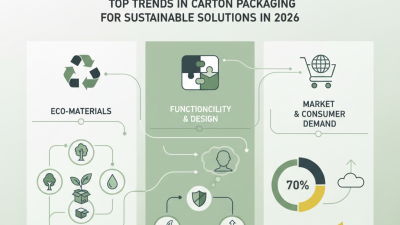
Another point to consider is sustainability. Eco-friendly packaging resonates with modern consumers. Using recyclable materials can attract environmentally conscious shoppers. However, brands must strike a balance. Overemphasizing sustainability may lead to added costs. Always evaluate the long-term benefits versus immediate savings. As the market evolves, packaging designs must adapt to consumer preferences and trends.

10 Essential Tips for Effective Carton Packaging Design

Tip Number Tip Description Importance Example
1 Choose the right material for durability Ensures product protection during transit Using corrugated cardboard
2 Incorporate branding elements Enhances brand recognition Custom logos and colors
3 Design for ease of opening Improves customer experience Using perforated openings
4 Optimize for shipping efficiency Reduces shipping costs Right sizing for minimal empty space
5 Include clear labeling and instructions Facilitates handling and usage Printed handling symbols
6 Utilize sustainable materials Appeals to eco-conscious consumers Recyclable or biodegradable materials
7 Incorporate security features Prevents tampering Tamper-evident seals
8 Test package performance Ensures reliability in delivery Drop and compression tests
9 Provide product visibility Attracts customer attention Windowed packaging
10 Gather feedback for continuous improvement Enhances future design strategies Customer surveys and reviews

Key Principles of Effective Carton Packaging for Brand Visibility

Effective carton packaging plays a crucial role in enhancing brand visibility. A well-designed carton not only protects the product but also communicates the brand's identity. Consider your target audience when designing. Knowing their preferences can help tailor your design.

Utilize bold colors and distinct graphics. These elements catch the eye and differentiate your product on crowded shelves. Incorporate the brand logo prominently. This fosters brand recognition and loyalty over time. Simplicity can be powerful. Avoid clutter to ensure your message shines through.

Don’t overlook the packaging material. The right choice can affect not just appearance, but also perception of quality. Eco-friendly materials are increasingly popular. They reflect a brand's values and attract conscious consumers. However, striking the right balance is vital. Premium materials may enhance appeal, but they can impact costs and sustainability efforts. Test different designs with focus groups to gather feedback and refine your approach.

10 Essential Tips for Effective Carton Packaging Design

This chart illustrates the importance of various factors in carton packaging design for enhancing brand visibility. Each factor is rated based on its significance in a scale from 1 to 10.

Material Selection: Balancing Sustainability and Durability in Carton Design

Material selection is a critical component in carton packaging design. Balancing sustainability and durability can be challenging. According to a 2022 survey by Smithers Pira, 74% of consumers prefer eco-friendly packaging. Yet, packaging failure can lead to shipping damages and increased costs.

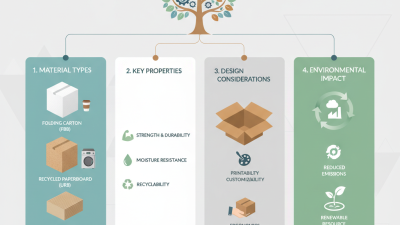
Opting for recycled materials is one approach. These materials often reduce environmental impact. However, they may not always offer the necessary strength. For heavier products, consider using multi-layer cartons. This provides enhanced protection without compromising sustainability. A well-designed carton can meet both expectations.

Effective tips include evaluating the weight of your products. Lightweight materials might be suitable for less fragile items. Incorporating design elements like structural flutes can enhance durability. And always conduct drop tests to ensure your design holds up. These methods may help you find the right materials without unnecessary compromises. Remember, the goal is to design packaging that protects while respecting our planet.

The Role of Dimensions and Structural Integrity in Packaging Performance

Packaging design is crucial for ensuring product safety and consumer satisfaction. The dimensions of a carton directly affect how well a product is protected. According to a 2020 report by Smithers Pira, over 30% of damages during transport are related to inadequate packaging. This figure highlights the importance of precise measurements in developing effective cartons. Properly defined dimensions can prevent unnecessary movement within the box, reducing the risk of damage.

Structural integrity is equally vital in packaging performance. A well-designed carton must withstand stacking and compressive forces during shipping and storage. The Fiber Box Association states that up to 40% of packaging failures stem from structural inadequacies. Companies must consider material strength and design features like flutes and corner reinforcement. Fluted designs can enhance the strength of cartons, enabling them to handle heavier loads without collapse.

There is a constant need for improvement in packaging practices. Many designs may look good but may lack functional strength. Testing various configurations can help identify weaknesses. A carton that is too large can allow products to shift, while one that is too tight may result in damage. Balancing aesthetics and functionality is an ongoing challenge in the industry. Striking the right dimensions and ensuring robust structural design can significantly influence both performance and customer experience.

Consumer Psychology: How Packaging Influences Purchase Decisions and Behavior

Packaging is more than a protective layer; it directly influences consumer behavior. A study by the Paper and Packaging Board found that 72% of consumers form an opinion about a product based solely on its packaging. Effective design can capture attention and provoke an emotional response. The colors, shapes, and materials used can impact perceptions of quality and value.

For instance, research published in the Journal of Consumer Psychology reveals that vibrant colors can increase memory and brand association. Specific palettes, like green and brown, convey eco-friendliness. However, simplistic packaging sometimes leads to confusion. Brands must strike a balance, ensuring clarity while standing out.

Furthermore, a 2021 report by Nielsen indicated that 64% of consumers are likely to switch brands if they perceive the packaging is bad. The evolving preferences of consumers must be considered. Exploring minimalist designs could be beneficial. Ultimately, packaging design requires testing and reflection. An appealing design is not always the most effective.

Scroll to Top