Best Tips for Choosing Corrugated Packaging Solutions?
In the dynamic world of shipping and logistics, corrugated packaging has emerged as a crucial component. Industry reports show that the global corrugated packaging market size was valued at over $200 billion in 2023. This growth reflects the increasing demand for sustainable and efficient packaging solutions. Businesses are shifting towards corrugated materials due to their lightweight nature and recyclability.
Choosing the right corrugated packaging solution is not purely a mathematical exercise. While cost is significant, factors like durability, design, and environmental impact must also be considered. Over 70% of consumers prefer brands that use eco-friendly packaging. This shift influences purchasing decisions, emphasizing the need for businesses to align their packaging choices with consumer values.
However, not all corrugated options are created equal. Businesses may overlook potential flaws in their packaging, such as poor moisture resistance or inadequate cushioning. This oversight can lead to damaged products and dissatisfied customers. Evaluating supplier reliability is also vital to ensure consistent quality. A well-informed choice in corrugated packaging can enhance both brand reputation and customer satisfaction.

Understanding Corrugated Packaging and Its Benefits
Understanding corrugated packaging is essential for modern businesses. This material is versatile and offers protection for a variety of products. According to industry reports, the global corrugated packaging market is expected to reach $350 billion by 2025. Such growth highlights its demand in sectors like food, electronics, and cosmetics. Corrugated boxes are strong yet lightweight, making them ideal for shipping.
One significant benefit of corrugated packaging is its eco-friendliness. Over 80% of corrugated materials are sourced from recycled content. This reduces waste and promotes sustainability. Additionally, corrugated packaging provides cost-effective solutions for shipping. Its durability ensures products are delivered without damage, cutting down on replacement costs.
When choosing the right corrugated packaging, consider these tips: assess the weight and fragility of your products to select the right thickness. Evaluate the environmental impact of your packaging choices. Work with suppliers who prioritize sustainability. Regularly revisit your packaging needs; trends and technologies evolve quickly. Remember, a good choice today may not serve your future needs well.
Key Factors to Consider When Choosing Corrugated Packaging
When selecting corrugated packaging, several critical factors come into play. The strength of the material is essential. Reports indicate that 70% of products shipped in corrugated boxes arrive undamaged. This robustness is vital for protecting items during transit. Choosing the right flute size is another crucial aspect. A larger flute offers better cushioning, which could reduce damage to fragile goods.
Sustainability is increasingly significant in packaging decisions. Approximately 77% of consumers prefer brands that use eco-friendly materials. Opting for recyclable or biodegradable corrugated options can enhance a brand's image while meeting consumer preferences. It's important to consider the entire lifecycle of the packaging. Transport costs can also impact the choice. Lightweight materials can lower shipping expenses, which is beneficial for businesses.
The printing options available on corrugated packaging allow for branding and information display. About 50% of buyers say packaging design influences their purchase decisions. However, not all designs translate well into reality. Overly complex designs might increase production costs without a corresponding benefit. Balancing aesthetics with cost-effectiveness requires careful thought. This reflective approach can lead to smarter packaging solutions that do not compromise functionality or appeal.
Best Tips for Choosing Corrugated Packaging Solutions
Exploring Different Types of Corrugated Packaging Solutions
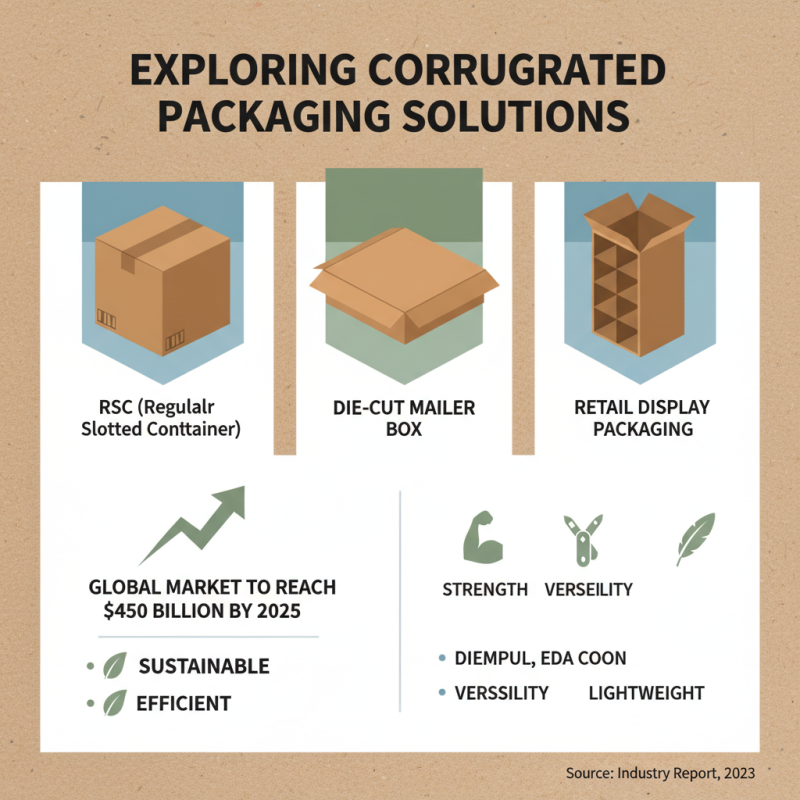
When exploring different types of corrugated packaging solutions, it's essential to consider a variety of factors. Corrugated boxes offer strength, versatility, and lightweight properties. According to a recent report, the global corrugated packaging market is projected to reach $450 billion by 2025. This growth highlights the increasing demand for sustainable and efficient packaging.
One popular type is single-wall corrugated boxes. These are suitable for lightweight products. They provide protection during transport while remaining cost-effective. However, they may not be the best option for fragile items. On the other hand, double-wall corrugated boxes offer added durability. They are ideal for heavy or delicate goods. A notable statistic indicates that 70% of e-commerce businesses prefer double-wall packaging to ensure product safety.
Another option is corrugated trays. They are often used for display purposes. These trays can enhance product visibility and attract consumer attention. However, not all products may fit perfectly in a tray. Customization is necessary, which can add to production time and costs. This complexity highlights the importance of choosing the right packaging solution for your specific needs. Expertise and thorough research play critical roles in this process.
How to Evaluate Quality and Durability in Corrugated Products
When evaluating quality and durability in corrugated packaging products, consider several key factors. The material’s resilience is crucial. High-quality corrugated packaging should withstand various environmental stresses, ensuring it protects the items inside. Look for double or triple-wall configurations for increased strength. These structures provide extra cushioning and impact resistance, which is vital during transport.
Additionally, testing the resistance to moisture and humidity is essential. Packaging that can endure harsh conditions helps prevent damage to the contents. You might also want to review its edge crush test (ECT) rating. This rating indicates how much weight the packaging can bear without collapsing. Higher ECT numbers typically represent better durability.
Pay attention to the manufacturing process as well. Reliable corrugated products often involve stringent quality control measures. Manufacturers should provide detailed specifications about their materials and processes. Engaging with suppliers who are transparent about their production standards can ensure you’re choosing a robust solution. Relying on reviews and feedback from users may highlight hidden issues with certain products, leading to better decision-making.
Cost-Effectiveness and Environmental Impact of Corrugated Packaging
When considering corrugated packaging, cost-effectiveness and environmental impact should be your focal points. Corrugated packaging is lightweight yet sturdy, lowering shipping costs. Its recyclable nature reduces landfill waste, making it an eco-friendly choice. Companies often overlook the long-term benefits of sustainable materials. Choosing corrugated packaging not only showcases corporate responsibility but can also enhance brand image.
Selecting the right corrugated solution requires careful thought. Consider the thickness and durability based on your product’s needs. A fragile item requires sturdier material, while lightweight products can use thinner options. Evaluate suppliers for quality and reliability; not all producers offer the same standards. Testing prototypes can prevent costly mistakes down the line.
Cost factors are crucial. While upfront costs matter, consider future expenses. Reusable corrugated solutions can reduce waste and costs over time. Environmental considerations also impact consumer preferences. Packaging that is eco-friendly can attract more customers. Many consumers are willing to pay more for sustainable options. However, balancing budget and sustainability requires reflection and strategy.