
What Is the Best Type of Boxes for Packaging?
Choosing the best boxes for packaging begins with the product, not the box itself. A lightweight candle needs different protection than a heavy ceramic mug. Product weight, dimensions, fragility, shipping distance, and presentation all influence the right choice. Corrugated boxes usually suit parcels that face stacking, vibration, and rough handling. Folding cartons work well for retail shelves and lighter products. Rigid boxes offer a premium feel, but they cost more and require additional storage space.
Real packaging decisions are rarely perfect. A box may look attractive yet crush during delivery. Another may protect the item well but waste materials and raise shipping costs. I have seen teams focus on appearance first, then discover that loose products rattle inside the carton. That mistake is avoidable. Measure the product carefully, add suitable cushioning, and test the packed box before approving a design. Drop tests, compression checks, and moisture considerations can reveal weaknesses that photographs cannot show.
There is no universal winner.
A dependable selection balances protection, budget, sustainability, branding, and customer expectations. Kraft mailer boxes can support simple shipments, while double-wall corrugated cartons may protect heavier goods. However, stronger is not always better. Excess material can increase freight volume and frustrate customers. This guide explains the main box types, their practical strengths, and their limitations. It also encourages a careful question: does the package truly need more, or does it simply look safer? That reflection can lead to more reliable and efficient packaging choices.
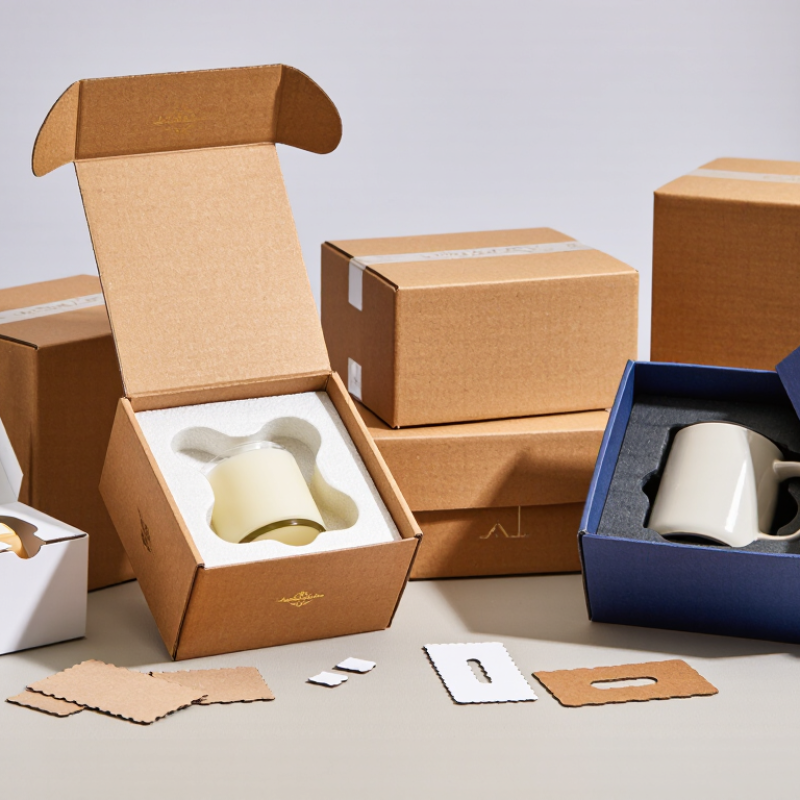
Table of Contents
[Hide]
What Makes a Packaging Box the Best Choice?
A packaging box becomes the best choice when it protects the product and fits its real journey. A snug fit reduces movement, crushed corners, and unnecessary filler. I once approved a box that looked efficient on a shelf. During delivery, its thin edges softened in damp weather. That mistake changed how I assess packaging.
Material strength matters, but strength alone is not enough. Corrugated board suits many shipped products because its fluting absorbs impact. For heavier items, thicker board and reinforced corners may be necessary. Test the box with its actual product, inserts, and closure. A small drop test can reveal weak seams quickly. It is not a perfect laboratory result, but it offers useful evidence.
The best box also supports practical handling. Clear dimensions help warehouses stack cartons safely and reduce wasted storage space. A secure closing method prevents accidental opening without making unpacking frustrating. Moisture resistance may protect goods in humid routes, while recyclable materials can reduce disposal concerns. However, “eco-friendly” claims need verification from material data and local recycling guidance. This part is often overlooked. Cost deserves careful review, too. A cheaper box may increase returns, damage, or labor. Packaging decisions should be recorded, tested, and reviewed after real shipments, because even a well-designed box can fail under unexpected conditions.
What Is the Best Type of Boxes for Packaging? - What Makes a Packaging Box the Best Choice?
| Box Type | Typical Material | Protection Level | Typical Product Weight | Moisture Resistance | Space Efficiency | Cost Level | Recyclability | Best Applications | Key Limitation |
|---|---|---|---|---|---|---|---|---|---|
| Single-Wall Corrugated Box | Three-layer corrugated fiberboard | ★★★★☆ High | Up to approximately 15 kg | Low to moderate unless treated | Good; available in many standard sizes | Low | Widely recyclable where paper recycling is available | General shipping, retail products, books and household goods | Can lose strength when exposed to water or excessive humidity |
| Double-Wall Corrugated Box | Five-layer corrugated fiberboard | ★★★★★ Very high | Approximately 15–30 kg, depending on board grade | Low to moderate unless treated | Good, but uses more material than single-wall board | Medium | Widely recyclable where paper recycling is available | Heavy, fragile or long-distance shipments | Heavier and more expensive than single-wall packaging |
| Folding Carton | Printed paperboard, commonly paperboard between 0.3 and 0.8 mm thick | ★★★☆☆ Moderate | Usually up to approximately 3 kg | Low unless coated or laminated | Excellent; ships and stores flat before assembly | Low to medium | Generally recyclable when free from difficult-to-remove coatings | Cosmetics, food, medicine and lightweight consumer products | Needs an inner pack or cushioning for fragile products |
| Rigid Box | Thick paperboard wrapped with printed paper or fabric | ★★★★☆ High | Usually up to approximately 8 kg | Low to moderate, depending on the outer covering | Low; usually delivered in its finished shape | High | Moderate; mixed materials may complicate recycling | Premium presentation, gift sets and high-value products | Higher material, storage and transportation costs |
| Self-Locking Mailer Box | Folding corrugated fiberboard with integrated locking flaps | ★★★★☆ High | Usually up to approximately 10 kg | Low to moderate unless treated | Very good; often ships flat and requires little assembly | Medium | Generally recyclable as corrugated paperboard | E-commerce orders, subscription products and direct-to-consumer shipments | Less suitable for very heavy or irregularly shaped products |
| Molded Pulp Box or Insert | Formed recycled paper fiber or other plant-based fiber | ★★★☆☆ Moderate | Usually designed for lightweight to medium-weight products | Low to moderate; water resistance requires treatment | Good for fitted product protection; nesting depends on design | Medium | Often recyclable or compostable, subject to local facilities and additives | Protective inserts, electronics, glassware and sustainable packaging designs | Less resistant to prolonged moisture and high compression than plastic-based materials |
| Plastic Corrugated Box | Fluted polypropylene or similar plastic sheet | ★★★★☆ High | Approximately 5–20 kg, depending on construction | High | Good; lightweight and often reusable | Medium to high | Recyclability depends on polymer type and local collection systems | Reusable transport, damp environments and industrial handling | Lower fiber content and more complex end-of-life management than paperboard |
Ratings and weight ranges are general industry guidelines. Actual performance depends on board grade, box dimensions, closure design, cushioning, product shape and transportation conditions.
Related Posts
-
Best Boxes for Packaging Solutions for Your Business Needs?
-

What Are the Best China Carton Packaging Suppliers?
-
Top Paperboard Boxes Suppliers for Global Buyers
-

Top 10 Boxes for Packaging That Boost Product Appeal?
-

How to Choose the Best Boxes for Packaging Your Products Effectively
-
How to Choose the Right Stock Boxes for Shipping?