Why Are Folding Cartons the Best Packaging Choice?

Folding cartons are familiar, but their design involves more than folding a sheet of paperboard around a product. A carton must protect its contents, communicate clearly on a crowded shelf, and work smoothly through filling, shipping, and opening. Small details matter: a secure tuck flap, crisp printed type, or reinforced corner can change how a package performs in real use. The material also matters. Paperboard grades, coatings, and structural choices affect strength, appearance, and end-of-life options.

That balance helps explain why folding cartons remain a practical choice across food, personal care, and consumer goods. They can be tailored to different shapes, printed with detailed graphics, and shipped flat before assembly. Still, no format is best for every product. Moisture, weight, transport conditions, and local recycling access can all influence the decision. A carton that looks elegant but fails during handling is not a good solution.

A verified quotation from a named folding-carton industry expert would strengthen this introduction, but no source was provided. Rather than inventing an attribution, this outline uses a guiding principle: “Good packaging protects the product, serves the customer, and uses materials thoughtfully.” The sections ahead examine protection, design flexibility, cost, and sustainability—along with the trade-offs brands should consider before choosing folding cartons.

Why Are Folding Cartons the Best Packaging Choice?

What Are Folding Cartons and How Are They Made?

Folding cartons are paperboard packages shipped flat and assembled around a product. Their light weight and printable surfaces suit items such as cereal boxes, cosmetics, and small electronics. Production starts with paperboard, chosen for stiffness, surface finish, and the carton’s expected load. Printers apply graphics, then cutting dies shape each blank and press crease lines for clean folds. Selected panels are glued, leaving cartons ready to ship flat or erect.

The process is precise, but small choices matter. Board that is too thin may buckle; heavy coatings can complicate recycling. In its 2022 industry report, the American Forest & Paper Association reported that 68% of paper consumed in the United States was recycled. That figure covers paper overall, not folding cartons alone. It offers useful context, but it should not be treated as a carton-specific recycling rate. A carton’s actual recyclability depends on its materials, coatings, local collection, and sorting systems.

Tips: Match board stiffness to product weight, and test a filled carton for corner crush and crease cracking. Ask whether windows, laminates, or moisture barriers are necessary. They can improve performance, but may make material recovery less straightforward. Sometimes the simplest structure works best.

Which Materials and Structures Are Used in Folding Cartons?

Folding cartons are usually made from paperboard, a thicker and stiffer material than ordinary paper. Common choices include coated paperboard for crisp printing, uncoated board for a natural feel, and recycled board for added recovered fiber. Each option behaves differently during printing, folding, and handling. A carton holding a small glass jar may need more stiffness than one for a lightweight paper item. Small details matter. Board thickness, surface finish, and grain direction can affect how neatly the carton folds and how well it protects its contents.

The structure should match the product and packing process. Straight-tuck and reverse-tuck cartons use folding end flaps and suit many lightweight products. A crash-lock bottom can help support heavier contents, while a sleeve slides over an inner tray for a layered presentation. Die-cut windows offer a view inside, but they may reduce protection and add material choices to consider. A glossy finish can look polished, yet it is not automatically the better option; coatings may affect recycling routes, depending on their composition and local facilities. There is no single ideal design.

Tips: Ask a converter for a sample made with the proposed board and folds. Fill it with the actual product, then check whether corners hold, panels crease cleanly, and the carton closes without forcing. A quick hand test can reveal issues that a flat mock-up misses.

Why Are Folding Cartons the Best Packaging Choice? - Which Materials and Structures Are Used in Folding Cartons?

Material Typical Characteristics Common Carton Structures Typical Applications Key Advantages Considerations
Solid bleached sulfate (SBS) paperboard Made primarily from bleached chemical pulp; typically has a smooth, bright surface and a consistent appearance through the sheet. Straight-tuck-end cartons, reverse-tuck-end cartons, sleeves, and window cartons. Cosmetics, personal care, pharmaceuticals, and premium food packaging. Offers a clean printing surface, good folding performance, and a polished presentation. Usually costs more than many recycled-board options. Suitability for direct food contact depends on the grade and applicable requirements.
Folding boxboard (FBB) Multilayer board commonly made with mechanical pulp in the middle and chemical-pulp layers on the surfaces; designed to combine stiffness with relatively low weight. Reverse-tuck-end cartons, auto-bottom cartons, sleeves, and multi-panel cartons. Food, confectionery, household products, and personal-care goods. Good stiffness-to-weight performance and printable outer surfaces make it a versatile choice for many retail packs. Board construction and performance vary by grade. Moisture-sensitive contents may require a suitable barrier or separate inner packaging.
Recycled paperboard Contains recovered paper fibers; the board may have a gray or otherwise less uniform core, depending on its construction and grade. Straight-tuck-end cartons, reverse-tuck-end cartons, sleeves, and folding trays. Dry goods, household products, and other applications where the selected grade meets product requirements. Uses recovered fiber and can be an economical option for a wide range of secondary packaging. Appearance, strength, and cleanliness vary by grade. It may not be suitable for direct food contact unless specifically designed and approved for that use.
Unbleached kraft paperboard Made with unbleached kraft fibers, giving it a natural brown appearance; some grades use additional layers or coatings. Reverse-tuck-end cartons, auto-bottom cartons, sleeves, and cartons with simple tuck closures. Natural-positioned products, dry foods, personal-care items, and general retail packaging. Provides a natural visual style and can offer useful strength for everyday packaging applications. The brown surface affects color reproduction. Barrier performance depends on the board grade and any added coating or lining.
Coated paperboard Paperboard with a surface coating selected to improve print appearance or provide specific functional properties. Tuck-end cartons, sleeves, and cartons requiring a printed or coated surface. Retail products that need enhanced graphics or, with a suitable coating, added resistance to moisture or grease. Can improve surface appearance and may provide a functional barrier when the coating is designed for that purpose. Coatings can affect repulpability and recyclability. Check local recycling guidance and the coating’s food-contact suitability where relevant.
Paperboard with a separate inner liner or insert A folding carton is paired with an inner bag, tray, or liner selected to provide product containment or additional protection. Tuck-end cartons, sleeves, and cartons with an internal tray or fitment. Products needing separation, added containment, or protection beyond what the carton alone provides. Combines a printable outer carton with an inner component selected for the product’s needs. Multiple components can make packing and material separation more involved. Choose compatible materials and check the requirements of the specific product.

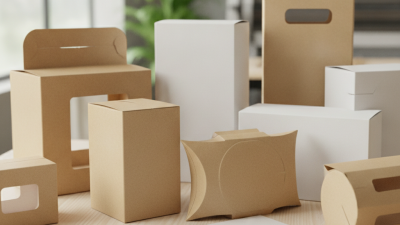
Common folding-carton structures include straight-tuck-end and reverse-tuck-end cartons, which close with tuck flaps; auto-bottom cartons, which have a pre-glued base that opens into shape; and sleeves, which slide over a product or inner tray. The most suitable material and structure depend on product weight, protection needs, printing requirements, filling method, and local recycling systems.

How Do Folding Cartons Support Product Protection and Branding?

Folding cartons can protect products while keeping them easy to display and handle. Their scored panels form a snug outer shell, helping prevent scuffs, dust, and minor impacts during storage and shipping. A well-fitted insert can hold a small bottle or device steady, rather than letting it knock against the carton walls. Fit matters. Too much empty space invites movement; an overly tight fit can make opening frustrating.

The same panels give brands useful space to communicate. Clear product information, color, and typography can remain visible on a retail shelf without adding a separate label. A matte surface feels quieter in the hand, while a gloss finish catches light around a product image. Small details count: clean folds, readable type, and colors that stay consistent across panels. Printing alone cannot fix confusing packaging, though.

Protection depends on the full design, not just the board. Carton strength, closure style, product weight, and shipping conditions all affect performance. For example, a carton tested on a shop shelf may behave differently in a damp delivery area. Sample runs and transit tests can reveal weak corners or seams before larger production. Folding cartons are not indestructible, and some products need extra cushioning or moisture protection. It is easy to overlook that until a package arrives with a crushed edge.

Why Are Folding Cartons the Best Packaging Choice?

How Do Folding Cartons Support Product Protection and Branding?

Why it matters: Folding cartons can be designed to fit products, help protect them during handling, and provide printable panels for clear product information and visual branding.

The chart provides sustainability context, not a measure of carton protection or branding performance. The U.S. Environmental Protection Agency reported an 80.9% recycling rate for paper and paperboard containers and packaging in 2018; the 19.1% figure is calculated as the remainder. This broad category is not specific to folding cartons.

Source: U.S. EPA, Paper and Paperboard Materials-Specific Data

What Benefits Make Folding Cartons a Practical Packaging Choice?

Folding cartons make storage and handling simpler for many everyday products. They ship flat, so warehouses can store more unassembled packs in less space. They fold into shape quickly, whether packed by hand or on a production line. They fold flat. That saves space.

A carton can hold a product securely while leaving room for clear instructions, product details, and simple graphics. Creases and tuck-in flaps help create a tidy closure without adding bulky parts. For a shop worker, cartons are easy to stack and face forward on a shelf. For customers, the package can open without scissors in many cases. Small details matter.

Material choice also affects cost and environmental impact. Paperboard is lightweight, and some cartons can enter local paper recycling streams when they are clean and accepted by local facilities. Coatings, windows, and attached components may change that. Not every product fits. A heavy or moisture-sensitive item may need added protection, which can reduce the carton’s practical advantage. Testing a filled carton through shipping and shelf handling is sensible, though it can expose design flaws late if testing begins too close to launch. A well-sized carton often avoids wasted space, but the best choice depends on the product, distribution route, and packing process.

Which Products and Industries Commonly Use Folding Cartons?

Folding cartons are widely used for products that need tidy shelves, clear labeling, and practical handling. In food retail, they hold cereal, tea, crackers, frozen meals, and confectionery. A carton can keep a product grouped while leaving room for ingredient details and preparation instructions. For refrigerated or frozen goods, the board, coating, and closure should suit the storage conditions. Paperboard alone is not a moisture barrier.

Personal-care and household goods are another familiar fit. Cartons package soap, toothpaste, skincare tubes, small cleaning tools, and replacement filters. Their flat panels provide space for directions, warnings, and product information. In health and wellness retail, cartons often contain non-prescription items such as bandages or vitamins. The package must protect the contents and present information legibly; exact requirements vary by product.

Electronics accessories, toys, stationery, and small home goods also use folding cartons. A shaped insert can stop a charger or set of pens from shifting during transit. Still, cartons are not ideal for every item. Heavy or fragile products may need stronger packaging, and damp storage can weaken paperboard. A packaging team typically checks the product’s weight, dimensions, handling, and display needs before choosing a carton style. Sometimes the simplest carton needs an insert.

Scroll to Top